



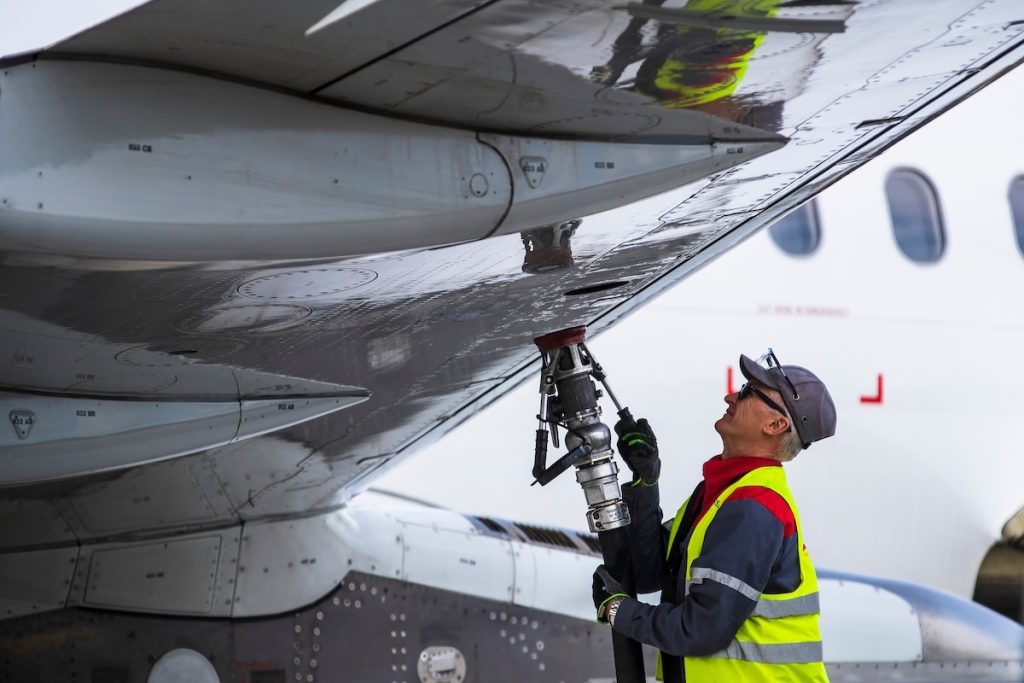
The International Air Transport Association (IATA) warned that global production of sustainable aviation fuel (SAF) grew during 2025, albeit at a significantly slower pace than initially anticipated, due to the absence of effective public policies that encourage its industrial scaling and reduce costs for airlines.
According to new estimates published by IATA, global SAF production reached 1.9 million tons in 2025, equivalent to approximately 2.4 billion liters, which is almost double the volume produced in 2024, when nearly 1 million tons were recorded.
However, this growth fails to offset the downward revision from previous projections, which estimated production at close to 2 million tons.
Despite the year-on-year increase, IATA stresses that SAF will only account for around 0.6% of total aviation fuel consumption in 2025, a figure that is still marginal compared to the sector’s climate targets.
Mandates with No Incentives
According to the association, the downward revision in projections is mainly due to the “lack of adequate political support to fully leverage the installed SAF production capacity.”
In particular, IATA questions the design of the mandatory mandates recently implemented in the European Union and the United Kingdom, which require the use of increasing minimum percentages of sustainable fuels in aviation.
While these regulations seek to accelerate the energy transition of the aviation sector, IATA argues that, in practice, they have created market distortions that raise SAF prices and slow down new investments.
Currently, the price of sustainable fuel exceeds that of fossil jet fuel by an average factor of two, and can be up to five times higher in markets where mandatory mandates exist, according to the organization’s data.
As a direct consequence, IATA estimates that by 2025, airlines will have incurred an additional cost of approximately $2.9 billion associated with the purchase of SAF under these regulatory schemes.
Slower Growth towards 2026
The scenario does not improve substantially in the short term either. By 2026, IATA projects that SAF production will reach 2.4 million tons, representing just 0.8% of global aviation fuel consumption.
This slowdown in the growth rate reinforces the industry’s concerns about the feasibility of meeting the decarbonization commitments made for the next decade.
Willie Walsh, IATA’s Director General, was particularly critical of the current regulatory approach. He noted that if the goal of the mandates was to slow progress and increase costs, “policy makers have been extraordinarily effective.”
He also warned that if the real goal is to increase SAF production to advance the decarbonization of aviation, it will be necessary to urgently rethink the design of these policies and work in coordination with the airline industry.
Airlines’ Climate Commitments
IATA warns that the lack of real acceleration in SAF production could have direct consequences on the sector’s climate commitments.
Willie Walsh warned that many airlines that have committed to using 10% SAF by 2030 may be forced to revise or adjust their targets, simply because the fuel is not being produced in the volumes needed to support those goals.
From the organization’s perspective, the problem is not technological or industrial, but fundamentally one of public policy design.
In the European case, Walsh argued that regulatory fragmentation between countries distorts markets, discourages investment, and undermines efforts to scale up SAF production efficiently.
A Key Debate for Latin America
Although IATA‘s warnings focus on Europe, the message has direct implications for Latin America and other emerging markets.
The region has high potential for SAF production, thanks to the availability of biomass, agricultural residues, and expanding industrial capacities.
However, experts agree that the development of this market will require coherent regulatory frameworks, clear economic incentives, and public-private partnership schemes that avoid replicating mistakes seen in other regions.
In a global context where aviation faces growing environmental demands, IATA’s call raises a central challenge: without well-designed policies that balance climate ambition, competitiveness, and clear signals for investment, sustainable aviation fuel risks advancing too slowly to fulfill its role in the sector’s energy transition.
Platform for the Mobility of the Future
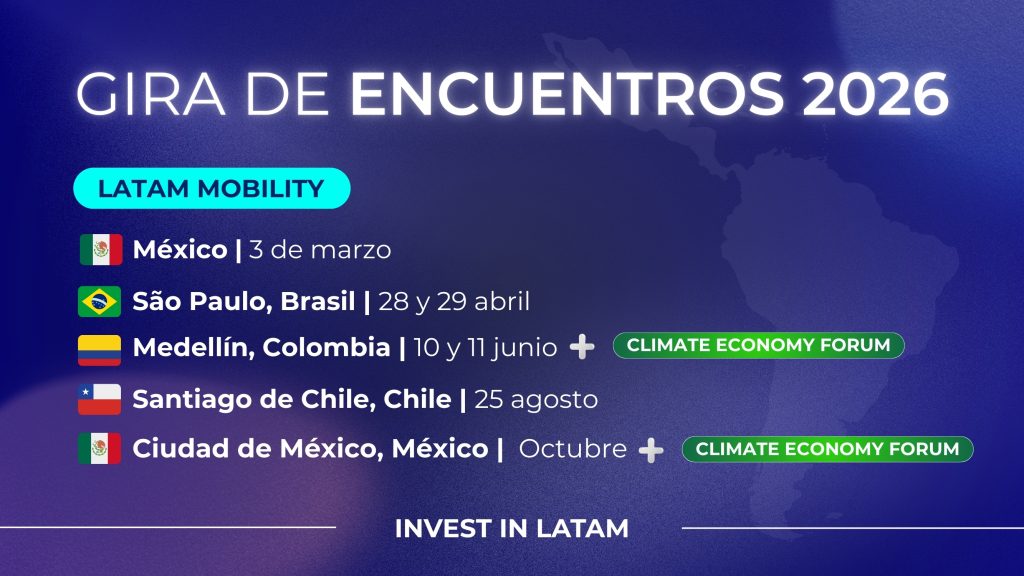
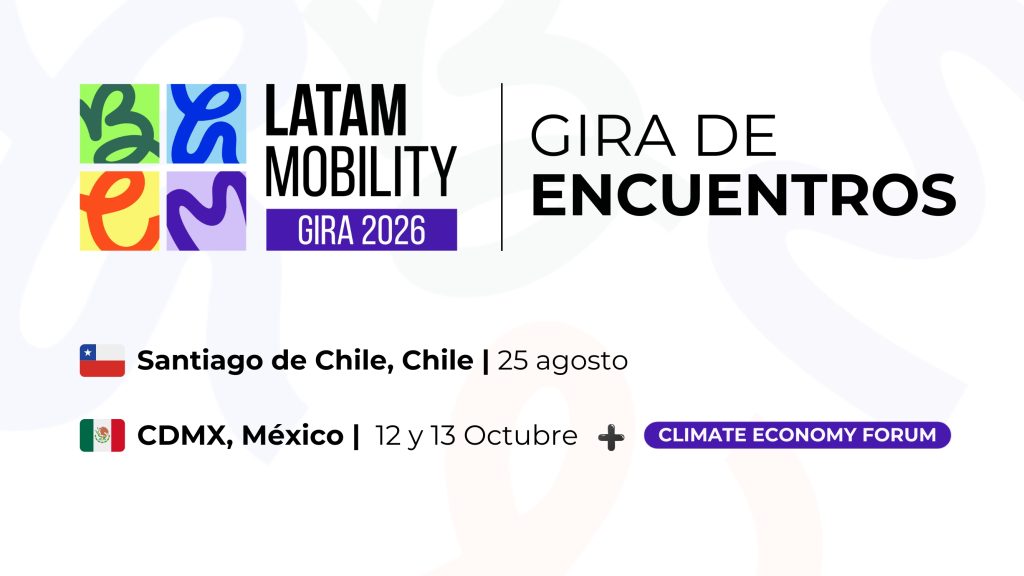
With the 2026 Tour, Latam Mobility reaffirms its commitment to building a regional agenda that connects vision, public policy, innovation, and the market.
Through its stops in Monterrey and Mexico City, Brazil, Colombia, and Chile, the platform will continue to promote a collaborative approach to accelerate the transition to cleaner, more efficient, and more inclusive transportation systems, positioning Latin America as a relevant player in sustainable mobility at the global level.
Be part of the movement that is accelerating Latin America’s energy and urban transformation. If you would like to learn more about how to participate and positioning options, click here.