


Mexico closed 2025 with unprecedented figures in the adoption of low-emission technologies in the automotive sector
According to data from industry specialists and market analysis, electric and hybrid vehicles accounted for 9.5% of all new car sales in the country during 2025, marking a historic milestone in the evolution of the Mexican vehicle fleet towards more sustainable and efficient options.
This share includes both fully electric vehicles (EVs) and hybrid and plug-in hybrid units (HEVs and PHEVs), consolidating itself as a key indicator of the transition to clean technologies in land transportation.
You may also be interested in | Autel Energy drives the new generation of chargers with AI, interoperability, and V2G solutions
Sustained Growth of the Electrified Segment
The upward trend in electrified vehicles in Mexico has remained constant for several years, driven by factors such as the increased availability of models with low-emission technologies, growing consumer interest in reducing operating costs, and the expansion of charging infrastructure in the country.
The 9.5% share of total sales achieved in 2025 represents the highest proportion reported so far in the recent history of the national automotive sector and highlights the acceleration of electric mobility compared to traditional combustion vehicles.
Although fully electric vehicles have experienced significant growth, most of the electrified market share corresponds to hybrid vehicles, which combine an internal combustion engine with electric systems, offering an attractive balance between efficiency and practicality in the face of current charging infrastructure challenges.
Hybrids accounted for the largest share of this market, approaching leadership within the electrified segment due to their lower operating costs and better adaptation to current conditions in the country.
Best-selling Models
According to various market analyses and industry reports, hybrids have clearly led the segment’s growth, which is also reflected in consumer preference for options that combine energy efficiency and range adapted to the country’s available charging infrastructure.
Toyota has stood out as one of the leading brands in electrification, with a wide range of hybrid electric vehicles that have captured the attention of the domestic market. During 2025, Toyota Mexico reported a cumulative total of more than 200,000 hybrid electric units sold since the introduction of its first models, including iconic names such as the Toyota Prius, Corolla HEV, Corolla Cross HEV, RAV4 HEV, and Yaris Sedan HEV, among others in its electrified portfolio.
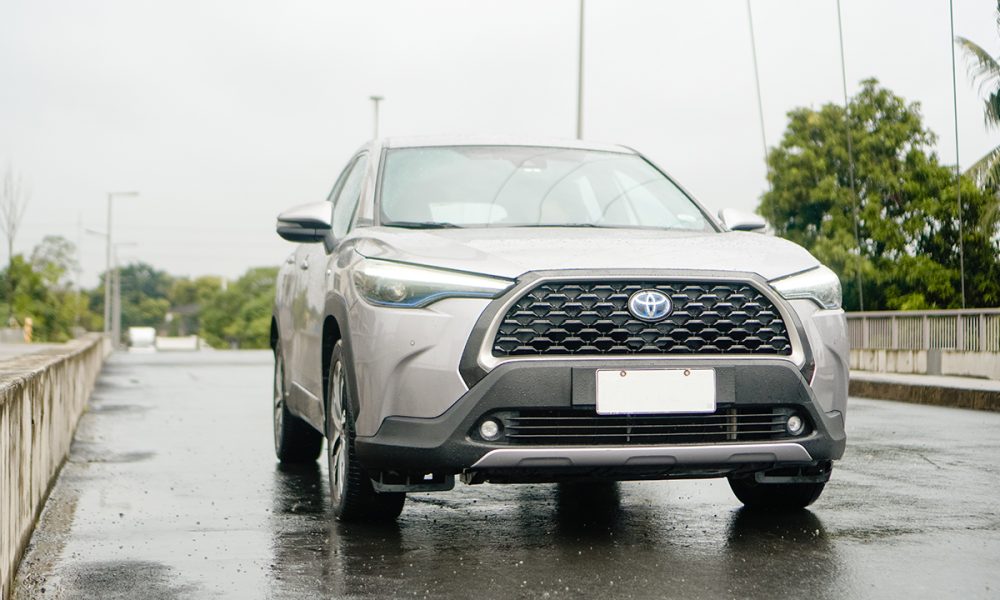
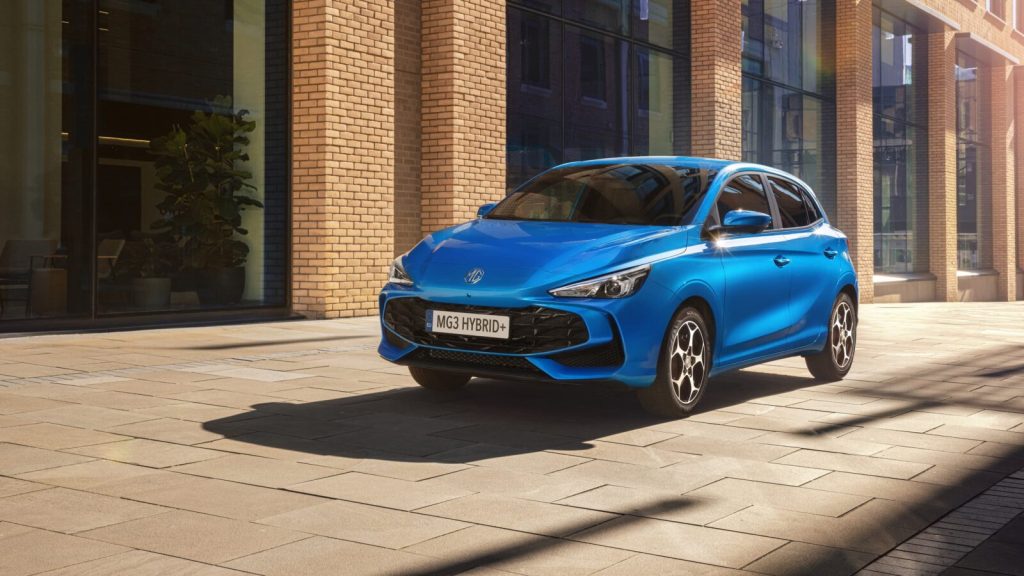
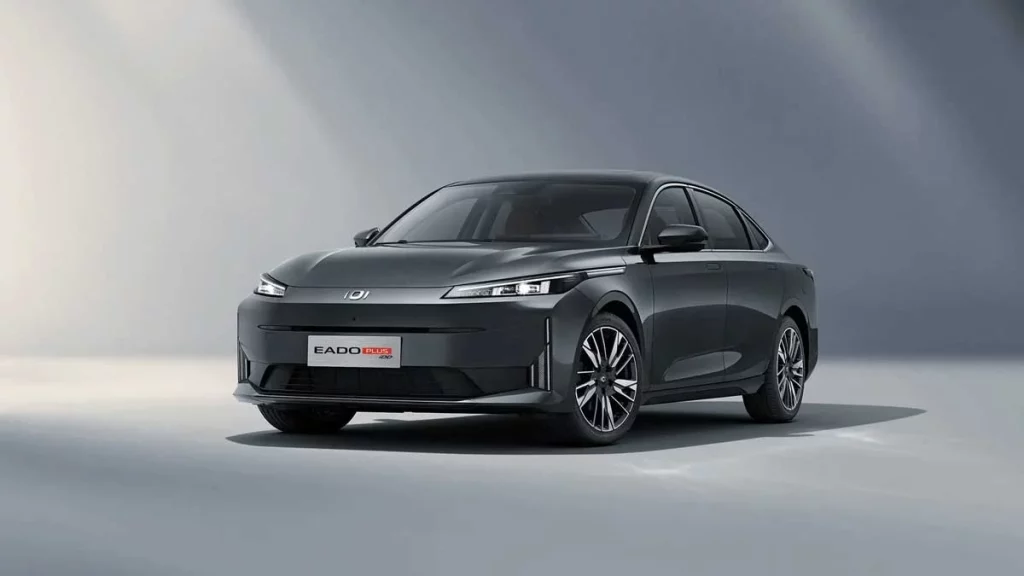
In addition to Toyota, other brands have contributed to the growth of the hybrid segment in Mexico with affordable and competitive models in their respective niches. For example, Luz Noticias highlighted vehicles such as the MG3 Hybrid, as well as the Changan Eado Plus iDD 2026 and the BYD King DM-i, plug-in hybrids that offer significant electric range and attractive options.
The presence of these models reflects a wide range of electrified technologies, ranging from traditional hybrids (HEVs) to plug-in hybrids (PHEVs) with extended range in 100% electric mode.
Factors Driving Adoption in Mexico
The increase in the market share of electric and hybrid vehicles is due to multiple converging causes in the national context. Key components include greater availability of models from manufacturers, specific incentives offered in some states or regions, and growing environmental awareness among Mexican consumers.
In addition, the push for charging infrastructure, both in urban areas and interurban corridors, has begun to bear fruit, reducing the so-called “range anxiety” that has historically limited the adoption of pure electric vehicles.
The growth of this segment has also had a positive impact on the domestic automotive industry in terms of production and supply chain, with an increase in the manufacture of hybrid and electric vehicles in plants located in Mexico.
This contributes not only to the domestic market but also to strengthening the country’s export position in advanced and sustainable automotive technologies.
Outlook and Challenges
Although the figure of 9.5% is a historic record, analysts agree that there are many challenges to continuing to increase the share of electrified vehicles. These include the need to significantly expand the public charging infrastructure network, promote broader and more sustained tax incentives, and deepen technical training in services and maintenance for electric and hybrid vehicles.
These elements are considered essential to maintaining the growth trend and moving toward more ambitious goals in emissions reduction and sustainable mobility.
The increase in the share of electrified vehicles in Mexico has not only economic implications for the automotive industry, but also environmental and social ones.
A greater number of vehicles with low-emission technologies directly contributes to the reduction of polluting gases and the improvement of air quality in the country’s most densely populated urban areas, while positioning Mexico as a relevant player in the global transition towards more sustainable transportation systems.
This achievement is the result of the convergence between the supply of electrified products by automotive brands, growing consumer interest, and efforts to expand the infrastructure necessary for more widespread adoption of these technologies.
2026: Moving Towards Electric Mobility
Rather than ambitious announcements, 2026 will be a year for measuring results. Electric and low-emission mobility will no longer be evaluated by the number of pilot projects but will be judged by its ability to operate at scale, reduce real emissions, and improve the quality of urban life.
For Latin America, the challenge will be to capitalize on its experience in electric public transportation, close infrastructure gaps, and build stable policies that allow the transition to be not only green but also inclusive and economically viable.
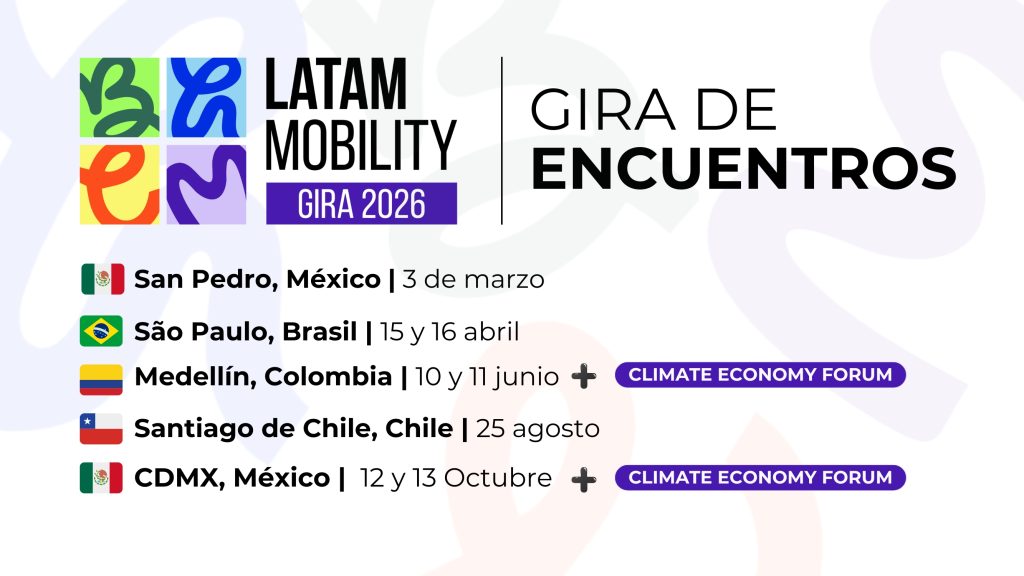
With the 2026 Tour, Latam Mobility reaffirms its commitment to building a regional agenda that connects vision, public policy, innovation, and the market.
Through its stops in Monterrey and Mexico City, Brazil, Colombia, and Chile, the platform will continue to promote a collaborative approach to accelerate the transition to cleaner, more efficient, and more inclusive transportation systems, positioning Latin America as a relevant player in sustainable mobility at the global level.
Be part of the movement that is accelerating Latin America’s energy and urban transformation. If you would like to learn more about how to participate and positioning options, click here.