


Toyota, the world’s largest automaker, has confirmed a significant shift in its electrification strategy. During the first quarter of 2026, the company reached a record 79,002 battery electric vehicle (BEV) units sold globally — more than double the deliveries from the same period last year.
This exponential growth — driven by the launch of seven new electric models in the last twelve months — has allowed Toyota to expand its global BEV lineup from 12 to 19 vehicles, consolidating its position in a market where several competitors have chosen to pull back.
Toyota’s rebound comes amid a strategic retreat by manufacturers such as Nissan, Stellantis, Ford, General Motors, and Honda from the U.S. electric vehicle market — a gap the Japanese firm seeks to exploit to gain market share.
At the same time, Toyota maintains its commitment to a diversified portfolio that includes hybrids (HEV), plug‑in hybrids (PHEV), battery electric vehicles (BEV), and hydrogen fuel cell vehicles (FCEV) — reaffirming its conviction that there is no single solution for achieving carbon neutrality, but rather a multidimensional approach tailored to the needs of each market and each customer.
You might also be interested in | The Automotive Sector in Colombia is Accelerating: Electric Vehicles Grow More than 300% and Tesla is Already the Third Best‑selling Brand in the Country
Hydrogen in Motion
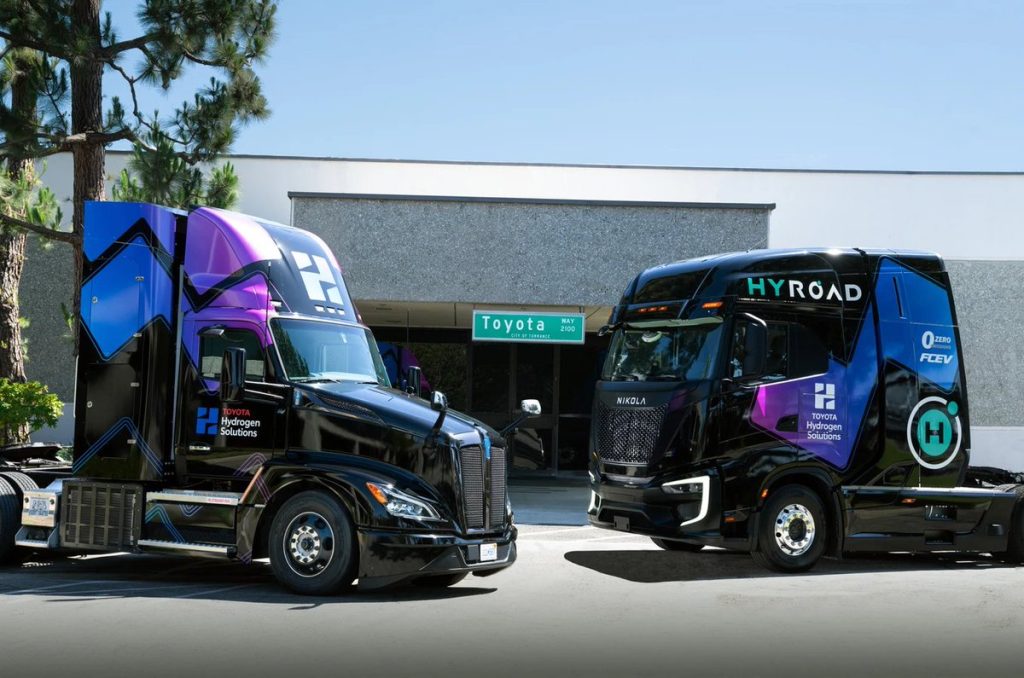
In parallel with the advancement of its battery offering, Toyota is not abandoning its bet on hydrogen as an energy vector — especially in the heavy transport segment. On May 4, during the Advanced Clean Transportation (ACT) Expo in Las Vegas, Toyota Motor North America announced a definitive agreement with Hyroad Energy to deploy 40 hydrogen fuel cell Class 8 commercial trucks in Southern California.
This is one of the largest deployments of zero‑emission hydrogen trucks in the United States and a key step in testing the commercial viability of this technology in real‑world logistics operations.
Jason Zahorik, General Manager of Toyota Hydrogen Solutions, said: “Accelerating the hydrogen economy requires collaboration, and Toyota is proud to work with Hyroad to drive the heavy‑duty transportation sector. By bringing together the critical elements — vehicles, software, and hydrogen supply — we are demonstrating how fuel cells create tangible value in supply chains.”
The agreement includes a bundled leasing model covering the vehicle, maintenance, and refueling access — eliminating the need for upfront capital from the customer. The new refueling infrastructure will begin operating in early 2027.
Colombia: New 2026 RAV4 and Sales Surge
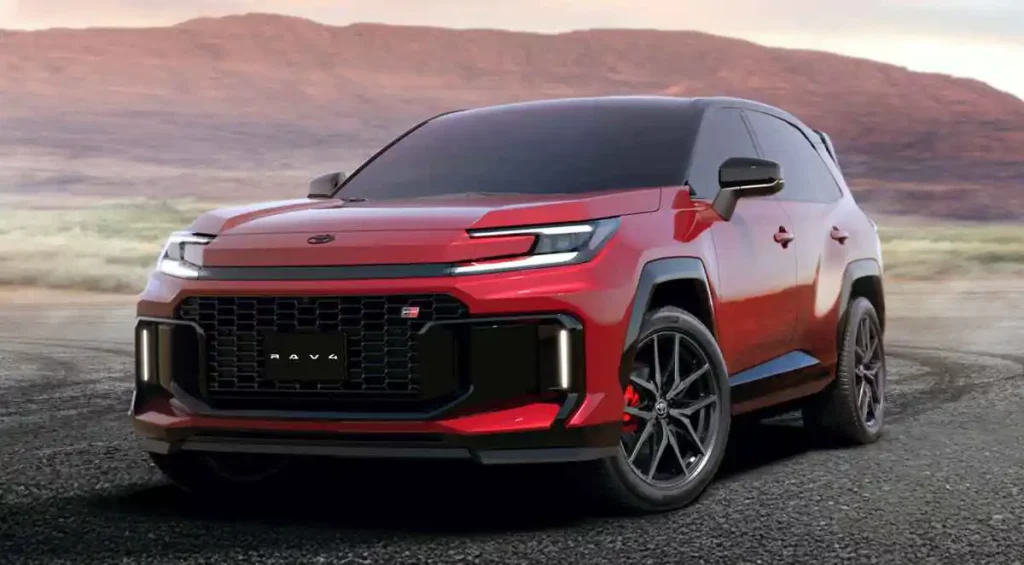
In Colombia, Toyota continues to strengthen its hybrid portfolio. During April 2026, the company launched the new 2026 RAV4, which arrives in the country exclusively in its hybrid XLE and Limited versions.
Both variants are equipped with the Toyota Safety Sense 4.0 safety package, which includes adaptive cruise control, pre‑collision system with vehicle and pedestrian detection, lane keeping and departure assist, and automatic high beams, among other advanced assists.
The full hybrid powertrain combines a 2.5‑liter Atkinson cycle engine with two electric motors and E‑Four electric all‑wheel drive, developing a combined power of up to 239 horsepower.
The launch of the RAV4 comes amid strong growth in the electrified segment in the country: during the first four months of 2026, sales of electric and hybrid vehicles in Colombia reached 9,349 units — a growth of 171.3% compared to the same period in 2025.
In March alone, 5,083 electric vehicles were registered — a 267% year‑over‑year increase — while hybrids grew 72.3% with 7,631 units. Electrified vehicles now account for nearly half (47%) of total new car sales in the country.
Brazil: Price War with BYD
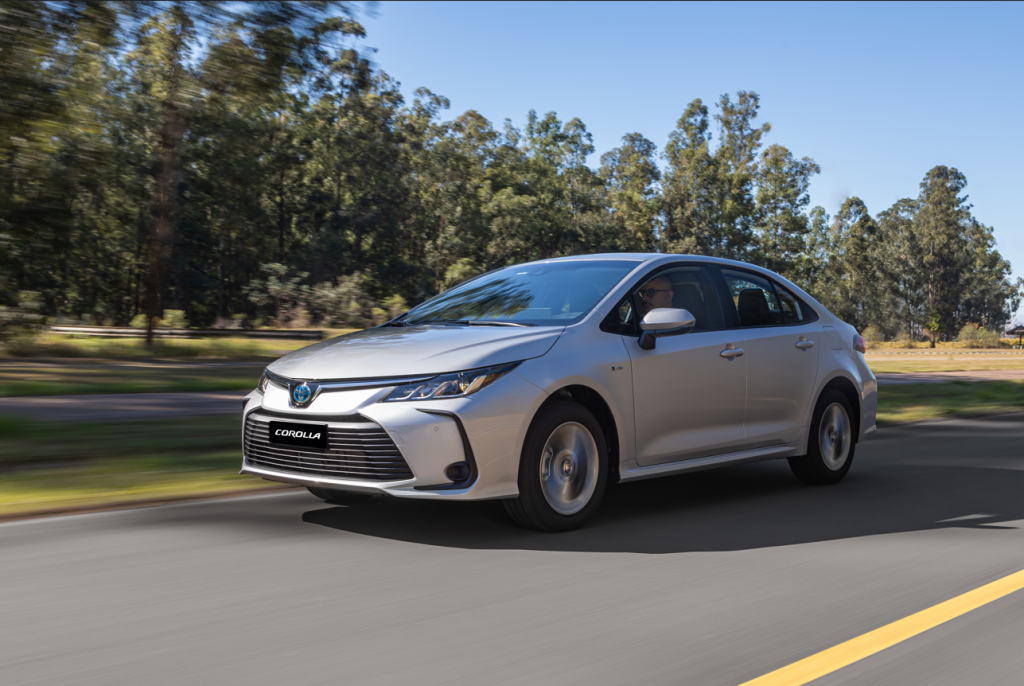
In Brazil, Toyota has shaken up the market with an aggressive strategy to counter the advance of China’s BYD.
The company announced a historic price reduction of more than R$ 45,000 (approximately 45,400 reais) on the Corolla GLi Hybrid — a direct response to the growing presence of Chinese hybrid models such as the BYD Song Pro and BYD King in the electrified segment.
The discount — channeled through direct sales and combined with tax and factory incentives — focuses primarily on buyers eligible for tax exemptions, though its impact extends to the entire market.
This price war reflects the intense competition playing out in Latin America’s largest automotive market, where Toyota seeks to defend its traditional leadership against the incursion of Chinese manufacturers.
Chile: Toyota Hilux Consolidates as Best‑seller
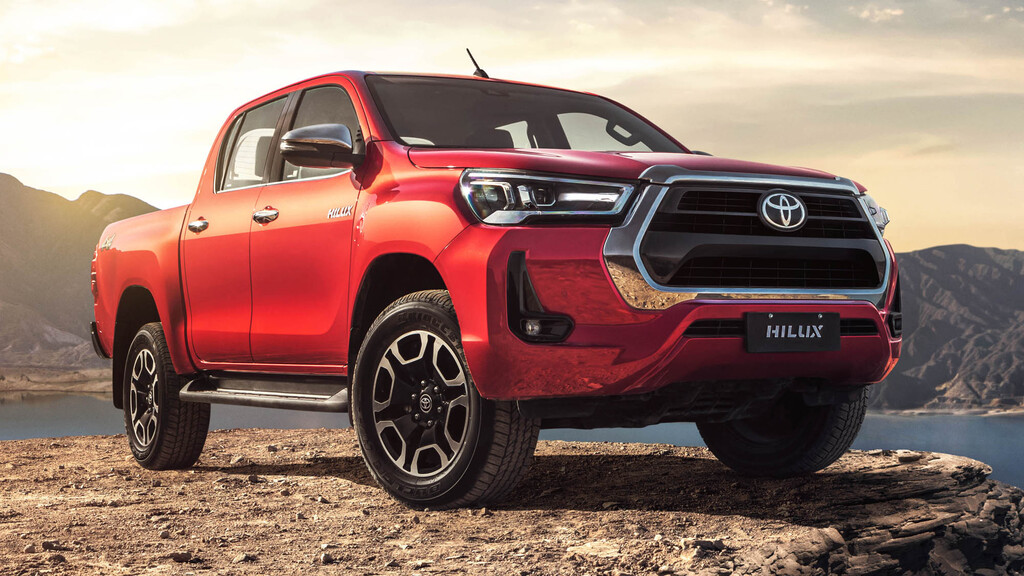
In Chile, the Toyota Hilux maintains its leadership position in the competitive pickup truck market. According to the latest sales data for the cumulative period from January to April 2026, the Hilux ranked as the third best‑selling pickup in the country, with 2,684 units sold.
In a market where pickups account for 20.4% of total sales, the Hilux is only surpassed by the GWM Poer (2,864 units) and the Mitsubishi L200 (2,762 units).
For the remainder of 2026, Toyota has set the goal of maintaining its leadership in the Chilean market, reinforcing its presence with a broad range of electrified vehicles and a service network that covers the entire national territory.
Between January and April 2026, the Chilean automotive market reached 102,549 units sold, with sustained growth driven mainly by SUVs and pickups.
Argentina: Local Production of the 100% Electric Hilux
In Latin America, Toyota confirmed one of the most anticipated pieces of news for the regional market. The iconic Toyota Hilux pickup will feature a 100% electric BEV version, to be manufactured at the Zárate plant in Buenos Aires province starting in late 2026.
Production of the new generation Hilux will begin in December 2026 with diesel versions, while the electric variant will join the lineup shortly thereafter — marking a milestone for the Argentine automotive industry and for the entire region.
The Argentine Hilux BEV will develop approximately 196 horsepower and will feature all‑wheel drive, with an estimated range of 230 kilometers — which is expected to improve in the final production version.
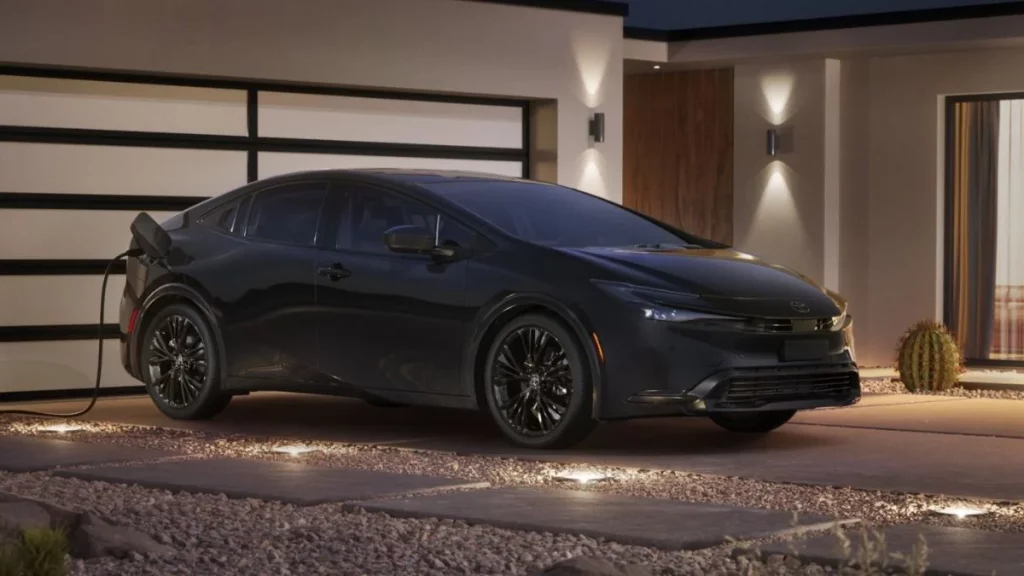
Additionally, Toyota’s first plug‑in hybrid (PHEV) models, such as the RAV4 PHEV and Prius PHEV, are expected to arrive in Argentina during 2027 — completing an electrified offering that will cover all available technologies.
Finally, on a global level, Toyota will continue to expand its battery electric vehicle lineup, aiming to reach 15 proprietary BEV models by 2027 and a decentralized global production capacity that will include Argentina as one of the key production hubs outside Japan and China.
Electromobility Takes Over Medellín
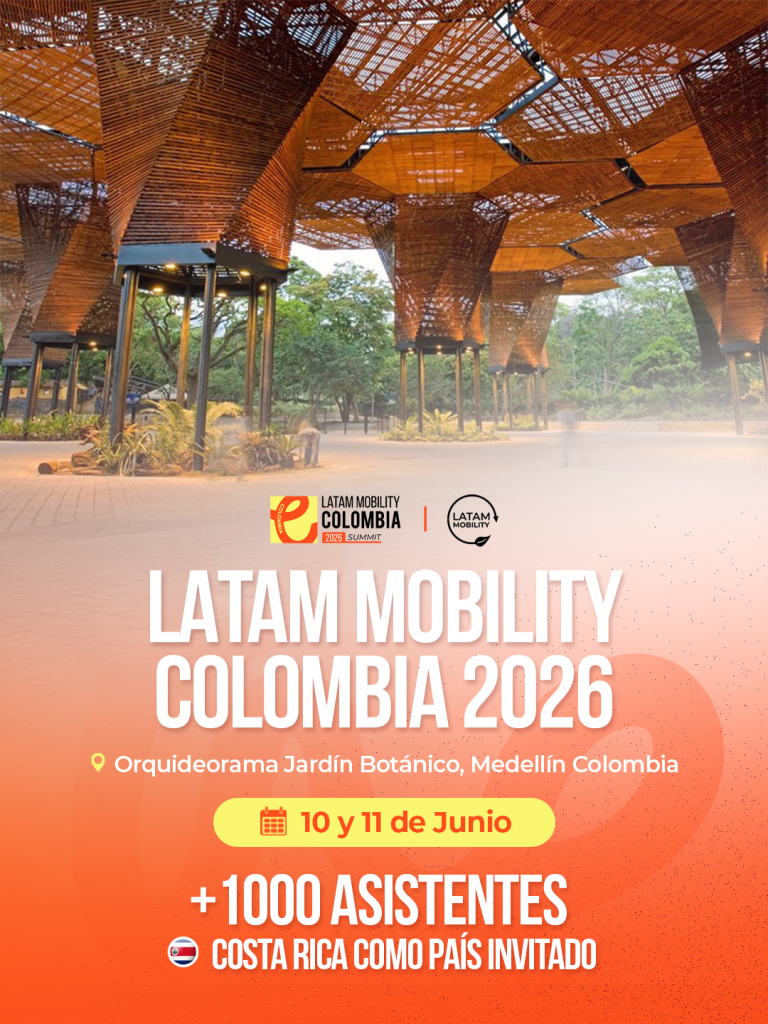
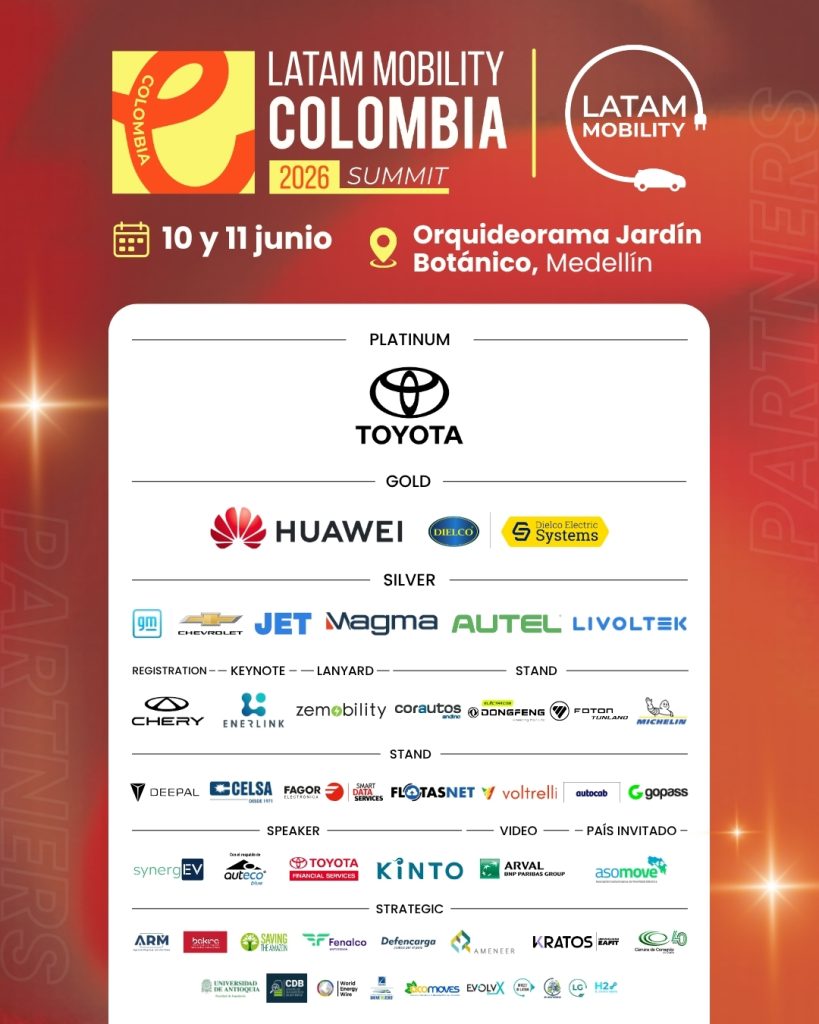
As the crowning touch to this period of unprecedented growth in the sustainable mobility sector, Colombia is preparing to host one of the most important events in the region: Latam Mobility Colombia 2026 — the leading meeting on decarbonization and electric mobility in Latin America — which will take place on June 10 and 11 at the emblematic Orquideorama of the Medellín Botanical Garden.
This year, the event will have more than 1,000 attendees and will feature Costa Rica as the guest country of honor, strengthening regional cooperation around clean technologies and the energy transition.
The summit will bring together the main players in the ecosystem: from manufacturers and assemblers to charging infrastructure operators, corporate fleets, government entities, and investment funds.
Latam Mobility Colombia 2026 will be the perfect stage for business leaders, investors, authorities, and citizens to learn first‑hand about the trends, challenges, and opportunities that define the new era of clean mobility in Colombia.
The meeting is in Medellín, at the heart of the Botanical Garden. A must‑attend event for those who believe that sustainable mobility is not the future, but the present of Colombia.
✅ Get your tickets here