


In a move that redefines urban mobility in one of the most populated metropolises in the world, micromobility company JET officially announced the start of its operations in Mexico City, the largest capital in Latin America.
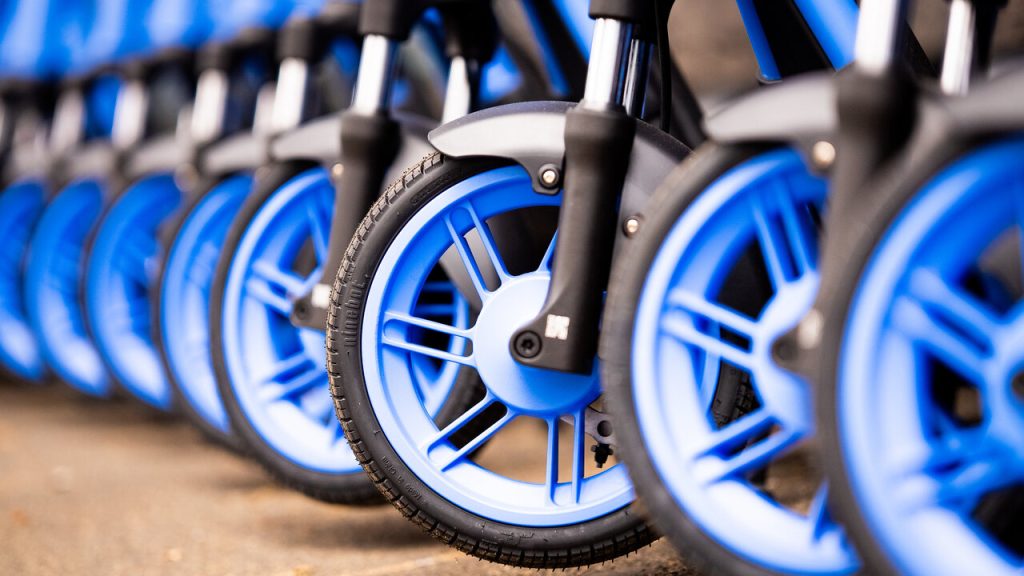
The electric scooter service arrives to establish itself as an agile, accessible, and sustainable alternative for the millions of residents and visitors who navigate the streets of this vibrant city every day.
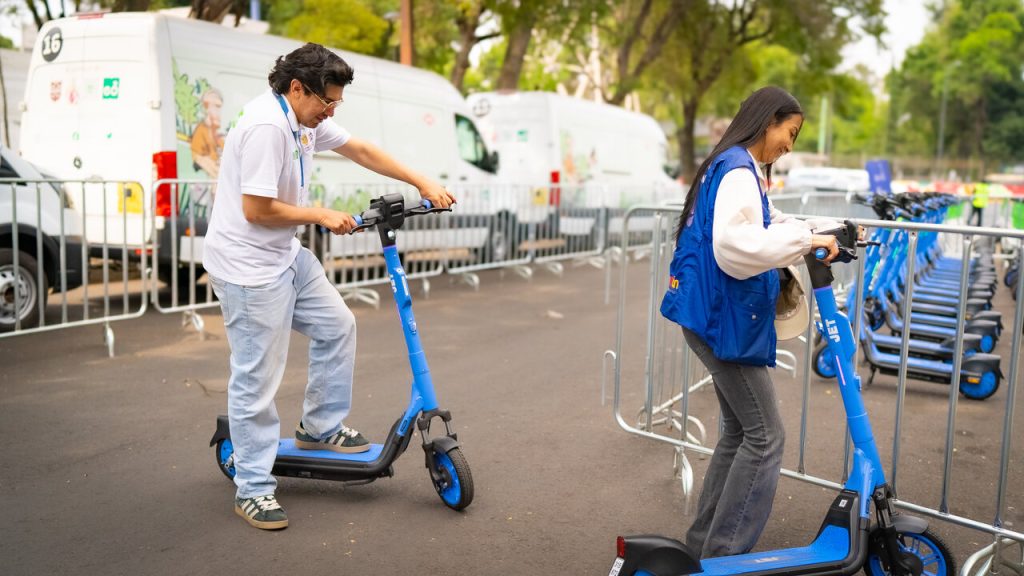
As part of this launch—and as part of its strategy to support major events—the company also deployed a special operation of 500 additional scooters around the Aztec Stadium to facilitate fan access to the 2026 World Cup games.
With this two-pronged action, JET not only enters the region’s most dynamic market but also demonstrates its ability to adapt to high-demand contexts, positioning itself as a key ally for last-mile mobility in extraordinary situations.
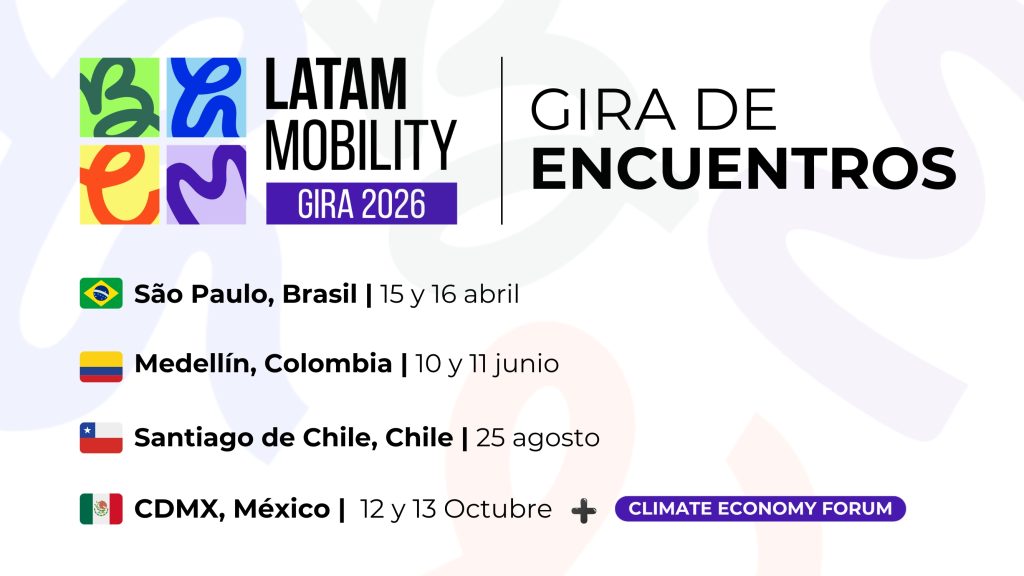
You may also be interested in | The “Latam Mobility 2026” Tour Wraps Up Its Stop in Medellín and Heads Toward Santiago de Chile and Mexico City
A Comprehensive Commitment to the Last Mile and Urban Sustainability
Now, getting around Mexico City has a new alternative. JET‘s service will complement the transportation system of one of the world’s largest megalopolises, offering comfortable last-mile trips for residents and visitors, connecting subway stations, transfer hubs, and bus stops with users’ final destinations.
JET views its solutions as an important complement to the public transportation system, facilitating short trips that save time, reduce traffic congestion, and decrease dependence on cars—contributing to more agile, practical, and sustainable urban mobility in the Mexican capital.
The company emphasizes that its electric scooters are designed for trips averaging 10 to 15 minutes, a range that covers the majority of last-mile trips in densely populated areas.
Earlier this month, JET already carried out pilot projects to support urban mobility during Liga MX matches. As part of these pilot launches, organized jointly with city partners, residents responded positively and actively used the service for short trips.
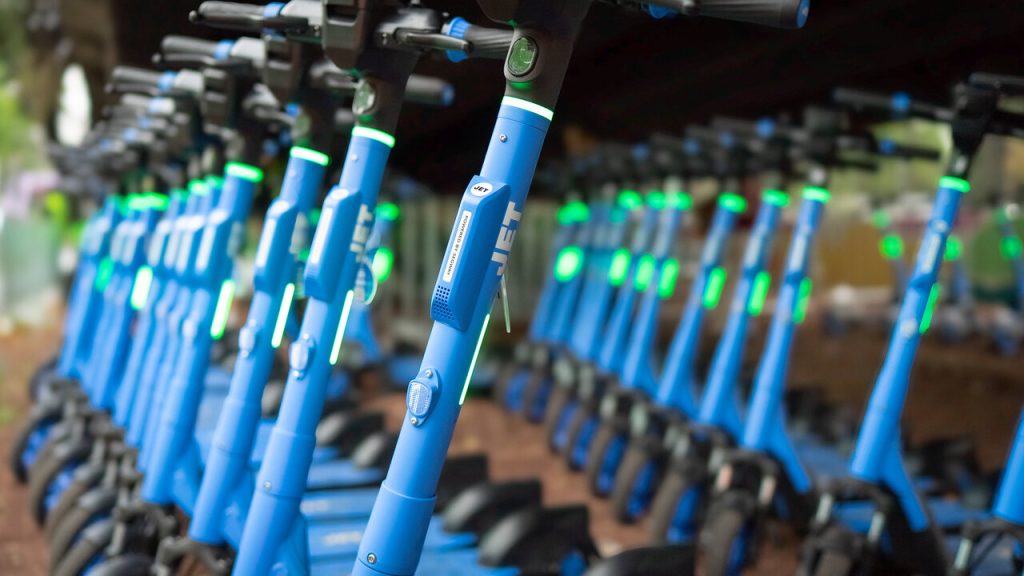
During the pilots on May 3 and 9, users made over 500 trips in two days, confirming the high demand for micromobility solutions during major sporting events.
This favorable response laid the groundwork for the definitive deployment of the service in the capital and, at the same time, provided the company with valuable data on usage patterns, high-traffic points, and logistical needs—insights it now applies both to its regular operation and to the special operation for the World Cup.
The experience gained in those pilots has been essential for JET to offer a reliable service tailored to the demands of a city as complex as Mexico City.
Progressive Deployment in Strategic Zones
Within the framework of the current pilot period, the company will progressively deploy the first 1,000 electric scooters in the city, in line with the initial authorization for service operation and with an eye toward future expansion.
The initial coverage covers strategic areas with high urban mobility demand: Cuauhtémoc, Benito Juárez, Miguel Hidalgo, and other boroughs of the metropolitan area, connecting key points for residents, workers, and visitors.
This selection of boroughs responds to a detailed analysis of transportation flows, population density, and the presence of intermodality nodes, such as subway stations, bus stops, and transfer centers.
JET anticipates that, as the service consolidates and acceptance grows, the fleet and coverage will expand to other districts, bringing micromobility to more corners of the megalopolis.
Furthermore, the company will be one of the transportation partners for the World Cup. The service’s broad coverage area and extensive network of parking zones will allow residents and visitors to move comfortably between transport hubs, stadiums, fan zones, and other key tournament locations.
Users will also have access to parking lots located near the sports infrastructure, making micromobility a strategic ally for event logistics.
JET has coordinated with local authorities to ensure that parking points and suggested routes are compatible with security perimeters and planned road closures, guaranteeing that fans can make the most of the service without interfering with established control measures.
Technology, Safety, and Usage Rules
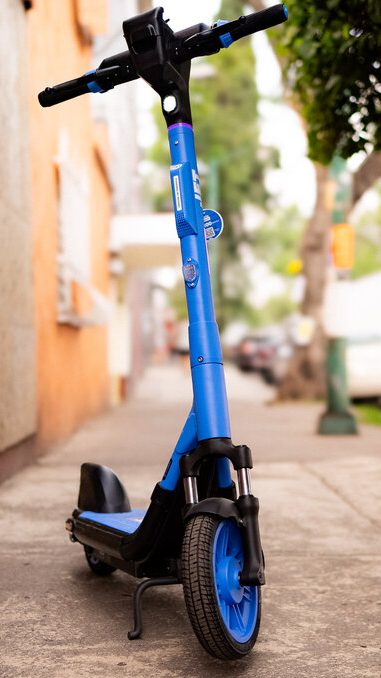
JET‘s electric scooters are equipped with a braking system, rear light, identification plate, GPS monitoring, and a maximum speed of 20 km/h, in accordance with current regulations.
As part of its commitment to user safety, the company implements continuous fleet monitoring, as well as user insurance available during vehicle use. The service is requested through the GO JET app, available for iOS and Android, where users can locate, unlock, and end their trips quickly and easily.
The platform was developed to offer a simple, accessible experience aligned with the company’s micromobility proposition. In addition, the app includes an interactive map showing authorized parking points, the battery status of each unit, and the estimated travel time, allowing users to plan their trips in advance.
Furthermore, the main usage rules include: rental and use of electric scooters is prohibited for minors under 18; JET scooters are single-rider vehicles and riding with two people is not permitted; use for cargo transport or delivery services is not allowed; the vehicle must be parked only in the designated spots shown on the app’s map; and the vehicle must never be left on public streets, sidewalks, in front of crosswalks, vehicle entrances, or accessibility ramps.
These measures aim to ensure harmonious coexistence between micromobility users and other road users, as well as to preserve public space and accessibility for people with disabilities. JET has implemented an age verification system and a registration process requiring official identification to ensure compliance with regulations.
“Mexico City is one of the most dynamic and important markets in Latin America, with millions of people moving daily in search of more efficient transportation alternatives. Arriving in the capital is a key moment for JET: it allows us to get closer to a diverse, active community with enormous potential to adopt micromobility as part of urban life.”
— Víctor Coelho, LATAM Public Relations Manager at JET
For JET, this is an important strategic alliance aimed at developing urban mobility and increasing transportation accessibility for residents and visitors. The company expects this collaboration to extend to future expansion phases and the implementation of technological improvements, such as integration with public payment systems and fleet expansion to cover new areas of the city.
A Year 2026 of Consolidation for Mobility
The Latam Mobility 2026 Tour will arrive in Santiago, Chile, on August 25, bringing together experts and strategic players to further strengthen the sustainable mobility ecosystem in the region.
The tour will end in Mexico City on October 12 and 13, alongside the Climate Economy Forum, in a meeting that will bring together sector leaders to continue driving the transition toward more efficient, sustainable, low‑emission transportation systems in Latin America.
The transition is already underway. The Latam Mobility 2026 Tour will be the meeting point to accelerate decisions, connect key players, and collaboratively build sustainable mobility in Latin America.