



In 2025, BYD captured at least 70% of Mexico’s electric vehicle market, doubling its volume compared to the previous year.
The Dolphin Mini (also known as Seagull) became the best-selling vehicle, driving much of the growth.
Chinese brands represented 20% of Mexico’s total new car market, and plug-in vehicles were estimated to total around 100,000 units in 2025.
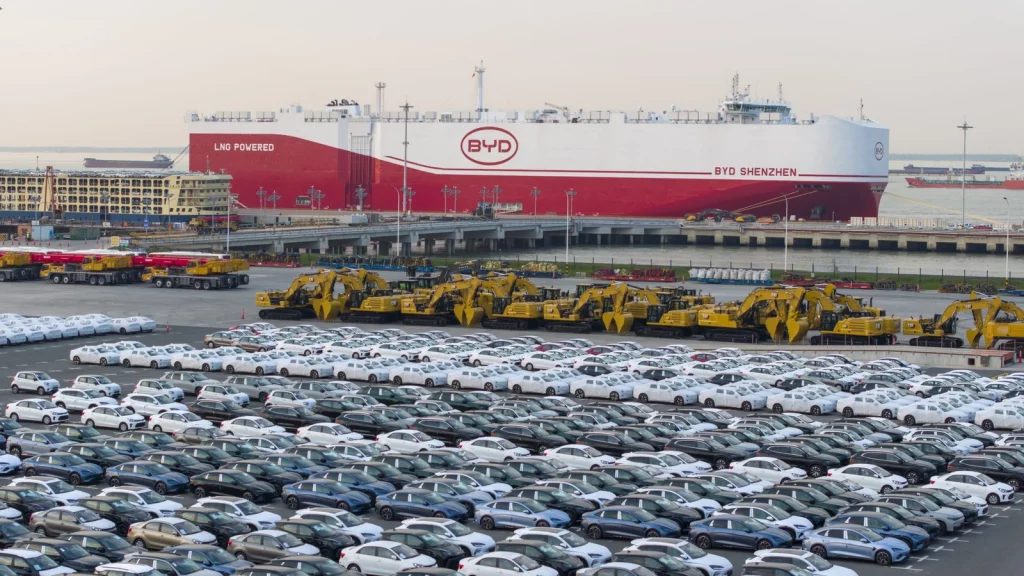
The 50,000-unit order from Brazil is equivalent to most of BYD’s sales in Mexico and half of last year’s EV market.
Although Mexico raised tariffs on vehicles from countries without trade agreements from 20% to 50%, primarily affecting China under pressure from the U.S. government, the trade agreement with Brazil and this 50,000-vehicle order mitigates much of the tariff impact.
You may also like | São Paulo to Host “Latam Mobility & Net Zero Brasil 2026,” Latin America’s Leading Sustainable Mobility Event
Argentina: A Market with High Growth Potential
In Argentina, the potential impact is even greater. In 2025, the country sold 26,632 electrified vehicles, of which 76% were non-plug-in hybrids, leaving only 6,400 BEVs and PHEVs, just over 1% of the 571,308 new vehicles sold.
Currently, BYD holds around 75% of the EV market in Argentina, meaning the order from Brazil could multiply the size of the Argentine EV market.
Additionally, Argentina exempted the first 50,000 imported plug-in vehicles from tariffs, which could increase imports from China.
Thanks to the Mercosur trade agreement with Brazil, sales could exceed that quota, significantly transforming the country’s EV market.
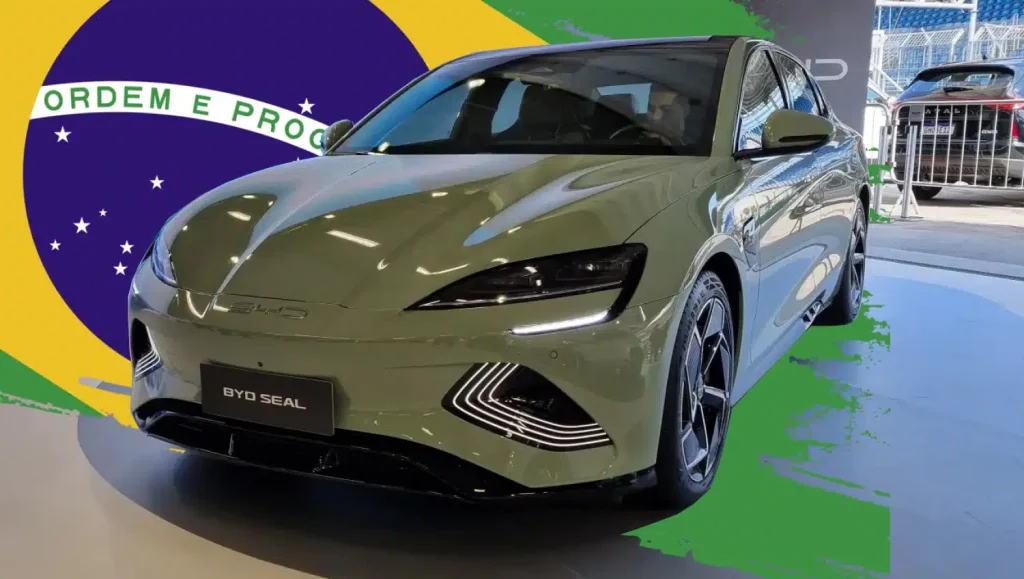
Dolphin Mini: Top Seller in Brazil
The Dolphin Mini (Seagull) became the best-selling vehicle in Brazil’s retail market in February, with over 4,100 units sold, marking the first time an EV or a Chinese brand led this category.
Including government and corporate sales, the model ranks 11th overall, but the year-over-year growth was 64%, following a strong January performance.
This focus on private sales could signal a future trend, as protections and regulatory changes in Europe may reduce the availability of EVs as corporate cars, leaving private buyers as the primary customer base, as seen in Brazil.
Localized Production and Expansion in Brazil
BYD sold approximately 112,900 vehicles in Brazil in 2025 and aims to reach 250,000 units this year.
Although Brazil recently revoked the tariff exemption for locally assembled CKD vehicles, with tariffs rising to 35% by year-end, BYD plans to source 50% of components locally, avoiding these tariffs.
The Bahia plant produces models such as Dolphin Mini, Song Pro (Sealion 5 in Europe), and King (formerly Chaser in China). Production of the Yuan Plus (Atto 3), currently being replaced in China, is also planned.
The factory aims to expand its initial capacity from 150,000 to 300,000 units this year, distributing production across Brazil, Mexico, and Argentina, with potential exports to markets such as Africa.
BYD and the Transformation of EV Markets
BYD is also strengthening its presence in Canada, with potential local production through a possible free trade agreement with Mercosur, opening new export routes.
The Bahia plant’s final capacity could reach 600,000 units, faster than expected, while other BYD plants in Indonesia and Hungary progress with mass production.
In China, BYD is undertaking the largest product transition since the launch of the Blade Battery in 2020, with major updates or replacements for all models, preparing the next phase of vehicle electrification in the world’s most competitive market.
Electric vehicle technology has consolidated and will continue to grow globally, although protectionist policies or local restrictions could slow competition, raise prices, and hinder adoption in some markets.
However, even previous-generation vehicles remain competitive in emerging markets. Despite political obstacles, EV demand continues to grow, and the most favorable markets could experience accelerated growth, positioning BYD as a key player in EV expansion across the Americas and worldwide.
The Conversation Continues
The recently summit in San Pedro Garza García was just the beginning of a journey that will take this dialogue across the entire region. It will be an opportunity to continue building, through open dialogue and multi-sector collaboration, the path toward a cleaner, more efficient, and sustainable future for transportation and logistics throughout the region.
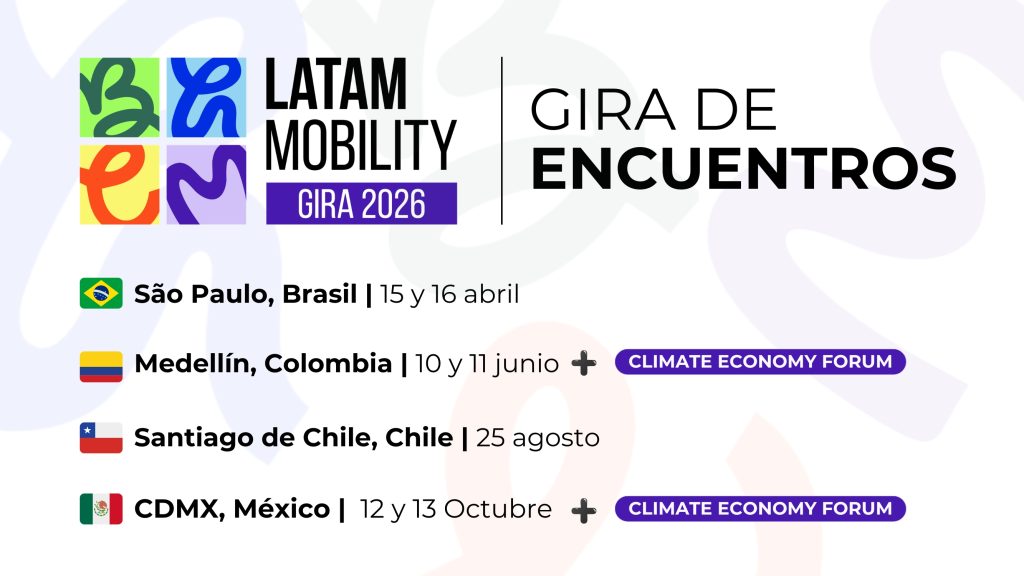
Through its stops in Mexico City, Brazil, Colombia, and Chile, the platform will continue to promote a collaborative approach to accelerate the transition to cleaner, more efficient, and more inclusive transportation systems, positioning Latin America as a relevant player in sustainable mobility at the global level.
Be part of the movement that is accelerating Latin America’s energy and urban transformation. If you would like to learn more about how to participate and positioning options, click here.