

The Colombian automotive market is having its best run in 14 years: between January and April 2026, 100,446 new vehicles were registered – a 49.3% jump compared to the same period in 2025.
Behind that record figure is a surprisingly wide range of preferences: while Bogotá and Antioquia are leaning into electric cars like the Tesla Model Y, intermediate and rural regions stay loyal to budget-friendly models like the Kia Picanto or work trucks like the Toyota Hilux and Ford Ranger.
The analysis, based on records from ANDEMOS and RUNT, shows that Colombia is also a diverse market when it comes to cars, with surprises ranging from a Volkswagen Volksbus in Arauca to a JAC truck in Guainía.
You may also be interested in | Changan Invests in Brazil, Launches Models in Mexico, and Begins Testing Batteries with Over 1,500 km of Range
Record Numbers Boost the Automotive Sector
The sector’s momentum has no recent precedent. With 100,446 units registered in the first four months of 2026, the industry is blowing past the 67,300 units from the same period in 2025.
Bogotá D.C. leads regional contribution with 28,939 registrations and a year‑over‑year increase of 104.8%. It’s followed by Antioquia with 19,498 vehicles (+58.7%), Cundinamarca with 13,702 (-3.2%), Valle del Cauca with 9,115 (+49.1%), and Santander with 4,226 (+44.6%).
Only two regions saw declines: Cundinamarca and Chocó – though Chocó had just three registrations total during the period.
South Korean brand Kia became the best‑seller nationwide, driven by the overwhelming success of the Kia Picanto in many departments. But the most talked‑about phenomenon of the year is Tesla’s arrival, with its Model Y becoming the top choice in the two highest‑volume regions.
Two Poles Define the Map
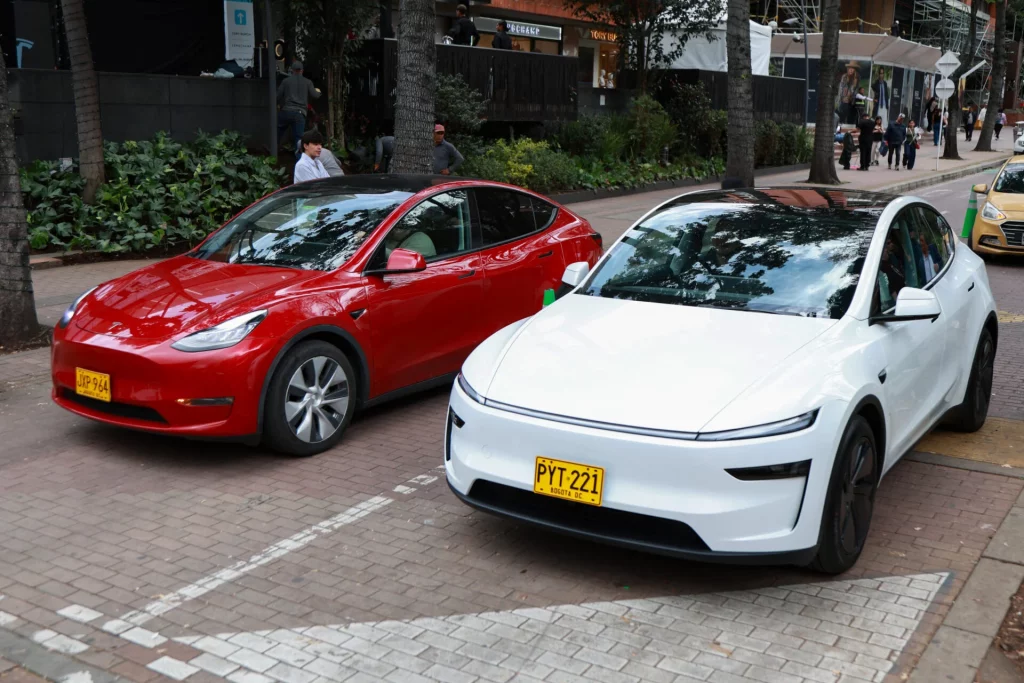
The Tesla Model Y didn’t just break in – it dominated in big cities. In Bogotá it logged 2,298 registrations, and in Antioquia it recorded 1,613 units.
Those numbers put Tesla far above any other model in those areas, reflecting a clear bet on electric tech and premium SUVs in the most populous urban centers with better charging infrastructure.
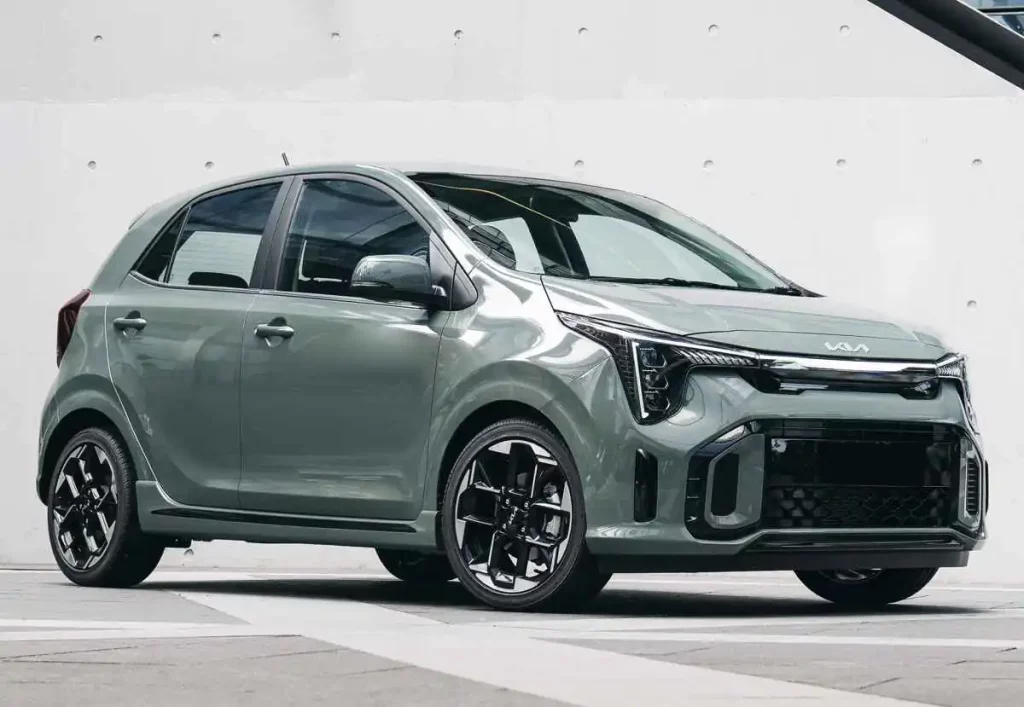
At the opposite end is the Kia Picanto, the quintessential city car, which became the undisputed leader in 11 departments: Atlántico (330 registrations, +91.9%), Bolívar (165, +108.9%), Cauca (34, +112.5%), Huila (58, +56.8%), Nariño (71, +91.9%), Quindío (64, +166.7%), Risaralda (154, +152.5%), Santander (279, +136.4%), Tolima (62, +29.2%), and Valle del Cauca (474, +80.2%).
The cross‑cutting success of the Kia Picanto shows that Colombian families in intermediate regions still prefer efficient, affordable vehicles with widely known mechanics.
From Electric Luxury to Work Pickups
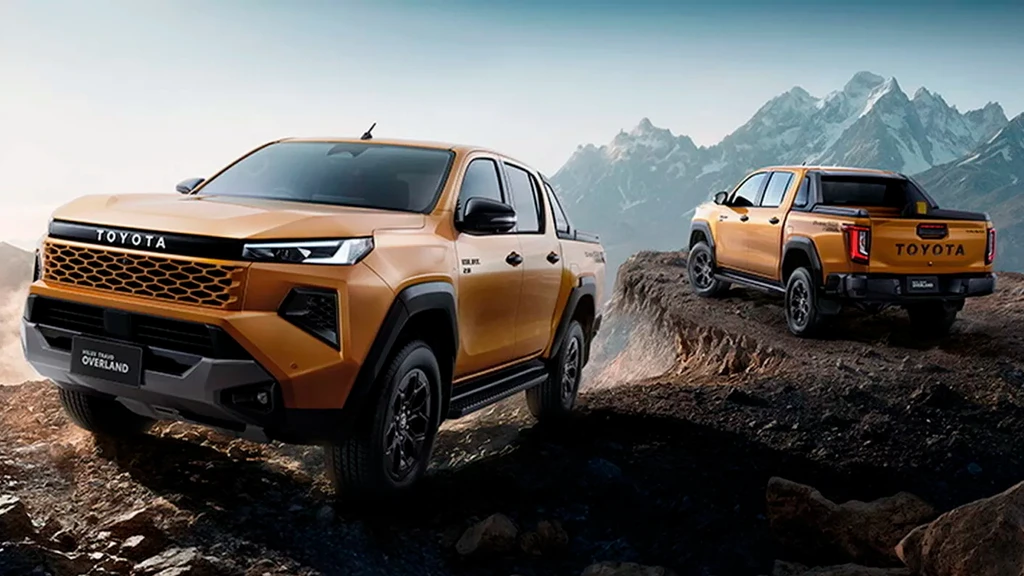
Work pickups have their own space. In ranching and farming departments, the Toyota Hilux prevailed in Meta (94 units) and Guaviare (5 units, with explosive growth of 550% in the region).
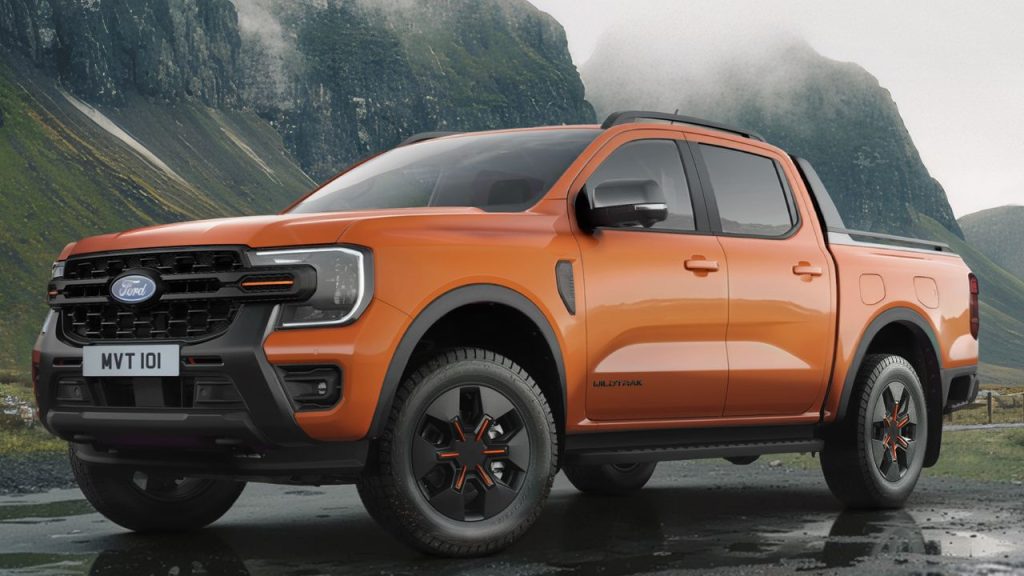
La Guajira tipped the scales toward the Nissan Frontier (61 registrations, +90.6%), while Amazonas and Putumayo chose the Ford Ranger as their preferred model (6 and 10 units, respectively).
Arauca, for its part, delivered a major surprise by picking a commercial vehicle: the Volkswagen Volksbus 11.180 (4 registrations), a bus that leads sales in that department.
Family SUVs also have loyal territories. Boyacá, Casanare, and Sucre crowned the Renault Duster Nacional (52, 36, and 85 units each). Caquetá and Cesar showed a more refined taste by massively preferring the Mazda CX-5 (39 and 80 units, with growth of 143.8% and 110%).
Norte de Santander charted a different course by choosing the hybrid Toyota Corolla Cross (195 registrations), and San Andrés Islas opted for the new Nissan Kicks P16 (5 units, +400%).
Diversity and Surprises on the Map
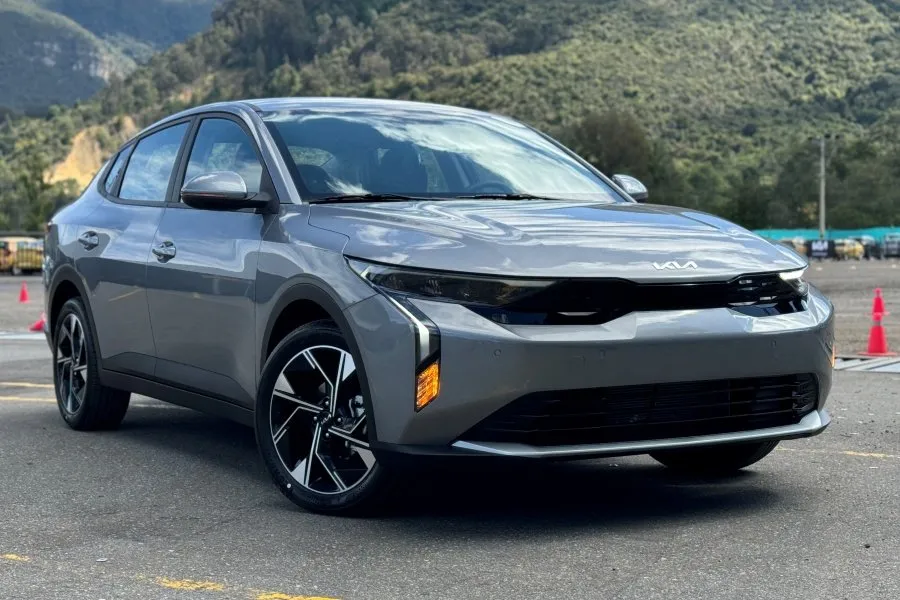
Other specific behaviors further enrich the landscape. Caldas and Córdoba massively chose the Kia K3 in its Cross and Sedan versions (90 and 47 units, with growth of 106.5% and 223.1%, respectively).
Magdalena preferred the Chevrolet Onix (29 registrations, +140%). Chocó recorded just one new vehicle: the Hyundai Grand i10. Guainía also logged a single registration, a JAC HFC1048KN truck. Finally, Vichada had no new car registrations in the period analyzed.
While large cities are betting on new electric tech, intermediate and rural regions stick with traditional gasoline models – whose mechanics are widely known and pose no logistical risks.
This combination shows a mature market that adapts its buying decisions to each area’s specific needs.
Outlook and Perspectives
With over 100,000 units in four months, Colombia’s automotive sector is on track for a historic year‑end if the current trend holds. The 49.3% growth is the highest since 2012, and the fierce competition between traditional and emerging brands – like Tesla and other electric automakers – will reshape the regional market in the coming months.
Established brands like Renault, Kia, Toyota, and Chevrolet will need to fight to keep their dominant territories as new players arrive. Meanwhile, Colombian consumers keep showing that when they buy a car, the climate, geography, culture, and economic activity of each region matter just as much as price or technology.
The map of best‑selling cars in Colombia in 2026 is, in the end, a reflection of the country’s richness and complexity. From the Tesla Model Y cruising the highways of Bogotá and Medellín, to the Kia Picanto making its way through the streets of Barranquilla, Ibagué, or Pasto, to the Toyota Hilux dominating the eastern plains and the Ford Ranger crossing the Amazon jungle.
This is automotive Colombia: diverse, surprising, and in full ferment.
A 2026 of Consolidation for Mobility in Colombia
As the crowning touch to this period of unprecedented growth in the sustainable mobility sector, Colombia is preparing to host one of the most important events in the region: Latam Mobility Colombia 2026 — the leading meeting on decarbonization and electric mobility in Latin America — which will take place on June 10 and 11 at the emblematic Orquideorama of the Medellín Botanical Garden.
This year, the event will have more than 1,000 attendees and will feature Costa Rica as the guest country of honor, strengthening regional cooperation around clean technologies and the energy transition.
The summit will bring together the main players in the ecosystem: from manufacturers and assemblers to charging infrastructure operators, corporate fleets, government entities, and investment funds.
Latam Mobility Colombia 2026 will be the perfect stage for business leaders, investors, authorities, and citizens to learn first‑hand about the trends, challenges, and opportunities that define the new era of clean mobility in Colombia.
The meeting is in Medellín, at the heart of the Botanical Garden. A must‑attend event for those who believe that sustainable mobility is not the future, but the present of Colombia.
✅ Get your tickets here