


Renault-Sofasa released its 2025 Sustainability Report, a document that sums up the past year’s major wins across industrial operations, social impact, environmental performance, and governance.
The numbers are historic—and they cement Colombia as one of Renault Group’s strategic operational hubs in the region.
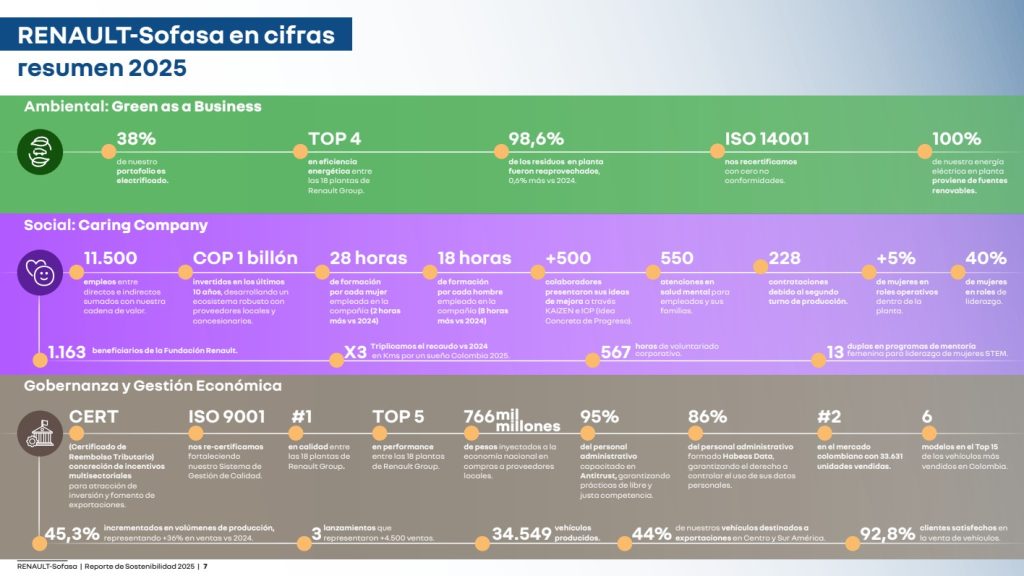
The Envigado plant in Antioquia posted 45.3% growth in local vehicle assembly, turning out 34,549 units in 2025. That surge was fueled by the launch of Renault Kwid production, which required a second work shift, 228 new hires, and a steady production cadence to meet demand.
Today, the company supports more than 11,500 direct and indirect jobs across its entire value chain. On the economic side, local supplier spending hit COP 766,000 million for parts and components.
You May Also Be Interested In | Electric Mobility Balance in Latin America During the First Half of 2026: Brazil, Mexico, Chile, and Colombia Lead an Unstoppable Transformation
Colombia: Export Platform for Latin America
Renault-Sofasa’s manufacturing muscle serves not only the domestic market. The report shows that 44% of all assembled cars are bound for export—a 50% jump in that category—with shipments heading to Mexico, Peru, Bolivia, Ecuador, Argentina, and Venezuela.
That momentum gives a real boost to the national economy and locks in Colombia as a strategic manufacturing base for the French automaker.
Over the last decade, Renault-Sofasa has poured more than 1 trillion pesos into modernizing operations, adding new industrial capabilities, and strengthening the country’s role as an automotive hub with regional reach.
Sales results also showed a major shift in buyer tastes: 38% of Renault-Sofasa vehicles sold in 2025 featured electrified powertrains—proof that cleaner, more efficient tech is steadily gaining ground on traditional combustion engines. Models include the Arkana and Duster E-Tech mild hybrids, the Koleos Full Hybrid E-Tech, and the all-electric Kwid and Mégane E-Tech.
On top of those results, the brand kept a strong presence at home, ranking as Colombia’s #2 bestselling car brand with 33,631 new registrations over the year. Five models landed in the top 15 best-sellers: the locally produced Duster, Kardian, Kwid, Logan, and Arkana.
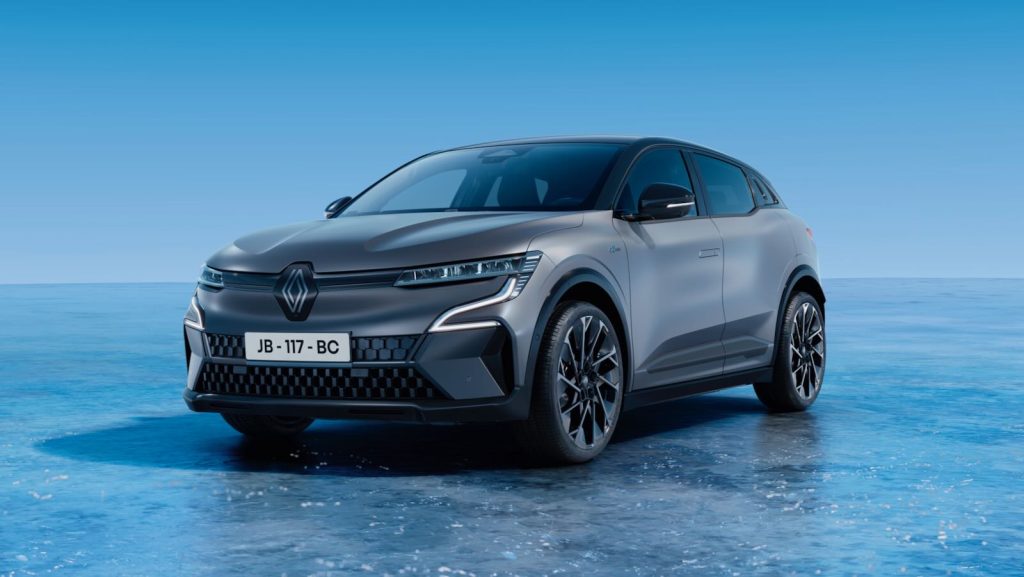
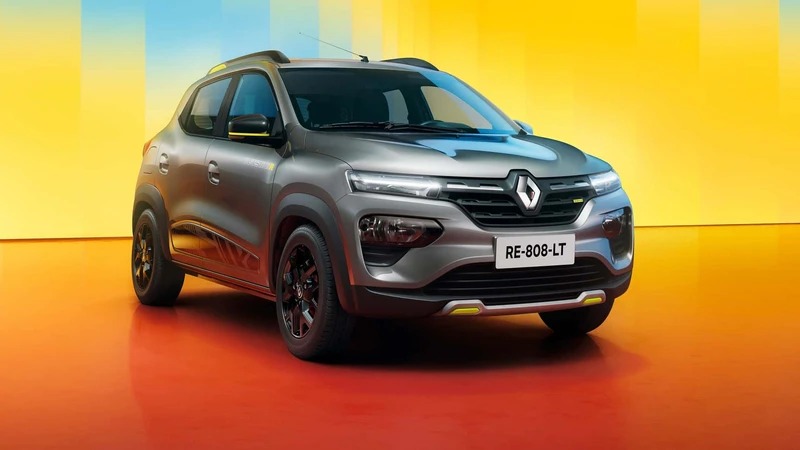
Renault Kwid: Icon of Colombian Manufacturing
Official production of the Colombian Renault Kwid kicked off on April 2, 2025, after a nearly $100 million investment for plant upgrades. That capital adapted 3,500 square meters of floor space, added new workstations, and brought 31 local suppliers on board to bolster domestic supply chains.
This industrialization project strengthens Colombia’s auto industry—which now accounts for 7% of the country’s industrial GDP—while reinforcing Renault-Sofasa’s commitment to economic growth and job creation.
As part of its sustainability push, and through a partnership with Esenttia and Nacional de Chocolates, the Renault Kwid now features several parts made with biocompounds derived from Colombian cocoa.
The project also added two new robotic cells and heavily automated the welding area, making it the first in the country to offer a two-tone paint process (black roofs) at a rate of 2.5 vehicles per hour. Thanks to these major operational upgrades, they now assemble 97 units per shift and export this urban runabout to more than 10 countries.
Mechanically, the vehicle weighs just 809 kg and delivers 18 km/liter under mixed conditions. Standard equipment includes four airbags, electronic stability control, and a tire pressure monitor. There’s also a symbolic touch: every unit sports a hummingbird figure to celebrate its Colombian roots and showcase local craftsmanship.
The Commitment to Sustainability and Operational Efficiency
Renault-Sofasa held the top spot in the MERCO ESG ranking for the automotive sector in Colombia for a second straight year—a ranking that underscores the consistency of its environmental, social, and governance work. In the overall MERCO standings, the brand climbed 13 spots, from 60th in 2024 to 47th in 2025.
According to Juan Camilo Vélez, President and CEO of the company: “At Renault-Sofasa, we see sustainability as a way to create value. That’s why we keep working to strengthen the industry, open up opportunities for people, and move toward cleaner, smarter mobility while contributing to the country’s economic and social development.”
Through various efficiency initiatives at the Envigado complex, the company saved 1 billion pesos by cutting energy costs. That performance landed them among the four most efficient Renault Group plants worldwide—proof that Colombia’s auto industry remains a key player on the global stage.
Finally, Renault-Sofasa is nearing its 57th anniversary (founded on July 2, 1969) and 56 years of continuous production since July 3, 1970, when the first locally assembled Renault 4 rolled off the line. For over five decades, the company has proudly built more than 1.7 million vehicles—from the beloved R4 “Amigo Fiel” all the way to the new Renault Kwid.
A Year 2026 of Consolidation for Mobility
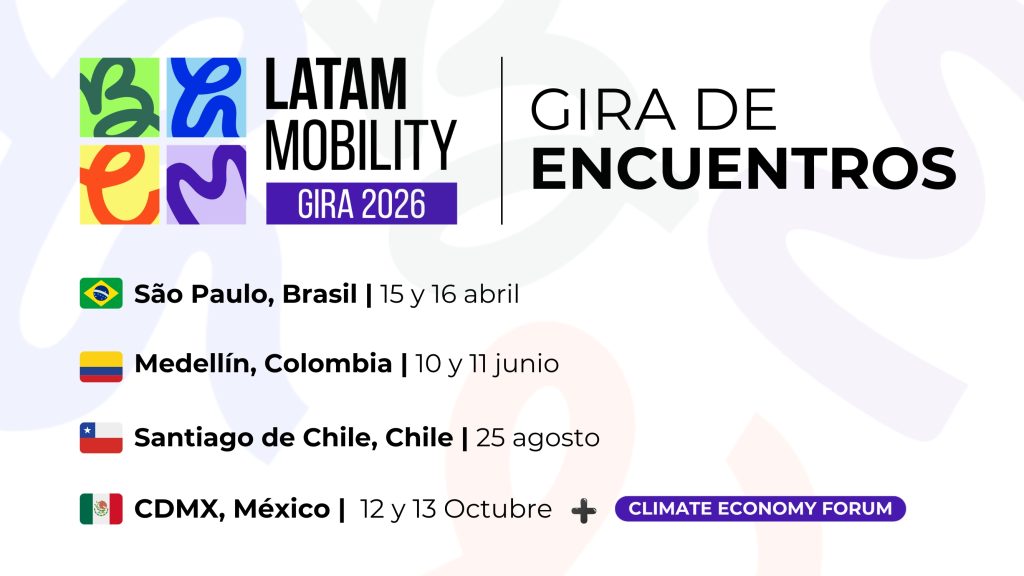
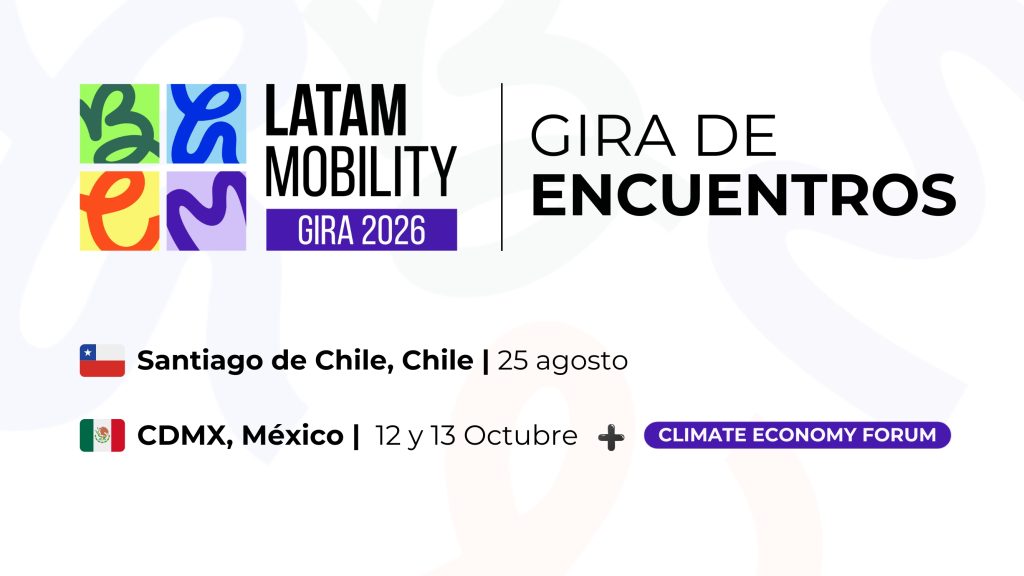
The Latam Mobility 2026 Tour will arrive in Santiago, Chile, on August 25, bringing together experts and strategic players to further strengthen the sustainable mobility ecosystem in the region.
The tour will end in Mexico City on October 12 and 13, alongside the Climate Economy Forum, in a meeting that will bring together sector leaders to continue driving the transition toward more efficient, sustainable, low‑emission transportation systems in Latin America.
The transition is already underway. The Latam Mobility 2026 Tour will be the meeting point to accelerate decisions, connect key players, and collaboratively build sustainable mobility in Latin America.