



On Tuesday, Colombia‘s Ministry of Mines and Energy issued Resolution 025 of 2026, officially announcing and defining the first long-term electricity contracting mechanism in the country’s history.
This instrument, developed under the guidelines of Decree 1091 of 2025, has as its main objectives to ensure future energy supply, diversify the electricity matrix, and decisively propel Colombia’s energy transition.
The measure represents a structural change in the national electricity market by establishing a stable regulatory framework for contracts with a duration of up to 15 years.
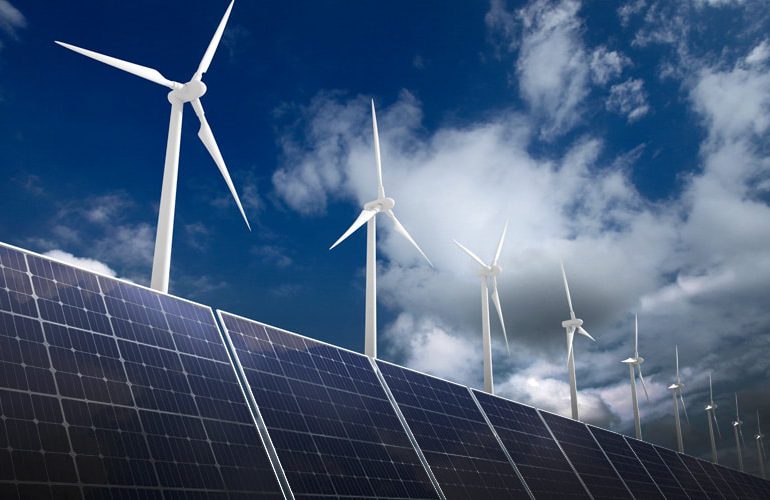
It is designed to comprehensively incorporate projects based on non-conventional renewable energy sources (FNCER), battery energy storage systems (BESS), and different hourly products, in order to strengthen the reliability, flexibility, and sustainability of the National Interconnected System (SIN).
You may also be interested in | Study: Electric Vehicle Adoption Challenges Global Tax Revenues
Mechanism to Send Clear Signals
Minister of Mines and Energy Edwin Palma highlighted the importance of the new scheme in providing certainty to investors.
“The country needs clear rules and long-term signals to guarantee clean, reliable energy at efficient prices. With this mechanism, we are correcting delays, closing gaps, and taking a structural step to shield the electrical system from climate risks and future demand,” said the senior official.
The mechanism arises, in part, as a response to technical analyses of the sector that show significant non-compliance by a group of marketers with the legal obligation to purchase between 8% and 10% of their energy from clean sources, a goal established in the National Development Plan.
The new auction becomes a key tool to facilitate and ensure compliance with this mandatory quota, closing the existing gap.
Price Promotion and User Protection
The design of the contracting mechanism, which will function as an auction, seeks to promote fair, efficient, and stable prices over time.
Its implementation aims to reduce spot market volatility and protect end users from sudden fluctuations in energy prices.
To achieve this balance, the process will implement an allocation algorithm that will find the optimal point between the supply of generators and the demand of marketers.
“This is a public policy decision to strengthen the energy matrix, attract responsible investment, and ensure that the transition is orderly, fair, and provides real benefits for users,” said Minister Palma, emphasizing the social and economic nature of the initiative.
Institutional Coordination
The Ministry of Mines and Energy will be responsible for implementing this ambitious process, in coordination with the Colombian Mercantile Exchange (BMC), which was selected through a public tender to act as the mechanism’s logistics operator.
The BMC brings more than four decades of experience in conducting auctions in various sectors of the national economy.
The technical development of the mechanism was supported and advised by the Inter-American Development Bank (IDB) and the World Bank (WB), international organizations that have backed the consolidation of a robust, transparent model aligned with global best practices.
Open Public Consultation
In compliance with the principles of transparency and citizen participation, the Ministry of Mines and Energy has made the complete draft resolution regulating the mechanism available to the public.
The document is available for consultation and comments on the ministry’s official website (www.minenergia.gov.co) or through this link.
Citizens, trade associations, academics, and industry stakeholders will have the opportunity to submit their comments and contributions until February 3, 2026.
With this historic call, Colombia reaffirms its commitment to building a complementary, resilient, and low-carbon energy matrix.
This policy not only seeks to guarantee the country’s energy security in the face of the challenges of climate variability and growing demand, but also to improve the competitiveness of the Colombian economy and ensure the well-being of all citizens through a stable, clean, and affordable energy service.
Medellín: Key Andean Hub for Transition
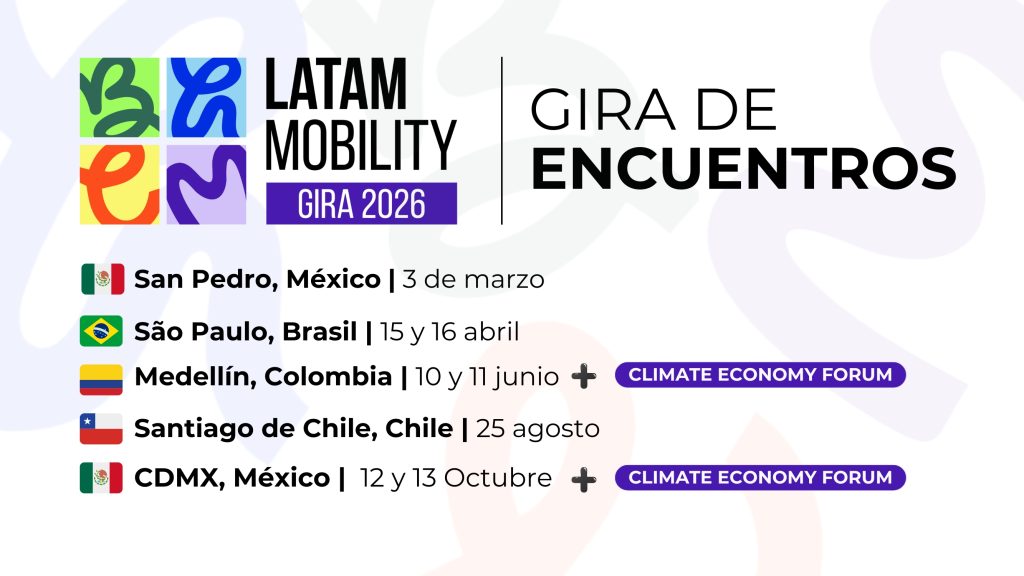
On June 10 and 11, 2026, the city of Medellín, Colombia, recognized worldwide for its urban transformation and innovation, will be the epicenter of debate and strategic connection for sustainable mobility in the region.
As a fundamental part of Latam Mobility’s “2026 Tour,” the Colombian event is positioned as the indispensable forum for understanding and capitalizing on the specific dynamics of the Andean market, a key territory in the transition to clean and efficient transportation systems.
“Latam Mobility Colombia 2026” will offer an in-depth and practical look at how Colombia is accelerating the synergistic integration of renewable energy and transport electrification.
It will be the space where decision-makers, investors, and experts will analyze advances in charging infrastructure, business models for electric fleets, micromobility solutions, and the opportunities arising from legislation increasingly aligned with a climate-resilient economy.
The tour will visit the region’s main markets: Monterrey and Mexico City, Brazil, Colombia, and Chile. Throughout these meetings, leaders from the public and private sectors, companies, investors, and international experts will analyze the present and future of electric mobility, technological innovation, infrastructure, energy, and the climate economy.
The transition is already underway. The Latam Mobility 2026 Tour will be the meeting point to accelerate decisions, connect key players, and collaboratively build sustainable mobility in Latin America.