


The evolution of range in electric vehicles (EVs) has become one of the main drivers of transformation for the global and Latin American automotive industry.
In 2026, advances in batteries, energy efficiency, and charging networks have allowed electric cars to far exceed the limitations that held back mass adoption for years – especially the so-called “range anxiety.”
Today, many models exceed 600 kilometers per charge, while the most advanced ones reach or even surpass 700 or 800 kilometers under the WLTP cycle, solidifying EVs as a viable alternative for both urban use and long-distance travel.
You may also be interested in | Sustainability and Renewable Energy: Latam Mobility Calls for a Dialogue Space to Define the Course of Mobility in Chile
Range: A Key Factor in EV Adoption
The range of an electric vehicle refers to the distance it can travel on a single full battery charge. This indicator depends on multiple factors, including battery size, electrical system efficiency, vehicle aerodynamics, and external conditions such as temperature or driving style.
In recent years, the industry has achieved significant improvements thanks to new battery chemistries – such as NMC (Nickel Manganese Cobalt) and NCA (Lithium Nickel Cobalt Aluminum Oxide) – as well as optimized energy management software.
However, it’s important to note that real-world range can be 10% to 20% lower than the certified figure, depending on usage.
This progress has considerably lowered the barriers for consumers in Latin America, where charging infrastructure is still developing in several countries.
The growth in EV range results from a combination of key innovations. On one hand, batteries have increased their energy density, allowing more energy to be stored without significantly adding weight. On the other hand, manufacturers have optimized electric motor efficiency and vehicle aerodynamic design.
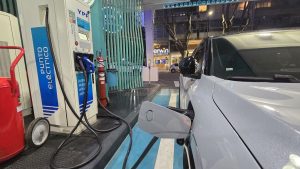
In addition, the expansion of fast-charging networks is complementing this evolution. Today, it’s possible to recover most of the battery in less than 30 minutes at ultra-fast charging stations, which reduces dependence on extremely high ranges and improves the user experience.
As a result, modern electric vehicles can now easily cover intercity trips – something considered unviable just a decade ago.
Models Available in Latin America
While many of the longest-range models are initially developed for markets like Europe, the United States, or China, several are already available or have begun to be sold in Latin American countries – especially in markets such as Brazil, Mexico, Chile, and Colombia.
Among the electric vehicles with the greatest range that can be found (or have a presence) in the region, the following stand out:
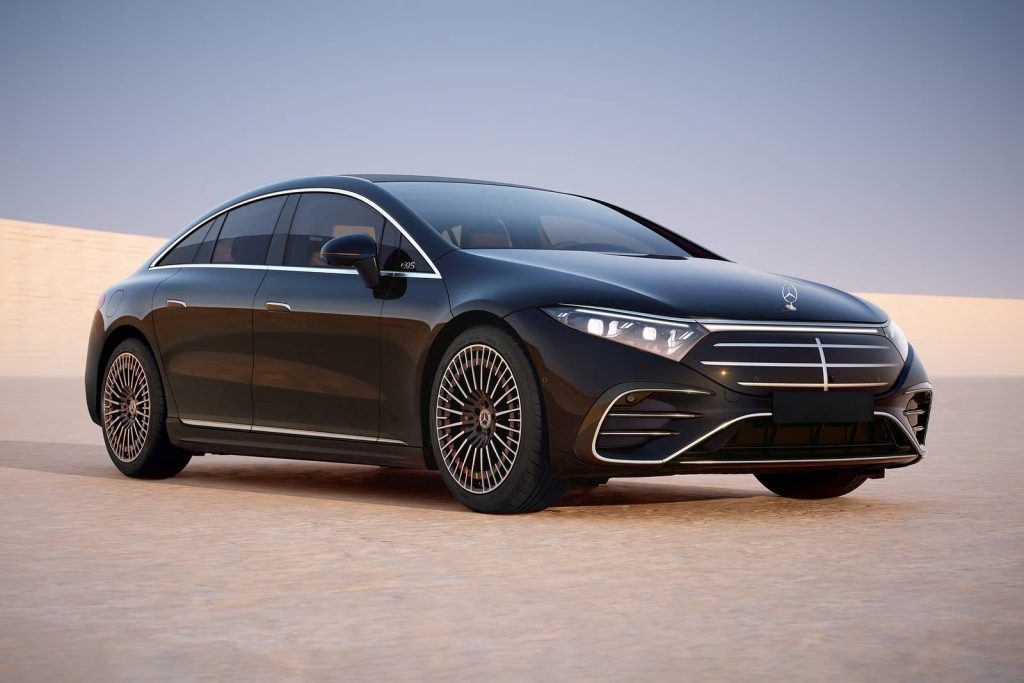
- Mercedes-Benz EQS
This luxury sedan leads the segment with a range that can reach up to 798 km (WLTP), positioning itself as one of the most advanced EVs on the global market. - BMW iX xDrive50 / xDrive60
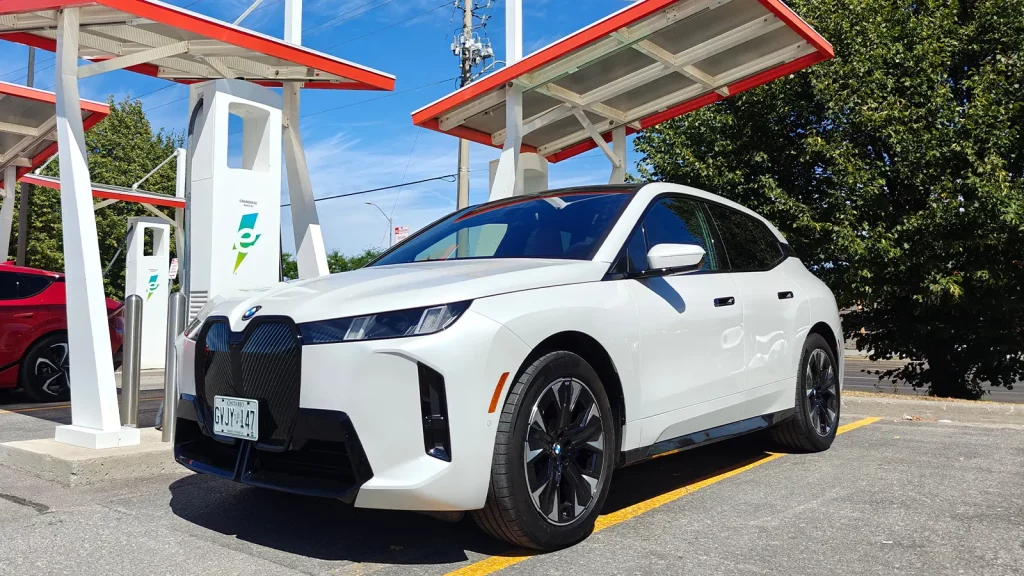
BMW’s electric SUV offers ranges between roughly 650 and 660 km, combining high performance with large battery capacity. - Hyundai IONIQ 6 (77 kWh)
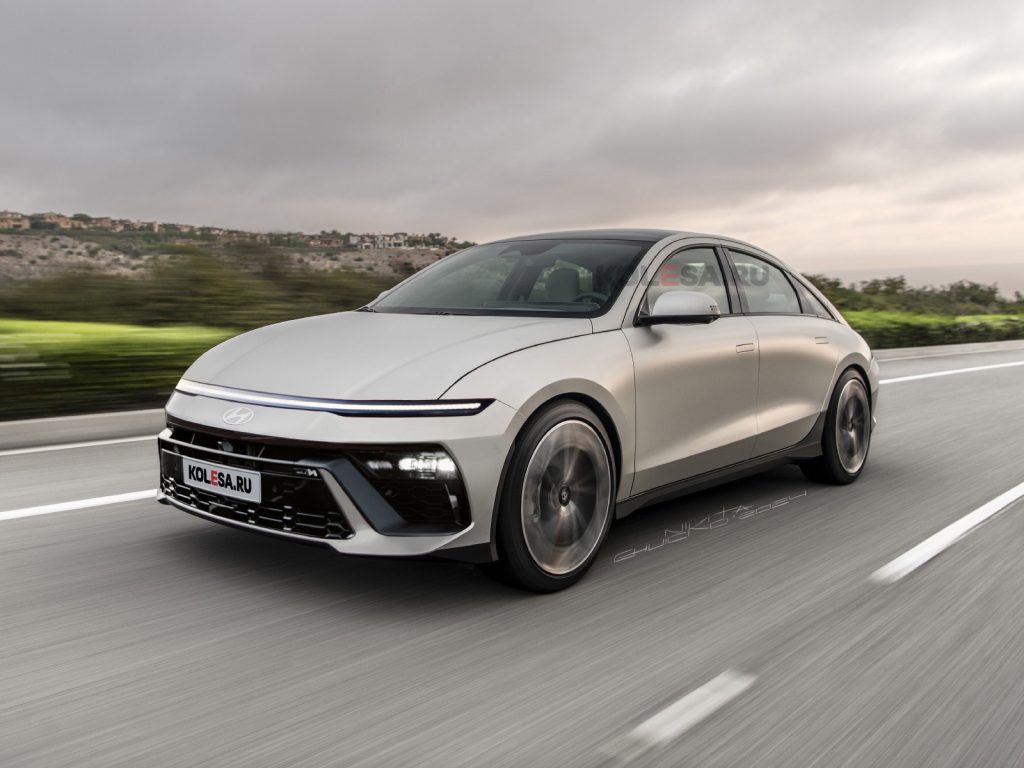
One of the most efficient models on the market, with approximately 580 km of range, standing out for its optimized aerodynamic design. - BYD Seal
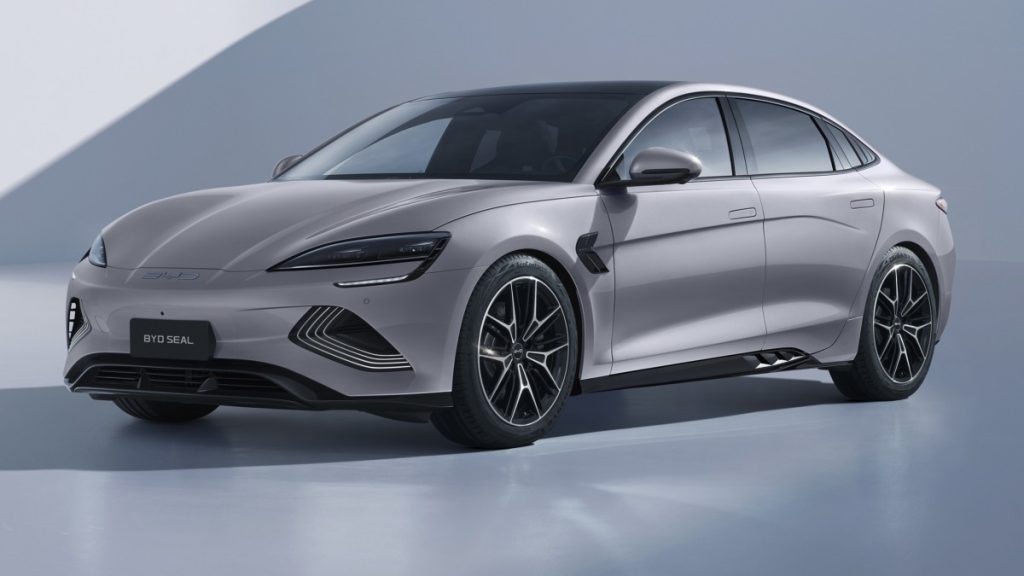
Built by Chinese giant BYD, this electric sedan has gained a strong presence in Latin America and offers around 570–580 km of range, with a competitive cost-benefit ratio. - Tesla Model 3
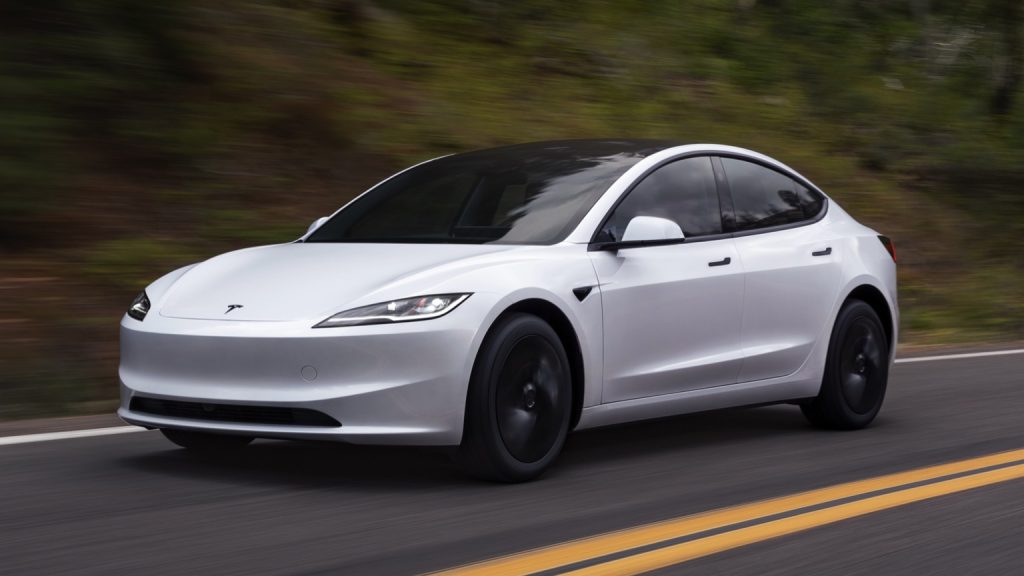
One of the most popular models worldwide, with ranges that can approach 700–750 km depending on the version, and with a growing presence in Latin American markets. - Mercedes-Benz EQE and EQS SUV
In the premium segment, these models offer ranges exceeding 550 km, expanding the luxury EV offering in the region.
Between Growth and Challenges
The Latin American electric vehicle market is expanding rapidly, although it faces structural challenges. Range is no longer the main obstacle; instead, factors such as charging infrastructure, tax incentives, and upfront costs continue to condition adoption.
Nevertheless, the arrival of Asian manufacturers – especially Chinese ones – is democratizing access to models with good range at more competitive prices, accelerating EV penetration in the region.
In addition, some countries have begun implementing public policies aimed at transportation electrification, including tax benefits and the development of charging corridors.
Projections indicate that range will continue to increase in the coming years, with models that could exceed 900 kilometers under optimal conditions, especially in premium segments.
However, experts agree that the future will not depend solely on larger batteries, but on a balance between range, charging infrastructure, and energy efficiency.
In this context, electric mobility in Latin America is moving toward a consolidation phase, where range ceases to be a limitation and becomes just another competitive attribute within an increasingly diverse and technological offering.
The Agenda to Decarbonize Transport
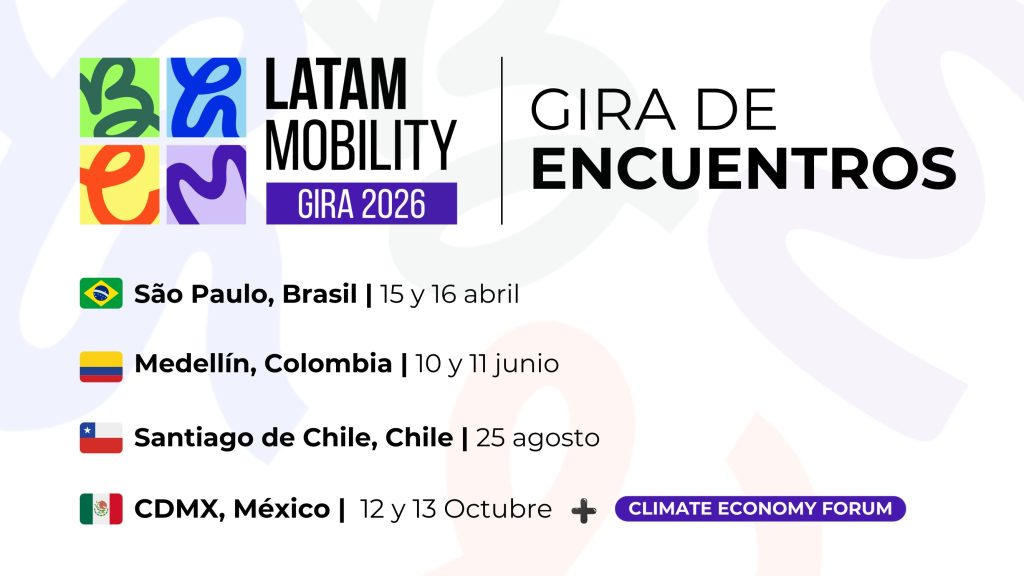
Latam Mobility promotes dialogue among the main players in the sector throughout its 2026 tour, which will visit the region’s key markets to delve deeper into these and other crucial issues for the transformation of mobility.
The Latam Mobility 2026 Tour will travel through some of the region’s most dynamic cities, Mexico City, Brazil, Colombia, and Chile, establishing itself as a unique space to connect the ideas, projects, and leaders who are transforming mobility and the climate economy in Latin America.
The transition is already underway. The 2026 Latam Mobility Tour will be the gathering point to accelerate decisions, connect key players, and collaboratively build sustainable mobility for Latin America.