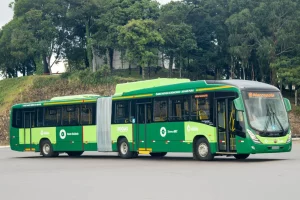




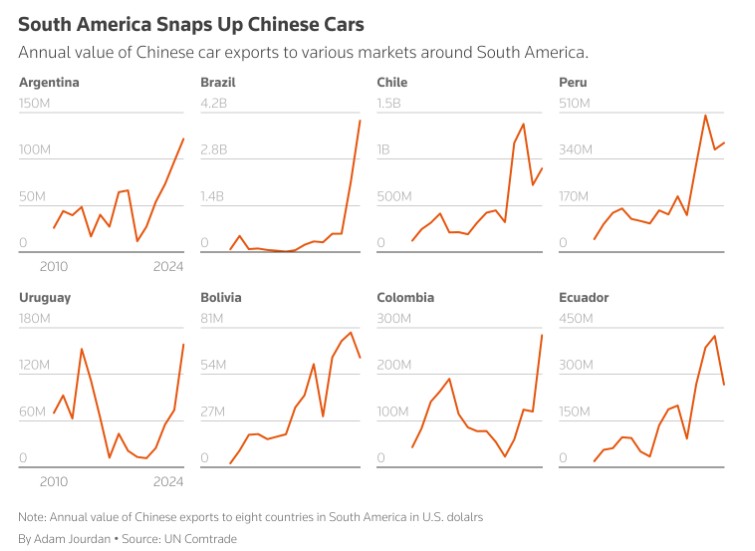
Electromobility in Latin America is undergoing a decisive phase of growth and consolidation. According to a recent analysis by Reuters, South American markets are experiencing sustained growth in sales of electric and electrified vehicles, driven mainly by the arrival of Chinese manufacturers, greater availability of models, and increasingly competitive prices.
This process is occurring in parallel with the absence of some traditional global players, such as Tesla, which has opened up space for new industrial leaders and accelerated the maturation of the regional electromobility ecosystem.
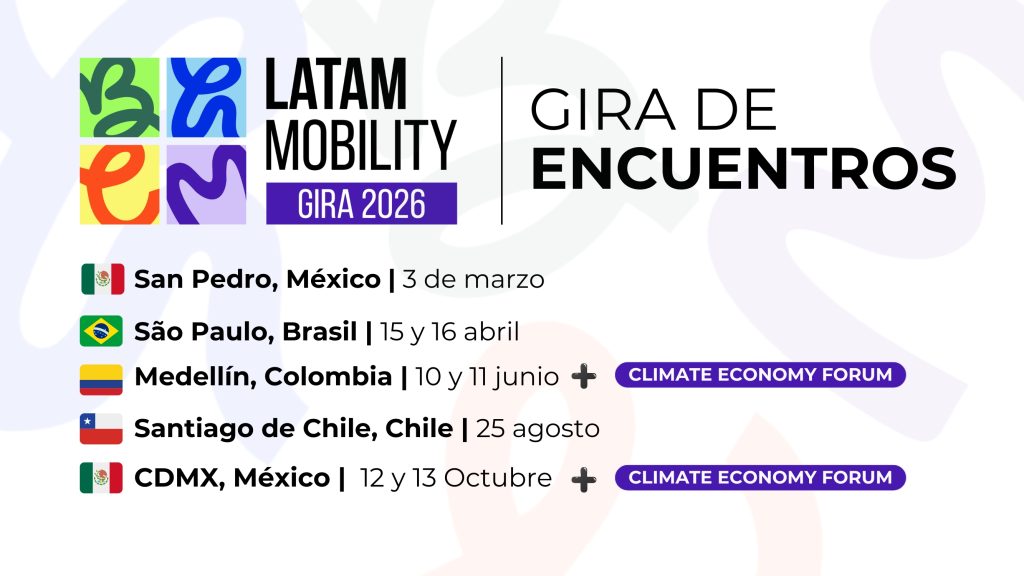
You may also be interested in | Electrification, data, and alliances: Latam Mobility promotes the mobility of the future in its “2026 Tour”
Access, Scale, and Competitiveness
One of the key factors in the advancement of electromobility in the region is the democratization of supply.
Brands such as BYD, Geely, Chery, and Great Wall Motors have significantly expanded the portfolio of electric and hybrid vehicles available in countries such as Chile, Uruguay, Brazil, Peru, and Argentina, with prices significantly lower than the premium models that marked the first stage of the market.
This context has allowed electric mobility to move beyond being a niche market and begin to scale up to mass segments, both in corporate fleets and among private users.
In Peru, for example, sales of hybrid and electric vehicles grew 44% year-on-year in the first nine months of the year, reaching a historic record. Market growth cannot be explained solely by demand, as logistics infrastructure has become a strategic enabler.
The entry into operation of the port of Chancay in Peru is redefining vehicle import routes from Asia and positioning the country as a key regional distribution hub.
This new logistics corridor reduces transport times and costs, facilitates the entry of large volumes of electric vehicles, and strengthens the integration of South American markets, accelerating the adoption of low-emission technologies.
Advanced Markets and Signs of Maturity
Brazil occupies a central place in the strategy of Chinese manufacturers. In addition to receiving large volumes of imported vehicles, the country is moving towards local production: BYD and GWM have already started industrial operations in former Ford and Mercedes-Benz plants, anticipating tariffs on electric vehicle imports, which will reach 35% in 2026.
In Chile, Chinese brands already account for nearly 30% of new vehicle sales, while the share of electric vehicles reached historic highs in 2025.
Argentina, despite a more restrictive economic context, is also beginning to join this dynamic. BYD entered the country in October 2025, with expectations of replicating, in the medium term, the adoption levels observed in Brazil.
Uruguay, for its part, has one of the highest penetration rates in the region, with electric vehicles available from $19,000 and growing adoption in both fleets and the private market.
Despite this growth, the transition to zero- and low-emission mobility faces challenges common to the region: uneven charging infrastructure, long distances, heterogeneous regulatory frameworks, and the need for greater public-private coordination.
At the same time, the expansion of electromobility is generating new business and investment opportunities in sectors such as energy, infrastructure, financing, real estate, urban logistics, and technological solutions, consolidating an increasingly interconnected ecosystem.
Latam Mobility’s 2026 Tour: The Place to Understand and Accelerate the Transition
In this context of regional transformation, Latam Mobility invites you to be part of the 2026 Meeting Tour, a key platform for in-depth knowledge of market developments, technological trends, business models, and investment opportunities that are defining the future of sustainable mobility in Latin America.
The tour will visit the region’s main markets: Monterrey and Mexico City, Brazil, Colombia, and Chile. Throughout these meetings, leaders from the public and private sectors, companies, investors, and international experts will analyze the present and future of electric mobility, technological innovation, infrastructure, energy, and the climate economy.
The transition is already underway. Latam Mobility’s 2026 Tour will be the meeting point to accelerate decisions, connect key players, and collaboratively build sustainable mobility in Latin America.