



During Geotab Connect 2026, held from February 10-12 in Las Vegas (USA), the global leader in telematics and fleet management unveiled a series of product launches and technological advancements that reflect the industry’s evolution toward smarter, more connected systems capable of generating immediate operational value for businesses and fleet managers.
The event, considered one of the most important in the sector, placed special emphasis on the convergence of data, artificial intelligence (AI), and new generations of telematics devices.
You might also be interested in | Study: Fast Charging Does Not Harm Electric Vehicle Battery Lifespan
New GO and Plus Devices
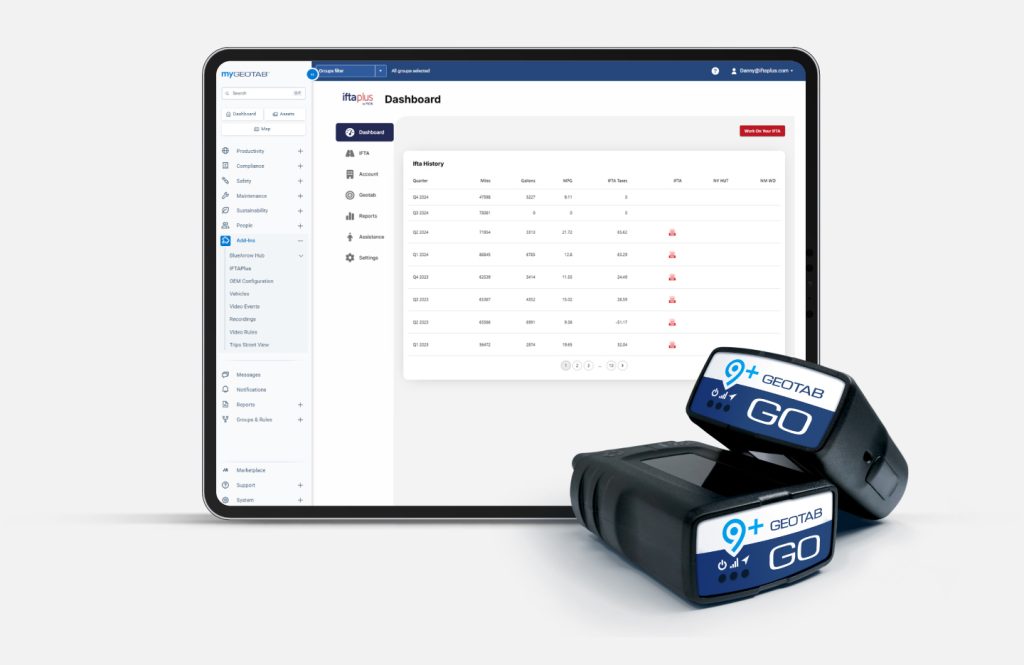
Among the main announcements, Geotab introduced the next generation of GO and GO Plus telematics devices, designed with an architecture featuring greater processing capacity and highly accurate data collection.
This new hardware family captures and transmits critical vehicle and fleet operation data, transforming it into actionable information to improve efficiency, safety, and real-time decision-making.
The GO Plus has been specifically optimized to support more complex AI models directly on the device, facilitating the evolution and adoption of future innovations in telematics.
Another standout announcement during the event was the launch of “GO Anywhere” asset trackers, which incorporate hybrid mobile and satellite connectivity, including Starlink Direct To Cell in the GO Anywhere Plus model.
This solution enables asset visibility and management even in remote areas where traditional cellular networks are limited or nonexistent, providing continuous coverage at a significantly lower cost than conventional satellite solutions.
This innovation is particularly useful for sectors such as construction, remote logistics, and high-value equipment management, where lack of connectivity can lead to significant operational losses.

AI Redefines Fleet Telematics
In addition to hardware devices, the Geotab Connect conference underscored the importance of artificial intelligence as a driving force transforming the telematics sector.
According to official statements, the company is advancing a focus centered on high-quality data and comprehensive operational information coverage to power reliable AI models applicable to day-to-day fleet operations.
Under this vision, AI will not only generate reports but will begin executing tasks, identifying risks, prioritizing actions, and supporting strategic decisions directly from the platform.
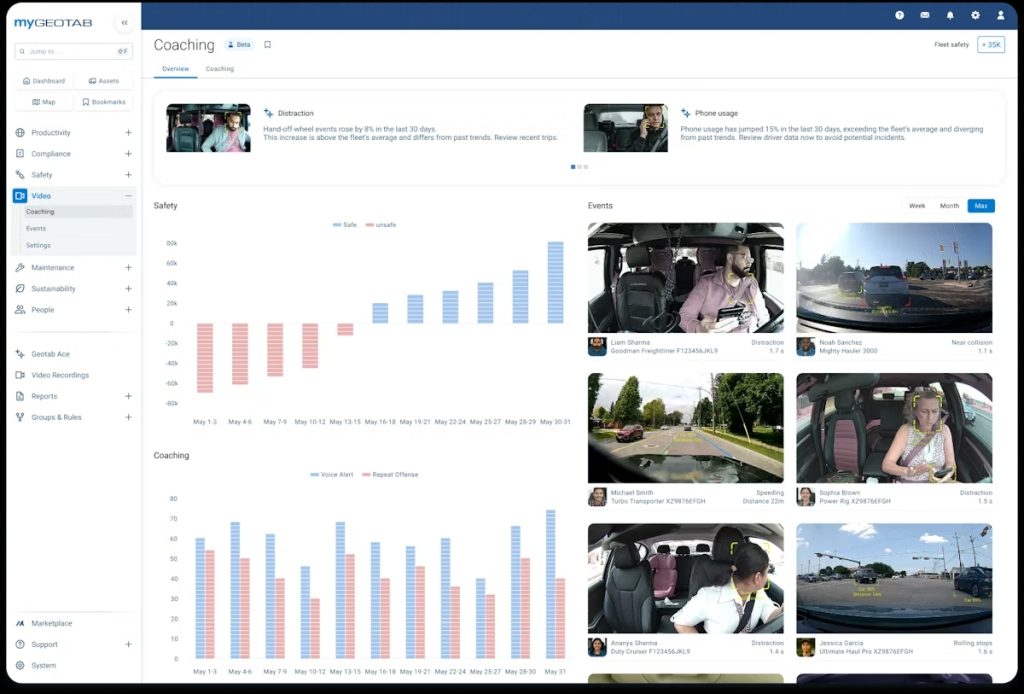
One tool exemplifying this vision is Geotab Ace, an AI-powered assistant available to all customers, which allows users to interact with platform data using natural language and receive instant responses about safety metrics, utilization, performance, and other key indicators without needing to generate manual reports.
The Future of Fleet Management
The announcements and presentations at Connect 2026 reinforce Geotab‘s commitment to establishing telematics as a central infrastructure in modern transportation and logistics operations.
“Fleets are under pressure, with rising costs, tighter margins, and increasing complexity. The GO device family has been designed to meet that challenge,” said Raymond Dikun, Vice President of Hardware Product Platform and Connectivity at Geotab.
“The family includes more ready-to-use functionalities, so customers don’t need to add hardware or create custom configurations to get what they need. It’s a simpler way to manage complexity and keep businesses moving forward,” he explained.
Collectively, the launches—including the new GO and GO Plus devices, GO Anywhere trackers with satellite connectivity, and strategic support for artificial intelligence—mark a milestone in the telematics industry’s evolution toward smarter, safer systems prepared to tackle the challenges of future fleets.
2026: Moving Towards Electric Mobility
Rather than ambitious announcements, 2026 will be a year for measuring results. Electric and low-emission mobility will no longer be evaluated by the number of pilot projects but will be judged by its ability to operate at scale, reduce real emissions, and improve the quality of urban life.
For Latin America, the challenge will be to capitalize on its experience in electric public transportation, close infrastructure gaps, and build stable policies that allow the transition to be not only green but also inclusive and economically viable.
With the 2026 Tour, Latam Mobility reaffirms its commitment to building a regional agenda that connects vision, public policy, innovation, and the market.
Through its stops in Monterrey and Mexico City, Brazil, Colombia, and Chile, the platform will continue to promote a collaborative approach to accelerate the transition to cleaner, more efficient, and more inclusive transportation systems, positioning Latin America as a relevant player in sustainable mobility at the global level.
Be part of the movement that is accelerating Latin America’s energy and urban transformation. If you would like to learn more about how to participate and positioning options, click here.