



Bogotá faces a growing challenge in its drive toward sustainable mobility. Then capital of Colombia has seen a rapid increase in the purchase of electric and plug-in hybrid vehicles in recent years.
However, the public charging infrastructure has not yet kept pace with this growth, leading to congestion at charging points and concerns among owners and authorities about the ability to meet current and future demand.
Data published by El Tiempo shows that Bogotá has seen remarkable growth in the registration of vehicles with clean technologies.
During 2025, the number of hybrid and electric vehicles registered in the city increased by 67.3% compared to the same period in 2024, reflecting growing interest among drivers in this new generation of cars.
This increase comes in a context where tax benefits and sustainability policies, including incentives such as vehicle tax exemptions, the elimination of peak and plate restrictions, and other incentives, have made the purchase of these types of vehicles more attractive in the Colombian capital.
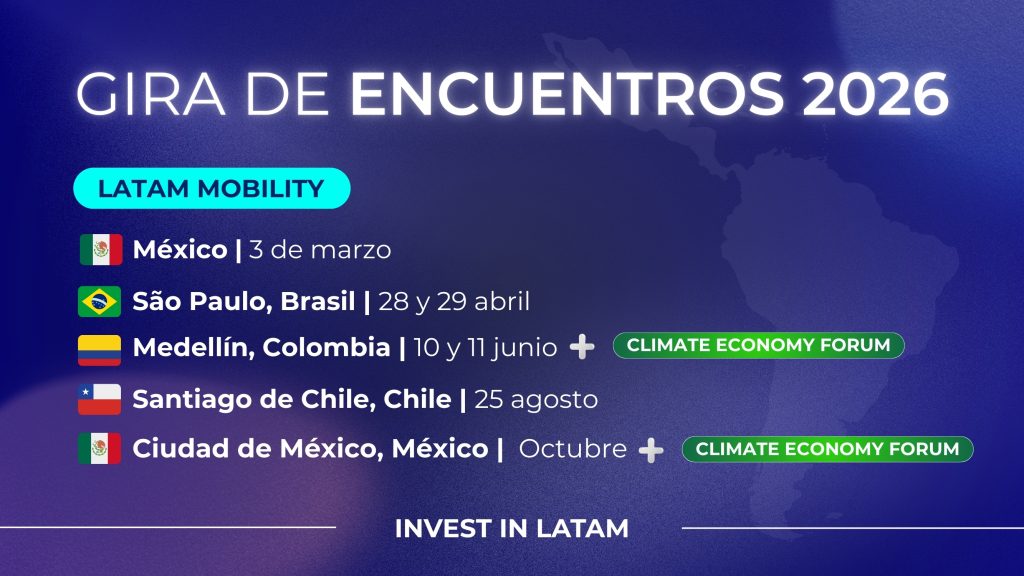
You may also be interested in | Electrification, data, and partnerships: Latam Mobility promotes the mobility of the future in its “2026 Tour”
Insufficient Infrastructure to Meet Demand
Despite progress in the adoption of electric mobility, Bogotá still has a ratio of one charger for every 125 hybrid and electric vehicles, a ratio that, for experts and users, represents a significant bottleneck for the effective consolidation of this technology in urban transport.
Currently, the city has about 260 chargers of different standards installed in approximately 100 locations, operated by various private and public actors.
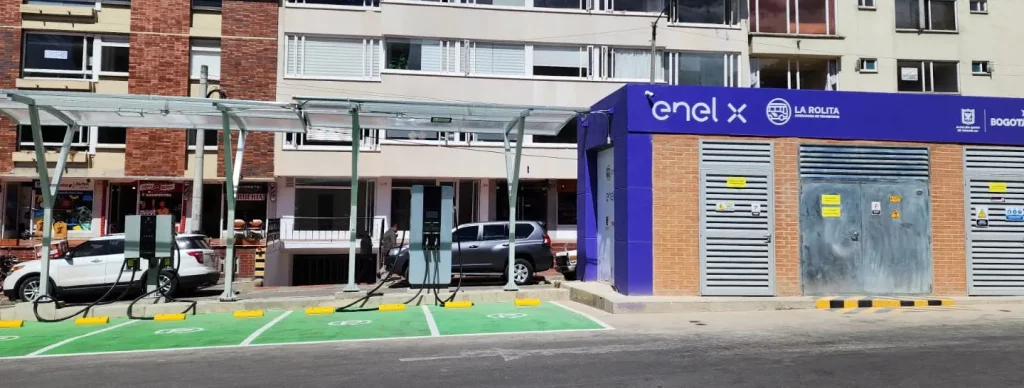
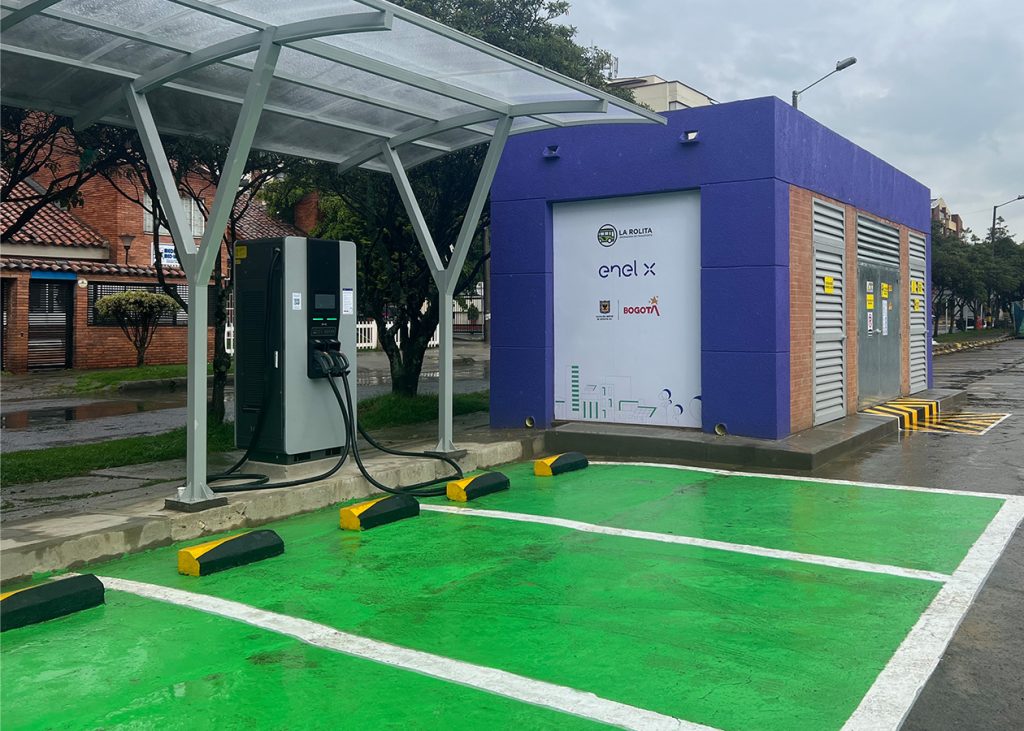
However, only six stations are part of the public network, under the administration of the La Rolita District Transport Operator in collaboration with Enel X, while most charging points are concentrated in private areas such as shopping centers, dealerships, and private parking lots.
This asymmetrical distribution means that many drivers face long queues to access available charging points, especially in the northern and eastern sectors of the city, where most of the infrastructure is concentrated.
Technical Progress and Challenges
The District Mobility Secretariat, together with La Rolita and companies such as Enel Colombia, has implemented projects to expand the public charging network.
In December 2023, the first network of public chargers with fast chargers was inaugurated in six strategic areas of the city, with an investment of more than 6 billion pesos, marking an important step in the Zero and Low Emissions Mobility Public Policy.
Despite this progress, technical challenges remain. For example, with the arrival of new brands such as Tesla in Bogotá, current stations do not have all the fast-charging adapters needed for vehicles imported from the United States, forcing authorities and operators to adjust existing connection standards.
In addition to the insufficient number of charging points, authorities and organizations in the sector have identified other significant barriers to accelerating the implementation of charging infrastructure in Bogotá and Colombia in general.
A report by the Latin American Energy Organization (Olade) on sustainable mobility in the region highlights the lack of charging stations and robust electrical networks as one of the main obstacles to sustaining the growth of the electrified vehicle fleet.
At the national level, the Ministry of Mines and Energy is working on proposals to standardize the interoperability of charging stations so that chargers are compatible with each other and with different models of electric and hybrid vehicles, which could facilitate the expansion of the network and the adoption of new technologies.
Towards Mobility with a Long-Term Vision
The city of Bogotá, within the framework of its Zero and Low Emissions Mobility Public Policy, has set ambitious goals aimed at transitioning its vehicle fleet to clean technologies.
This roadmap proposes that, starting in 2032, only zero- and low-emission private vehicles will be registered, and by 2040, only zero-emission cars are expected to be registered in the capital.
To achieve these objectives, experts agree that it will be essential not only to increase the number of charging points, but also to improve their geographical distribution, technical standards, and integration with the urban electricity grid.
Likewise, it is considered key to coordinate actions between the public and private sectors to ensure sustainable investments that will meet the projected demand for the coming years.
At this time, while Bogotá is experiencing an electric mobility boom, the challenge of expanding the infrastructure is a fundamental part of not only ensuring the comfort of current users, but also consolidating the city as a benchmark for sustainable mobility in Latin America.
Platform for the Mobility of the Future
With the 2026 Tour, Latam Mobility reaffirms its commitment to building a regional agenda that connects vision, public policy, innovation, and the market.
Through its stops in Monterrey and Mexico City, Brazil, Colombia, and Chile, the platform will continue to promote a collaborative approach to accelerate the transition to cleaner, more efficient, and more inclusive transportation systems, positioning Latin America as a relevant player in sustainable mobility at the global level.
Be part of the movement that is accelerating Latin America’s energy and urban transformation. If you would like to learn more about how to participate and positioning options, click here.