


Brazil is consolidating a decisive push in the domestic production of electric buses and chassis for public transport, with significant investments, expansion of industrial plants, and strategies aimed at transforming urban mobility toward low-emission models.
This expansion positions the country as a candidate to become the leading producer and operator of electric bus fleets in Latin America by the end of 2026, especially in high-density markets such as São Paulo.
You may also be interested in | Carbon Tracker: Brazil Could Save Up to US$250 Billion by Accelerating Transport Electrification
Industrial Expansion
One of the most recent milestones in the evolution of electromobility in Brazil is the planned expansion by BYD, one of the world’s largest manufacturers of electric vehicles.
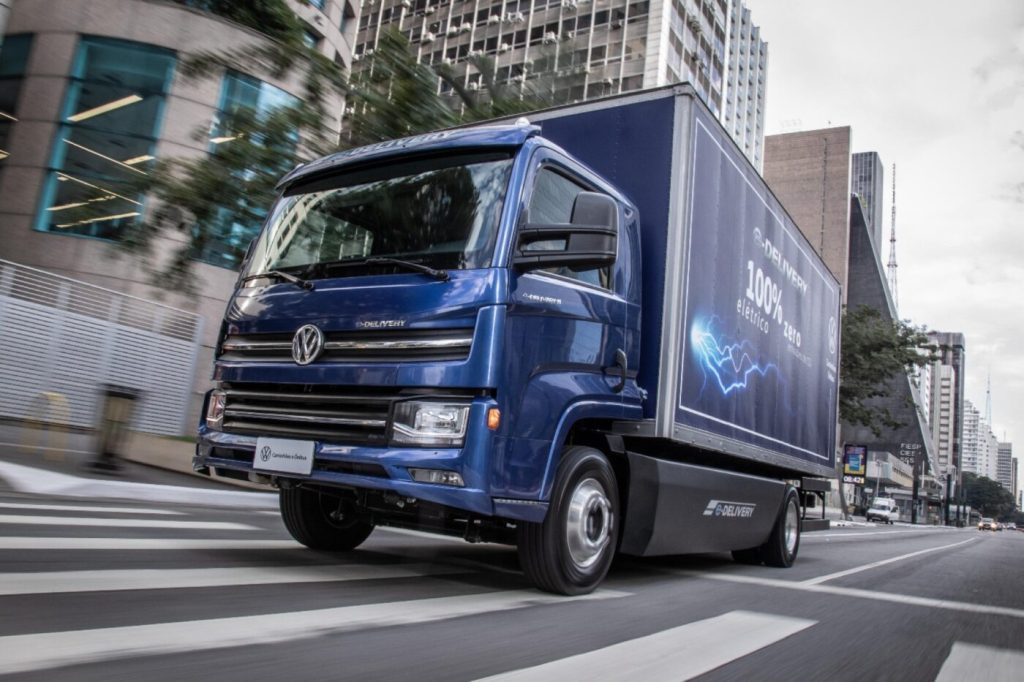
The company announced that it is planning a new factory in Brazil to produce electric buses and electric trucks, with the aim of increasing production to between 6,000 and 7,000 units per year once it is operational.
This project comes in response to strong demand that has filled the country’s existing production capacity, and the new plant will be a key component in serving both the domestic market and potential export demand in South America.
The factory planned by BYD is part of a broader strategy that responds to growing orders not only from public operators but also from private urban fleets, demonstrating the transformation of the transportation segment toward zero-emission solutions.
National Companies Lead the Way
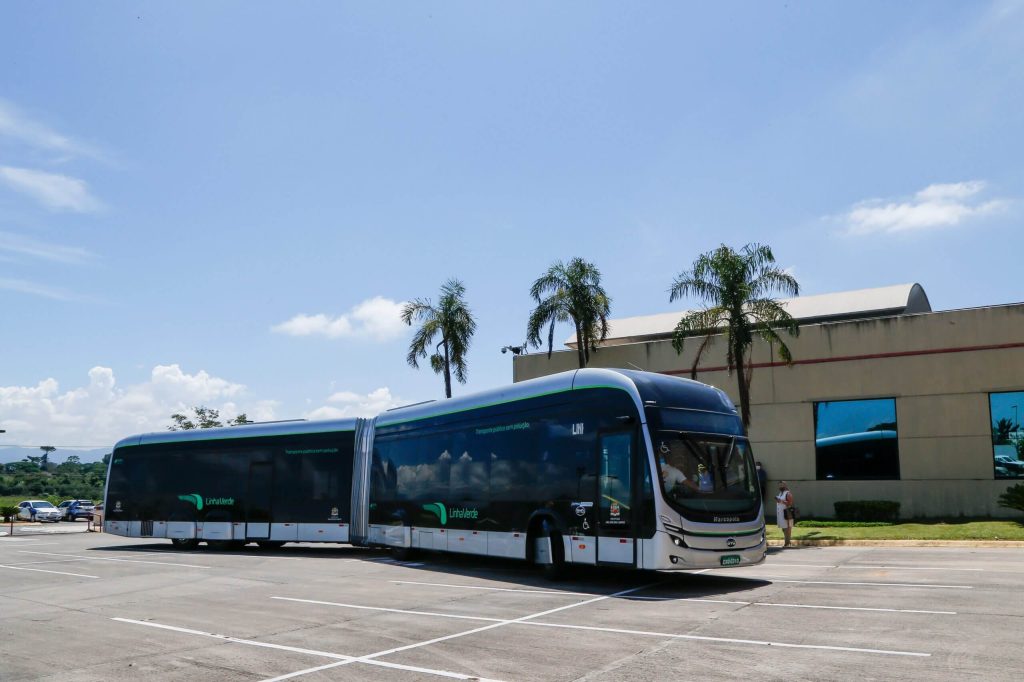
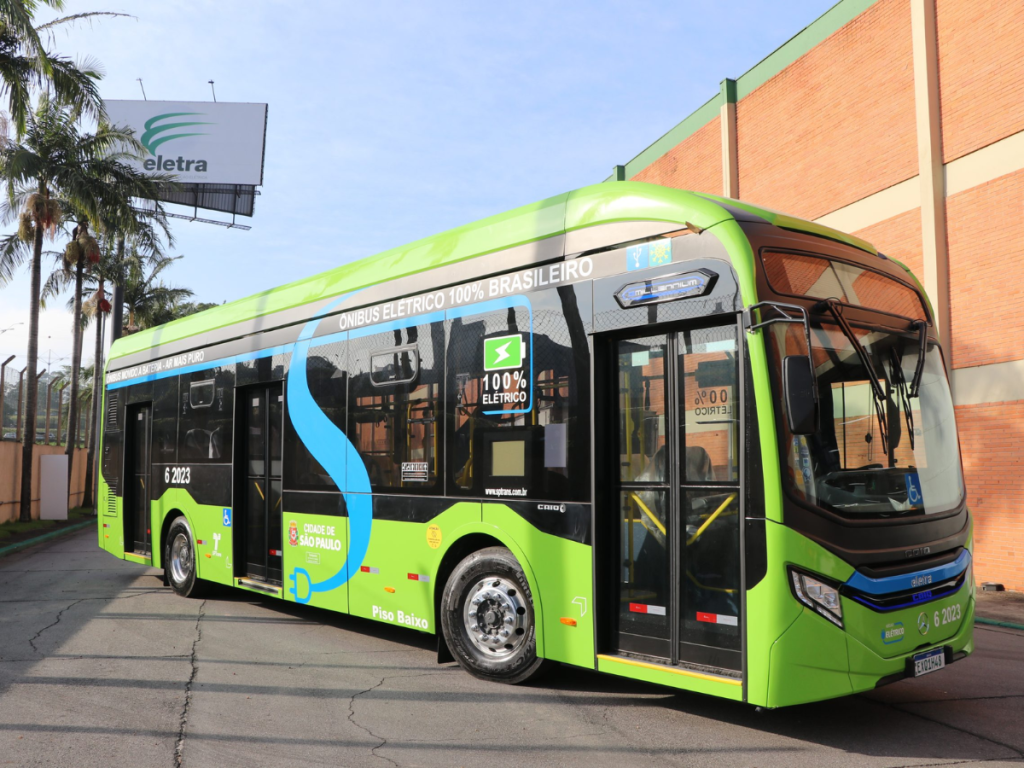
Parallel to BYD‘s development, Brazilian company Eletra has consolidated its position as one of the leading manufacturers of electric buses in the country.
Between 2022 and November 2025, Eletra went from being an emerging presence to dominating a significant share of the domestic market, especially in the city of São Paulo, where it has the largest number of units in urban fleets.
To maintain this pace, Eletra confirmed an investment of around R$40 million to expand local chassis production, increasing its manufacturing capacity from 1,800 to 3,000 vehicles per year.
These types of investments reinforce Brazil‘s commitment to a strong local heavy electric vehicle industry, capable of meeting the demands of municipalities and public transport operators and competing with imports in a region where transport electrification is increasingly a priority.
Manufacturers’ Strategies in Brazil
In addition to the advances made by BYD and Eletra, other players in the automotive industry have joined forces to introduce electric bus technologies in Brazil.
Volkswagen Truck & Bus began delivery of its first electric buses, known as e-Volksbus, in São Paulo, marking an important step toward the introduction of electrified models in urban fleets.
This initial series comprises around 100 units of the e-Volksbus 22L model, designed for urban services with a capacity for more than 80 passengers, and deliveries will continue in 2026 to various transport operators.
The entry of long-standing manufacturers in the country with electric solutions reinforces Brazil‘s industrial transition towards low-emission technologies, in line with environmental commitments and public transport electrification goals.
Public Priority
The push for the production and adoption of electric buses in Brazil is happening in parallel with public policies aimed at electrifying public transport fleets and reducing polluting emissions from heavy vehicles.
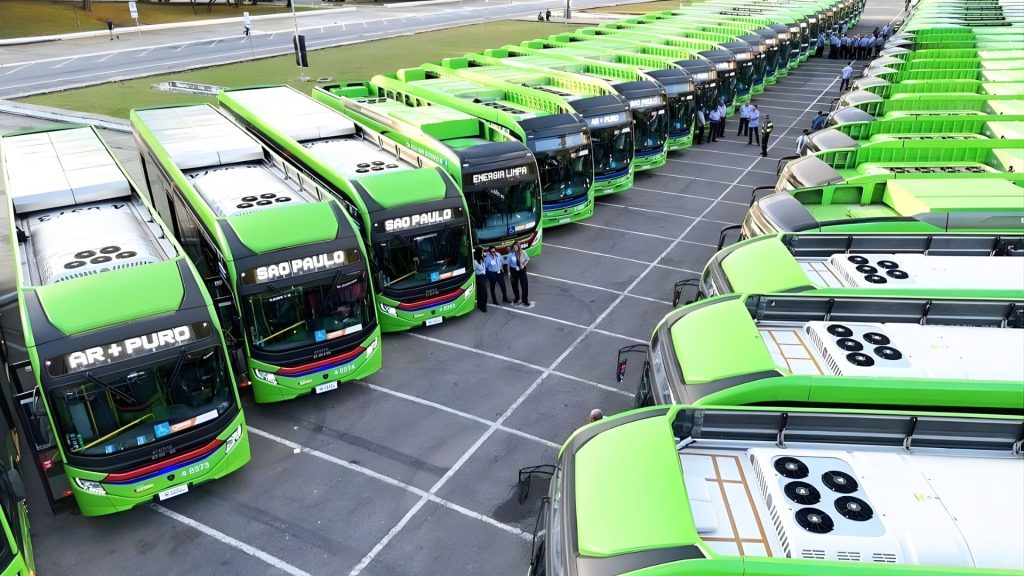
For example, major cities such as São Paulo have established plans to progressively replace diesel buses with electric models and have even secured financing to expand their electric bus network, consolidating their leadership in sustainable mobility policies in Latin America.
In addition, regional commitments between Brazil and other countries, such as Mexico, to allow only the sale of zero-emission medium- and heavy-duty vehicles by 2040, with an interim target of at least 30% of new sales by 2030, have created a regulatory environment that favors the expansion of clean technologies in public transportation.
Regional Projection and Leadership
Data and industrial investments suggest that Brazil is on track to surpass other Latin American markets such as Chile and Mexico in the size of its electric bus fleet by the end of 2026.
The growth in local production, both of chassis and complete units, together with the incorporation of electric vehicles by public and private operators, shapes a development model that combines the strength of industry with environmental and urban sustainability objectives.
This emerging leadership in mass electromobility strengthens Brazil‘s position not only as a market for the adoption of clean technologies, but also as a regional production center for low-emission transportation solutions, bringing innovation, employment, and competitiveness to the automotive sector.
2026 as a Year of Consolidation
Rather than ambitious announcements, 2026 will be a year for measuring results. Electric and low-emission mobility will no longer be evaluated by the number of pilot projects but will be judged by its ability to operate at scale, reduce real emissions, and improve the quality of urban life.
For Latin America, the challenge will be to capitalize on its experience in electric public transportation, close infrastructure gaps, and build stable policies that allow the transition to be not only green but also inclusive and economically viable.
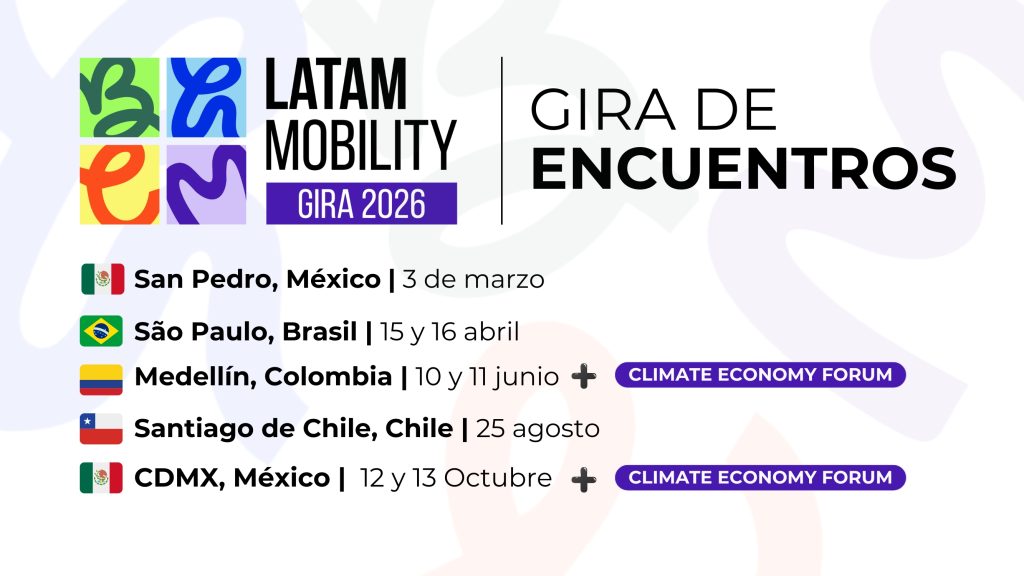
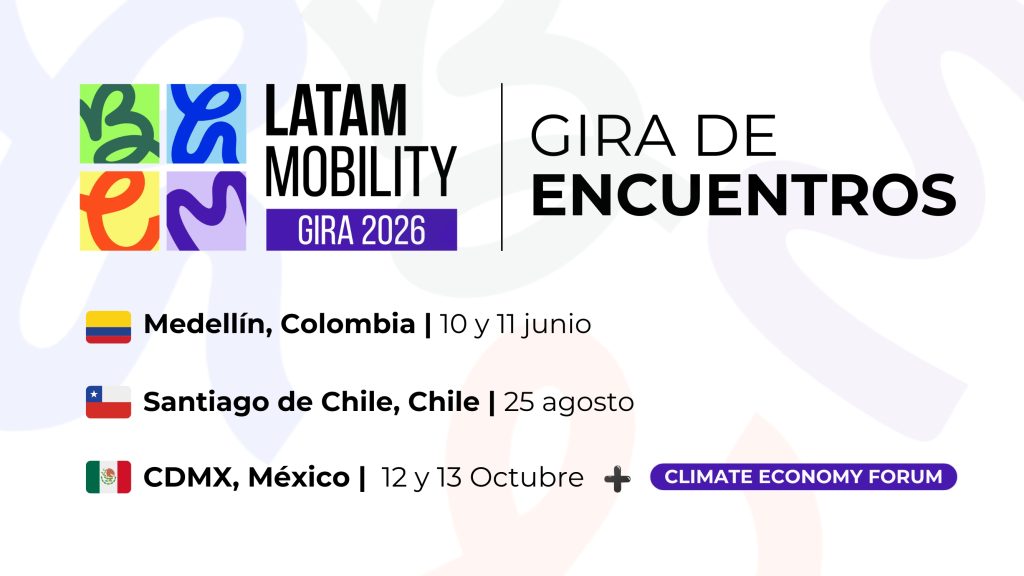
With the 2026 Tour, Latam Mobility reaffirms its commitment to building a regional agenda that connects vision, public policy, innovation, and the market.
Through its stops in Monterrey and Mexico City, Brazil, Colombia, and Chile, the platform will continue to promote a collaborative approach to accelerate the transition to cleaner, more efficient, and more inclusive transportation systems, positioning Latin America as a relevant player in sustainable mobility at the global level.
Be part of the movement that is accelerating Latin America’s energy and urban transformation. If you would like to learn more about how to participate and positioning options, click here.