



Brazil’s automotive market reached a new milestone in energy efficiency after the update of the Brazilian Vehicle Labeling Program (PBEV), released on March 2, 2026 by the National Institute of Metrology, Quality and Technology (Inmetro).
The latest report shows that some fully electric cars sold in Brazil can travel one kilometer for less than 10 Brazilian cents, highlighting the operational cost advantage of electric vehicles compared with traditional internal combustion models.
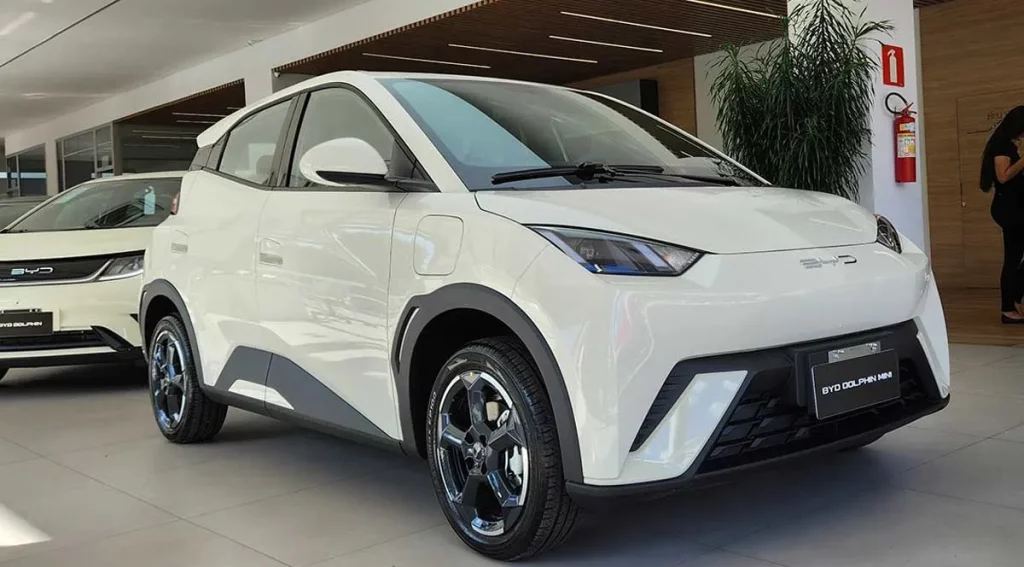
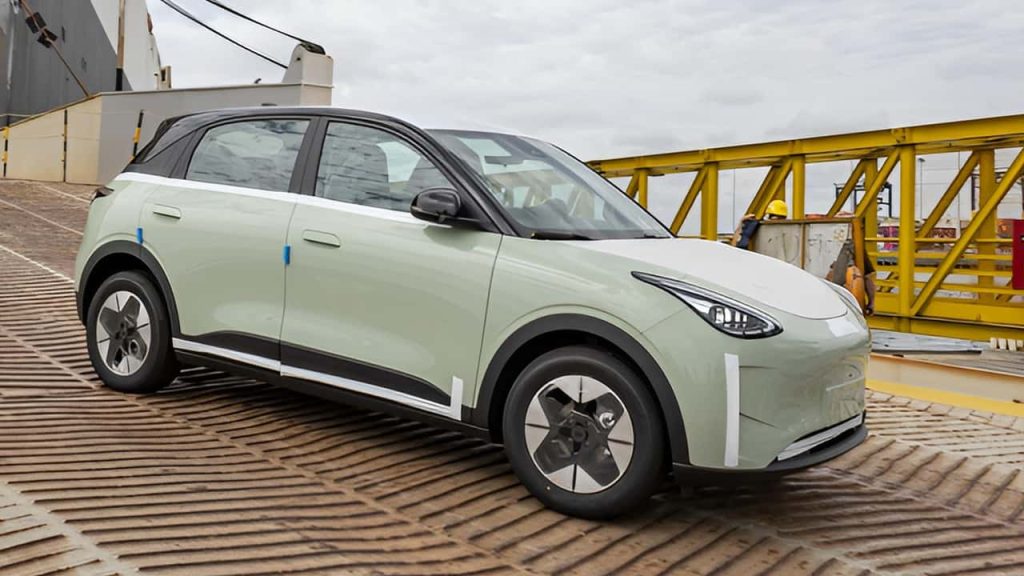
Among the most efficient electric cars in Brazil are the BYD Dolphin Mini and the Geely EX2, which top the national ranking with an energy consumption of 0.39 megajoules per kilometer (MJ/km). This is the lowest value recorded among the 794 models and versions evaluated by the government program.
The PBEV is a Brazilian government initiative that evaluates vehicle energy efficiency and emissions using a standardized methodology, allowing direct comparisons between electric vehicles, hybrids and combustion-engine cars available in the market.
You may also like | São Paulo City Hall Launches Call for Startups Focused on Smart Cities
Cost per Kilometer: How Much Electric Cars Cost to Run in Brazil
The key indicator used by the Brazilian vehicle efficiency program is megajoules per kilometer (MJ/km), which measures the amount of energy required for a vehicle to travel one kilometer. The lower the value, the higher the efficiency.
In practical terms, a consumption rate of 0.39 MJ/km is roughly equivalent to 0.11 kilowatt-hours per kilometer (kWh/km), considering that 1 kWh equals 3.6 megajoules.
With the average residential electricity tariff in Brazil close to 0.90 Brazilian reais per kWh, the estimated operating cost of the most efficient electric cars is about 0.097 reais per kilometer.
This means that:
- Driving 100 kilometers would cost around 9.7 reais
- Driving 1,000 kilometers would cost about 97 reais
Although the final cost may vary depending on electricity tariffs, charging schedules or regional factors, the figures illustrate the significant operating cost savings of electric vehicles.
Most Energy-efficient Electric Cars in Brazil
The updated efficiency ranking includes several electric vehicles among the most efficient cars available in Brazil.
The top positions are occupied by:
- BYD Dolphin Mini (GL 5EV version)
- Geely EX2 (Max and Pro versions)
Both models recorded 0.39 MJ/km, the lowest energy consumption among all vehicles analyzed. Other highly efficient electric vehicles in the ranking include:
- BYD Dolphin
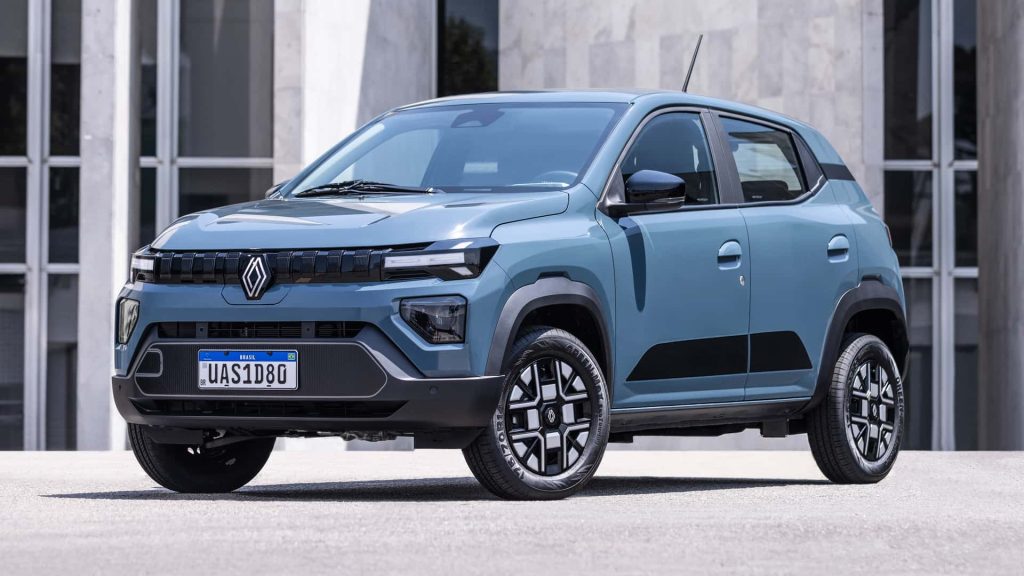
- Renault Kwid E-Tech
- MINI Cooper E
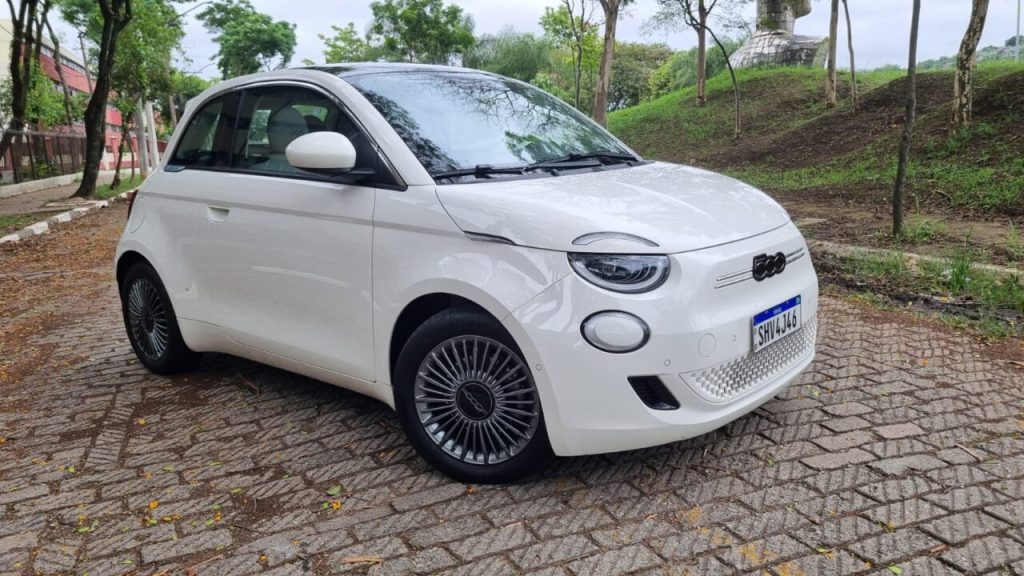
- Fiat 500e
- JAC e-JS4
- MINI Cooper SE
- Chevrolet Spark EUV
All these models have energy consumption below 0.50 MJ/km, placing them among the most efficient vehicles currently available in the Brazilian market.
Electric Vehicles vs Gasoline Cars: Cost Comparison
The economic advantage of electric cars becomes clearer when compared with gasoline vehicles.
A compact gasoline car averaging 12 kilometers per liter, which is considered efficient in its category, would have an operating cost of about 0.52 reais per kilometer.
This estimate uses the average gasoline price in Brazil reported in February 2026 by the National Agency of Petroleum, Natural Gas and Biofuels (ANP), which was 6.28 reais per liter.
Under these conditions, driving a combustion vehicle can be up to five times more expensive per kilometer than driving the most efficient electric cars in Brazil.
Although fuel prices and real-world consumption may vary depending on location, traffic conditions or driving style, the comparison highlights the growing economic advantage of electric mobility.
Brazil Expands Vehicle Efficiency Database
The 2026 update of the Brazilian Vehicle Labeling Program (PBEV) significantly expanded the scope of the database.
The system now evaluates 794 models and versions from 39 automotive brands, including multiple types of powertrains.
The database includes:
- 146 electric vehicles
- 94 plug-in hybrid models
- 94 conventional hybrids
- 246 flex-fuel vehicles
- 273 gasoline models
- 121 diesel vehicles
In addition to MJ/km, the report also includes kilometers per liter equivalent (km/le), a metric designed to allow easier comparisons between electric vehicles and combustion cars.
Using this indicator:
- The BYD Dolphin Mini reaches about 60.6 km/le in city driving and 44.4 km/le on highways
- The Geely EX2 records around 60.1 km/le in the city and 45.2 km/le on highways
New electrified vehicles entering the Brazilian market
The March 2026 update of the PBEV also incorporates new electrified vehicles recently launched or soon to be introduced in Brazil, reflecting the rapid growth of vehicle electrification in the country.
Among the newly included models are:
- Renault Koleos E-Tech Hybrid
- Toyota Yaris Cross Hybrid
- Mercedes-Benz AMG G63 Hybrid
- Porsche Cayenne Electric
The government program aims to provide greater transparency for consumers and help buyers compare the efficiency of vehicles available in the Brazilian market.
Overall, the results confirm a clear trend: electric vehicles are not only helping reduce transport emissions, but are also becoming significantly cheaper to operate on a daily basis.
The Agenda to Decarbonize Transport
Latam Mobility promotes dialogue among the main players in the sector throughout its 2026 tour, which will visit the region’s key markets to delve deeper into these and other crucial issues for the transformation of mobility.
The Latam Mobility 2026 Tour will travel through some of the region’s most dynamic cities, Mexico City, Brazil, Colombia, and Chile, establishing itself as a unique space to connect the ideas, projects, and leaders who are transforming mobility and the climate economy in Latin America.
The transition is already underway. The 2026 Latam Mobility Tour will be the gathering point to accelerate decisions, connect key players, and collaboratively build sustainable mobility for Latin America.