


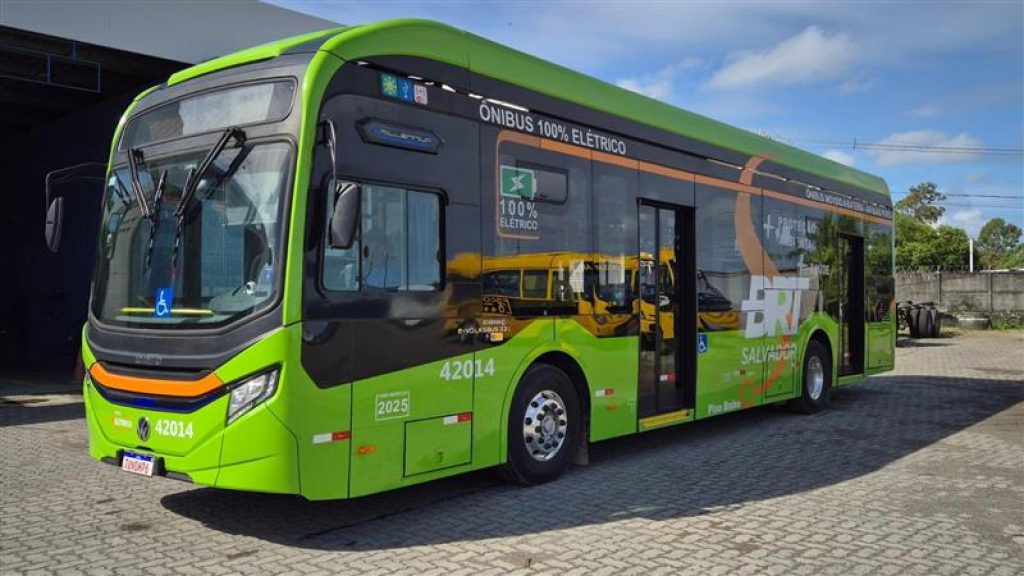
The city of Salvador in Brazil has launched a pilot program with a fully electric e-Volksbus 22L developed by Volkswagen Truck & Bus, aiming to evaluate its performance under real operating conditions on urban public transit routes.
The initiative marks an important step in local efforts to adopt sustainable mobility technologies and reduce emissions from mass transit, aligning with the environmental and air-quality goals of both the city and the country.
The pilot will run for one month and will focus on collecting key data on energy efficiency, operational range, and the adaptability of the electric bus to real-world urban transit operations.
With this initiative, Salvador joins other cities in Brazil that are actively exploring zero-emission solutions for their public transportation fleets, supporting the transition from conventional diesel vehicles to cleaner mobility alternatives.
You may also like | 360° View of Transportation: AMTM, Grupo CISA, IMT, and ZEmobility Leaders Analyze the Future of Mobility in Monterrey
Features of the e-Volksbus
The vehicle used in the program, the e-Volksbus 22L, is a 13.2-meter electric bus designed for urban transportation, with capacity for up to 82 passengers.
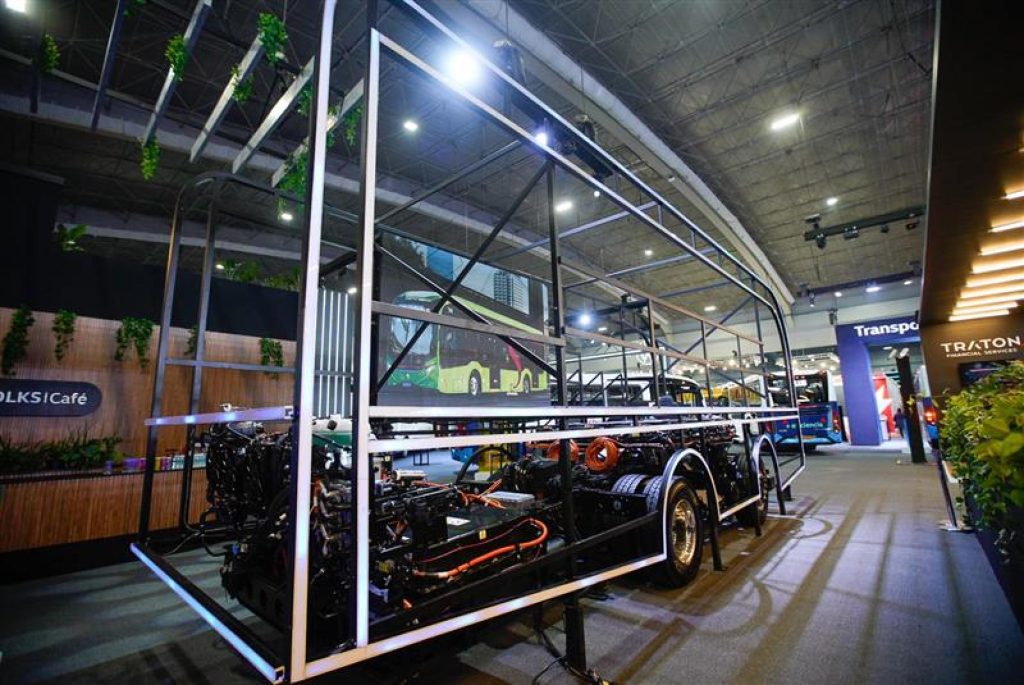
It is powered by a 280-kW electric motor and equipped with a 385-kWh battery pack, providing sufficient operational range to run complex urban routes without direct emissions.
The bus also incorporates advanced technologies such as a regenerative braking system, which recovers energy during operation, and adaptive driving modes designed to optimize energy consumption depending on traffic conditions.
These technologies represent an important step forward for sustainable transportation systems in Brazil, where local governments are seeking strategies to reduce the carbon footprint of the transport sector and accelerate the adoption of electric vehicles in both public and private fleets.
Performance evaluation in real-world conditions
During the pilot program, the bus will operate on selected routes across the city to evaluate not only its operational range, but also factors such as schedule integration, performance in real traffic conditions, and its response to varying passenger loads.
The goal is for the data collected during the pilot to support more informed decisions about how to efficiently and cost-effectively integrate large electric vehicles into public transit systems.
The results will also help guide investment strategies related to charging infrastructure, electric fleet maintenance, and operational logistics, as well as inform public policies aimed at accelerating the electrification of urban transportation.
Implications for mobility in Brazil
The initiative in Salvador not only contributes to the modernization of urban transportation but also forms part of a broader transition toward low-emission mobility systems in Brazil.
Several cities across the country are currently testing or developing similar pilot projects with electric buses, and zero-emission fleets are expected to expand in the coming years.
These initiatives align with public policies and long-term strategic plans aimed at electrifying public transport fleets and reducing the environmental impact of the transportation sector, supporting both local air-quality targets and national climate commitments.
Overall, the e-Volksbus pilot in Salvador represents a concrete step toward sustainable mobility, with the potential to deliver environmental benefits, improved quality of life for residents, and technological advances in Brazil’s public transportation systems.
A 2026 of Consolidation for Mobility
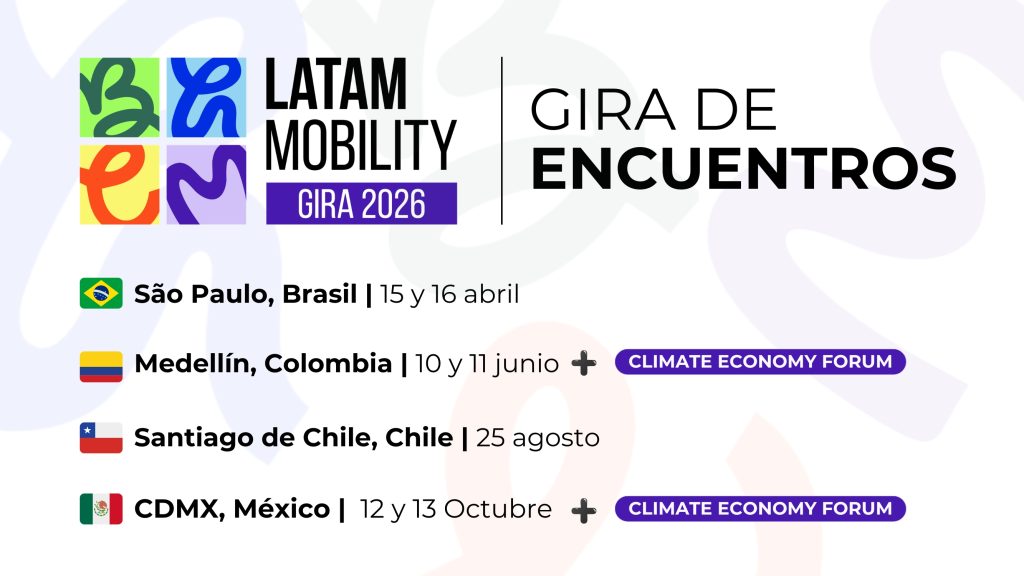
The Latam Mobility 2026 Tour continues its journey through the region, with the next meeting taking place in São Paulo, Brazil, on April 15 and 16. There, leaders from the public and private sectors will gather to analyze the progress and challenges of sustainable mobility, the electrification of transportation, and new opportunities for the energy transition in Latin America.
This event has established itself as a key platform for connecting companies, authorities, startups, and institutions that are driving innovative solutions in clean transportation, charging infrastructure, renewable energy, and new technologies for the mobility of the future.
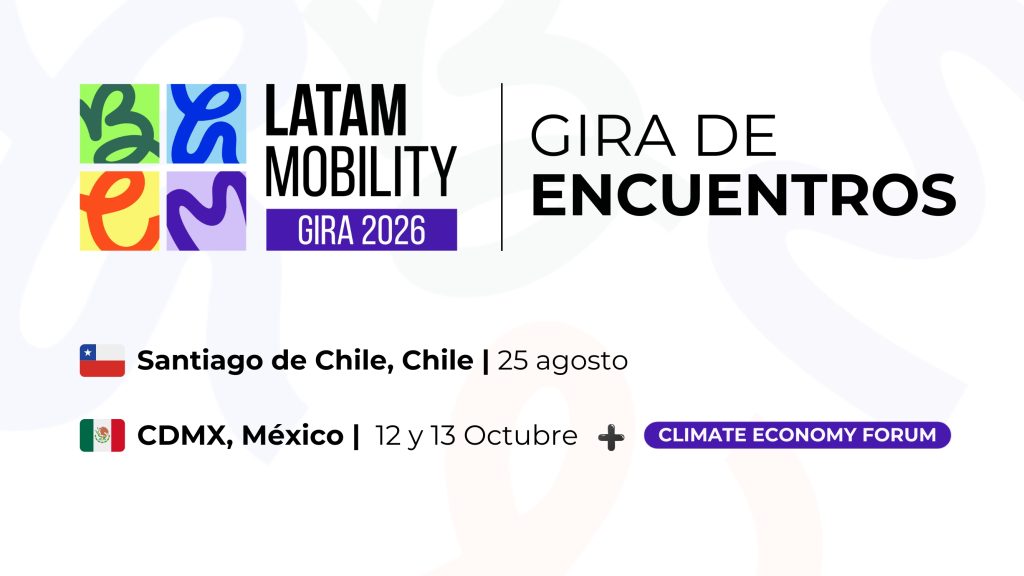
After Brazil, the tour will continue in Medellín, Colombia, on June 10 and 11, and then arrive in Santiago, Chile, on August 25, bringing together experts and strategic stakeholders to further strengthen the sustainable mobility ecosystem in the region.
The tour will conclude in Mexico City on October 12 and 13, alongside the Climate Economy Forum, at an event that will bring together industry leaders to further drive the transition to more efficient, sustainable, and low-emission transportation systems in Latin America.
The transition is already underway. The Latam Mobility Tour 2026 will be the meeting point to accelerate decisions, connect key stakeholders, and collaboratively build sustainable mobility in Latin America.