

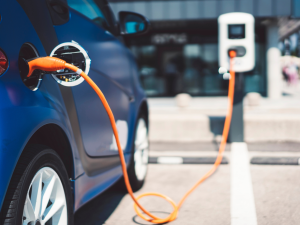

Through a draft decree currently in public consultation, the Government of Colombia, via the Ministry of Trade, Industry and Tourism, recently presented the new Transformation and Assembly Regime for Electric Vehicles (RTE-E) and the Instrument for New Industrial Projects for Plug-in Hybrid and Electric Mobility (INPIMHEL).
The main goal is to make Colombia a regional hub for sustainable production and mobility. The idea is to attract investments and strengthen the national automotive industry so the country can start assembling more electrified vehicles.
You may also be interested in: Colombia to Launch First Heavy-duty Electric Corridor: Connecting Bogotá with Barranquilla and Cartagena over 1,200 km
Benefits and Technologies Included in the New Scheme
The new instrument includes tariff benefits for companies that decide to set up new industrial plants in the country for vehicle assembly.
Companies that start operations will be able to import machinery, equipment, and specialized systems with a 0% tariff, as long as these are used in local production processes.
The proposal identifies which types of vehicles can benefit from the regime. These include plug-in hybrid vehicles (PHEV), extended-range hybrid vehicles (E-REV), battery electric vehicles (BEV), and full hybrid vehicles (FHEV).
On the other hand, mild hybrids (MHEV) are excluded from the scheme because they do not meet the electrification requirements defined in the proposal.
Quotas and Tariff Incentives
One of the most important points of INPIMHEL is the creation of annual import quotas of up to 20,000 units of electrified vehicles during 2026 and 2027. A preferential tariff of 5% will apply to these units during that period.
How are these quotas assigned? It depends on the level of certified investment by each company, compliance with environmental rules and technical standards, and commitments to integrate national auto parts and local content.
However, the inclusion of full hybrids (FHEV) in the regime has generated some debate. The law firm Paniagua & Tovar Abogados asked the Government to exclude these vehicles from the scheme. Their argument is that full hybrids still partially depend on fossil fuels, and allowing them to access the same benefits “blurs the objective of promoting zero-emission vehicles.” They also say this could reduce the quotas available for fully electric technologies.
Even so, the Government defends the inclusion of full hybrids. They classify them as a “transition technology” that fits with the gradual reduction of polluting emissions and the transformation of the country’s automotive matrix.
Public Consultation Process Open to Citizens
The draft decree is currently in the public consultation phase.
The Ministry of Trade, Industry and Tourism announced that the regulatory text has been published on its official website since May 21. Citizens and interested parties have 15 calendar days to send their comments.
That way, the Government of Colombia wants to enrich the initiative with feedback from citizens and stakeholders who care about the future of electric mobility in the country.
Comments should be sent to the following email address: comitetriplea@mincit.gov.co
The Next Big Gathering in Medellín
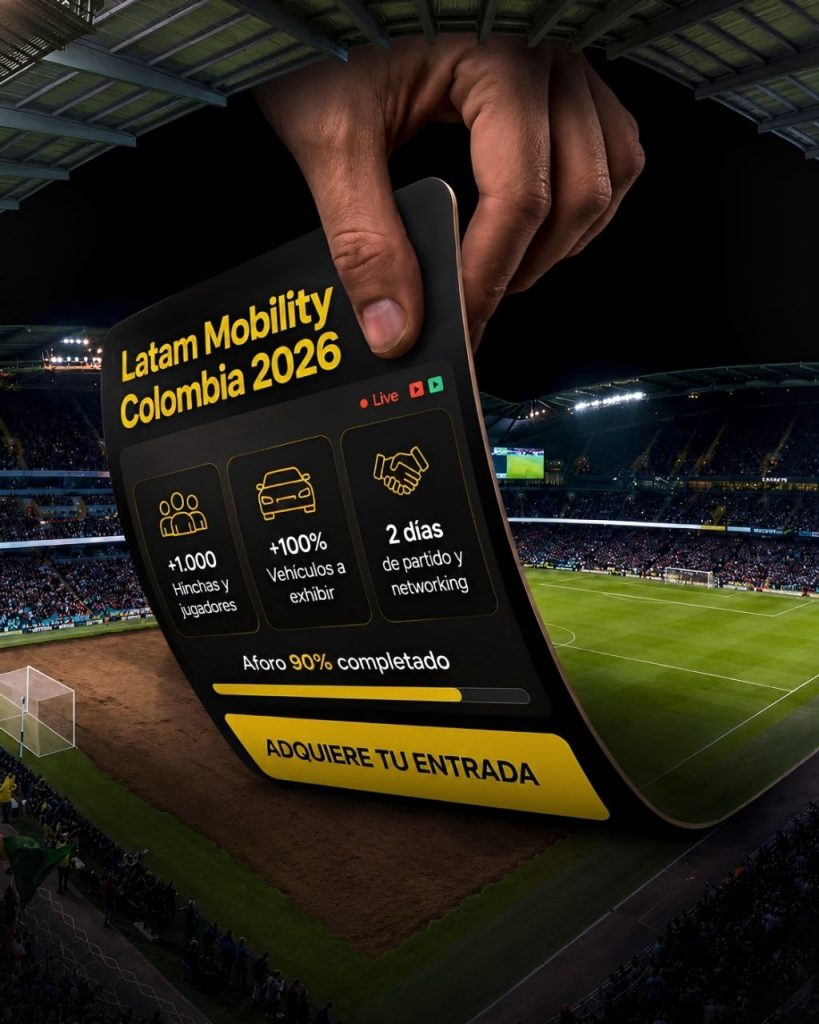
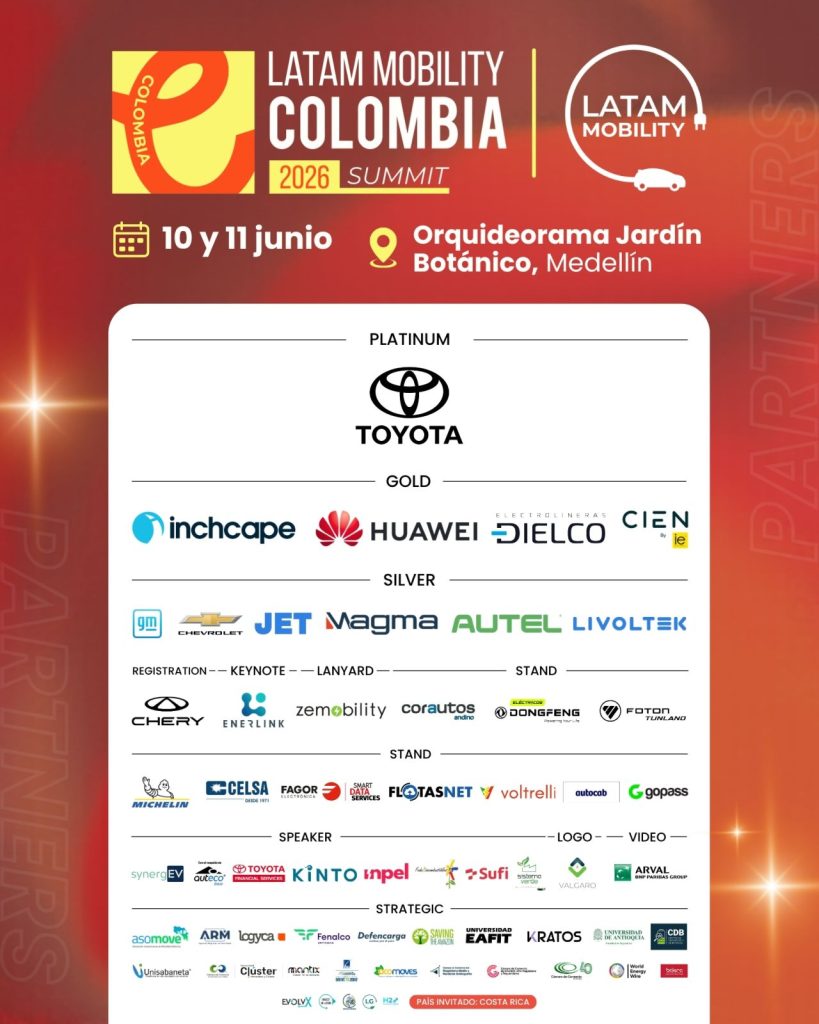
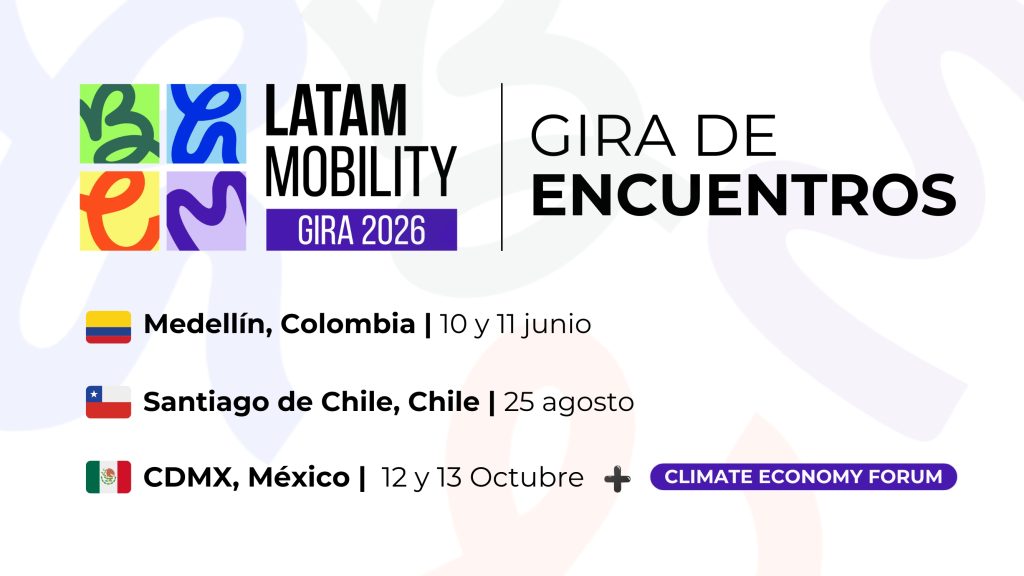
Latam Mobility Colombia 2026 is the most important sustainable mobility event in the region. The meeting will take place on June 10 and 11 at the Orquideorama of Medellín’s Botanical Garden — a natural and iconic venue that will host two intensive days of panels, workshops, networking, and presentations on the latest innovations in electric mobility, hydrogen, biofuels, and charging infrastructure.
The invitation is open to all ecosystem players: companies, fleets, condominium administrators, dealerships, network operators, energy generators, and citizens interested in being part of the change.
Latam Mobility expects to turn Medellin into the epicenter of sustainable mobility in the region, proving that Colombia is ready to win the game of future mobility.