

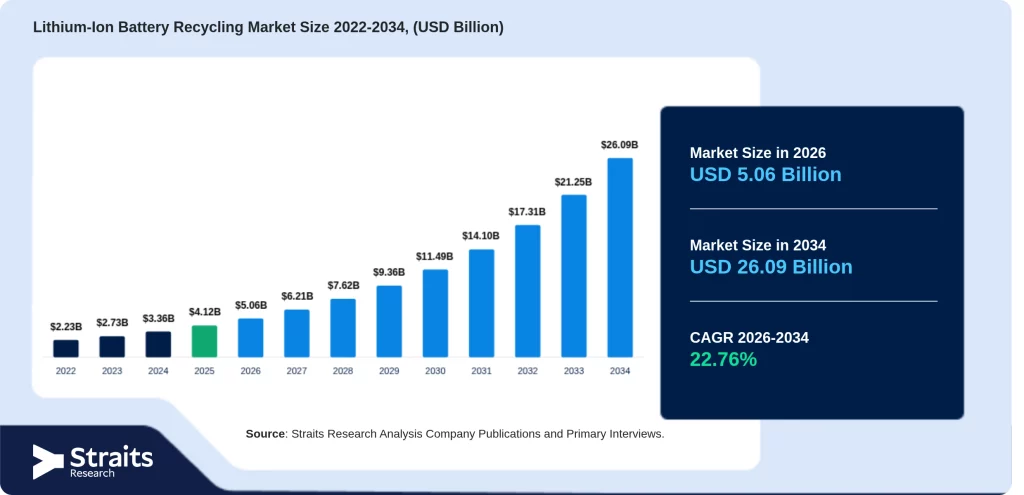
The battery recycling market is experiencing explosive growth. According to industry projections, its value is expected to surge from $4.12 billion in 2026 to $26.09 billion by 2034—a leap that reflects the rising demand for electric vehicles and energy storage systems, alongside the urgent need to manage end-of-life lithium-ion battery waste.
This momentum isn’t just about meeting environmental obligations; it has also become a strategic global business imperative.
Against this backdrop of rapid expansion, Japan has made a massive leap forward with the development of a pioneering system capable of recovering up to 90% of the lithium contained in spent batteries.
This technological breakthrough, led by JX Metals Circular Solutions, more than doubles the recovery rate of conventional methods (which previously struggled to hit 50%) while also cutting the process’s carbon footprint by roughly 40%.
This Japanese innovation marks a major milestone in the circular economy of critical materials and could very well redefine the global rules of battery recycling.
You may also be interested in | German Scientists Create Internal Communication System for Batteries That Eliminates Sensor Wiring
A Market in Full Swing
The numbers behind the lithium-ion battery recycling market tell a compelling story. Projections point to exponential growth, fueled by the mass adoption of electric vehicles and intensifying regulatory pressure—particularly in Europe, where authorities are mandating increasingly aggressive recovery targets.
Currently estimated at $5.06 billion for 2026, this market could reach $32.84 billion by 2034, cementing its role as a cornerstone of the critical materials industry.
Industry experts point out that this growth is driven by two factors: the pressing need to secure stable supplies of lithium, cobalt, and nickel for new battery production, and a growing awareness of the importance of reducing import dependence on these resources.
By 2030, the global cumulative volume of retired lithium batteries is expected to exceed 12 million tons—several times the amount recorded in 2020.
Japan at the Forefront of Lithium Recycling
The Japanese breakthrough, announced by JX Metals Circular Solutions in April of this year, represents a quantum leap in recycling technology.
The company’s plant, located in Fukui Prefecture, has implemented a hydrometallurgical process that extracts lithium from used batteries with unprecedented efficiency. The 90% recovery rate doesn’t just meet the Japanese government’s 70% target for 2030—it blows past it four years ahead of schedule.
The system’s key innovation lies in reusing the recovered lithium hydroxide within the refining process itself. By replacing conventional chemical reagents with lithium extracted directly from the batteries, the company has created a closed-loop system that not only boosts the purity of the final product but also significantly shrinks its environmental footprint.
The end result is high-purity lithium powder, ready to be fed straight back into the manufacturing of new batteries for hybrid and electric vehicles.
The Pending Challenge: Collecting Used Batteries
Despite this impressive technological win, Japan’s recycling industry still faces a major logistical hurdle. Currently, only 14% of the country’s spent lithium-ion batteries make their way into official recycling channels.
Most end up being exported alongside used vehicles or get lost in informal circuits—preventing valuable critical materials from being recovered domestically.
This collection bottleneck is now the industry’s single biggest obstacle. JX Metals Circular Solutions itself has acknowledged that while the technical capacity to recycle already exists, the main challenge is ensuring those end-of-life batteries actually reach the processing plants.
If the collection infrastructure can catch up, Japan could transform from a net importer of critical minerals into a regional recycling powerhouse—turning an environmental liability into a strategic economic opportunity.
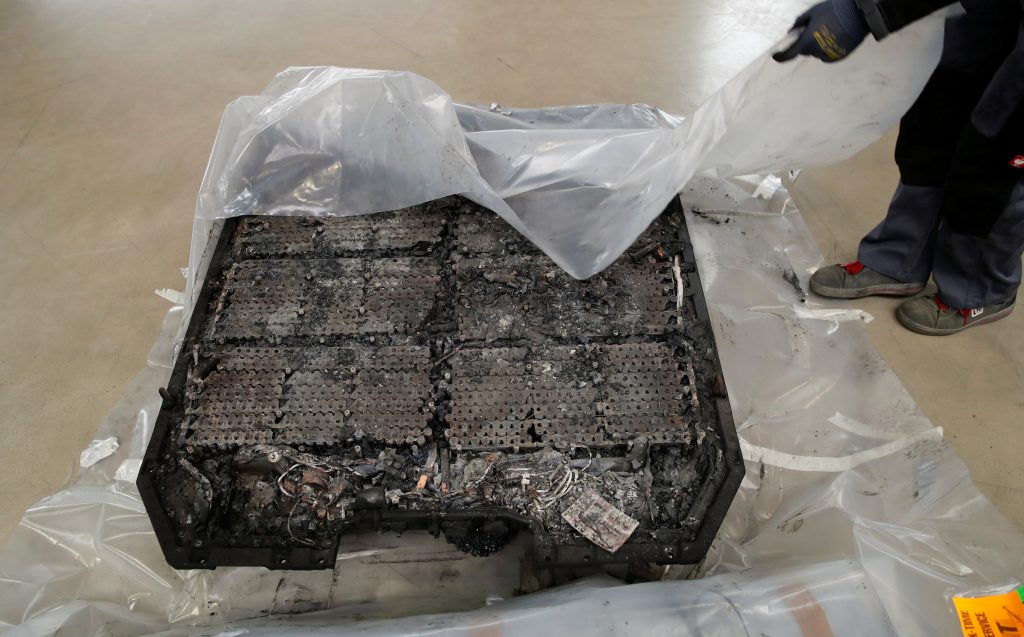
The Future of Battery Recycling
The technology developed by JX Metals Circular Solutions doesn’t just respond to market demand; it also aligns with stringent international regulations. The European Battery Regulation, for instance, requires that at least 80% of lithium from used batteries be recovered by 2031.
Japan’s new technology not only meets that standard but exceeds it, positioning the country’s industry as a global gold standard.
The company’s next step is industrial validation and scaling up production capacity. Large-scale operations are expected to kick off in April 2027, with the goal of processing tens of thousands of tons annually by 2035. This effort, backed by Japan’s NEDO Green Innovation Fund, aims to build a more sustainable, self-sufficient lithium supply chain for the future.
Battery recycling is no longer an option—it’s a strategic necessity. With the market expanding at breakneck speed and technological advances now capable of recovering up to 90% of lithium, the industry is rapidly pivoting toward a circular economy model that reduces import reliance and minimizes environmental harm.
The question is no longer whether recycling will be part of the future of electric mobility, but how fast we can scale these solutions to meet surging global demand.
A Year 2026 of Consolidation for Mobility
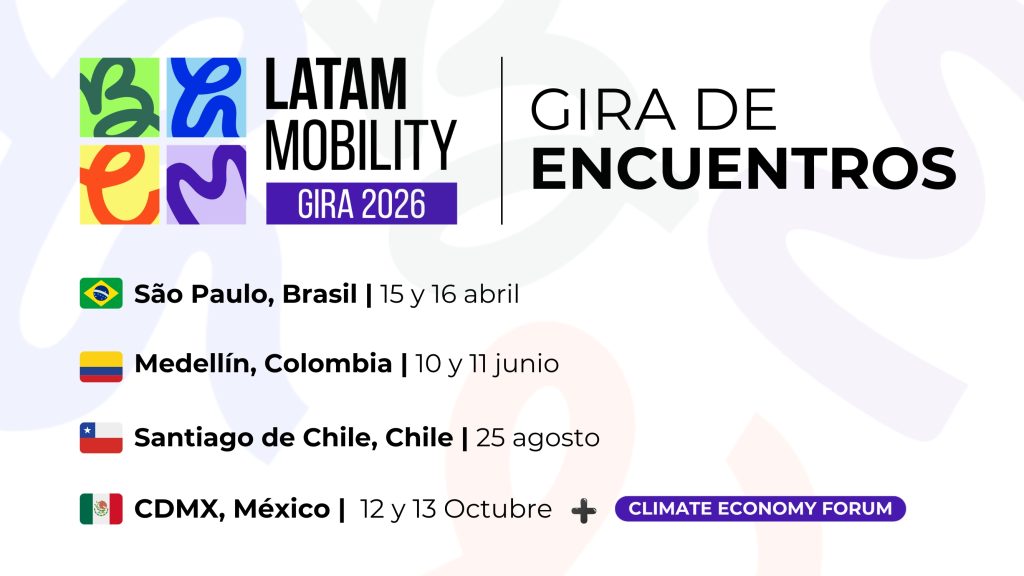
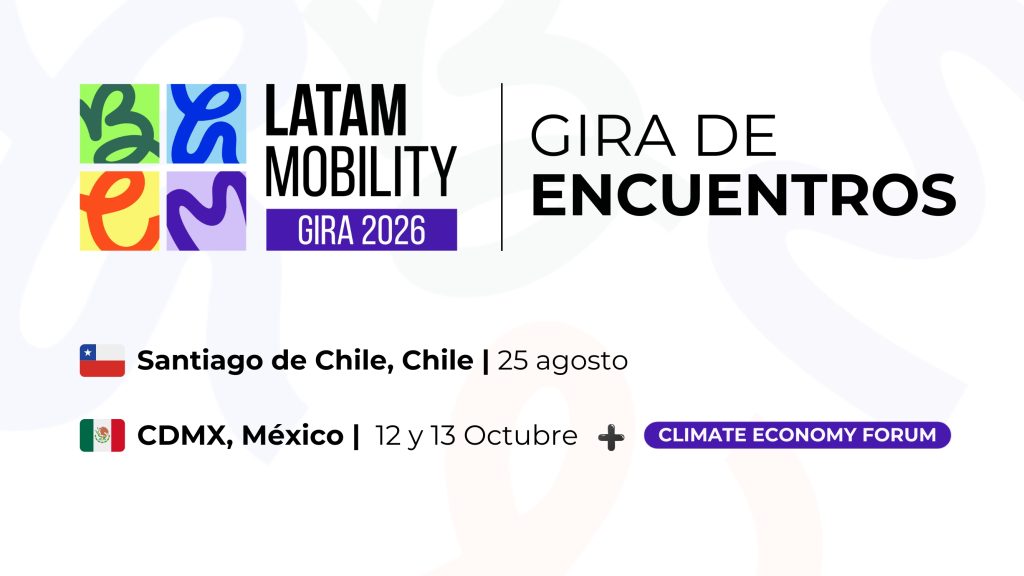
The Latam Mobility 2026 Tour will arrive in Santiago, Chile, on August 25, bringing together experts and strategic players to further strengthen the sustainable mobility ecosystem in the region.
The tour will end in Mexico City on October 12 and 13, alongside the Climate Economy Forum, in a meeting that will bring together sector leaders to continue driving the transition toward more efficient, sustainable, low‑emission transportation systems in Latin America.
The transition is already underway. The Latam Mobility 2026 Tour will be the meeting point to accelerate decisions, connect key players, and collaboratively build sustainable mobility in Latin America.