

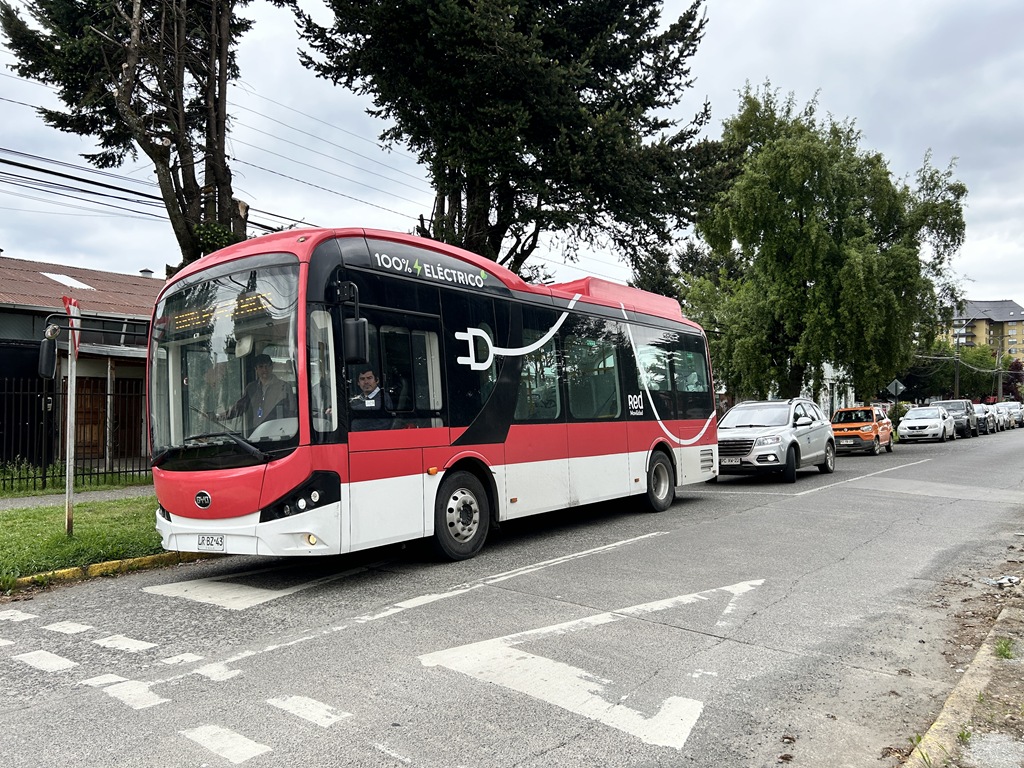
The Regional Government of La Araucanía in Chile has taken a historic step toward decarbonizing public transit with the launch of an ambitious fleet renewal program.
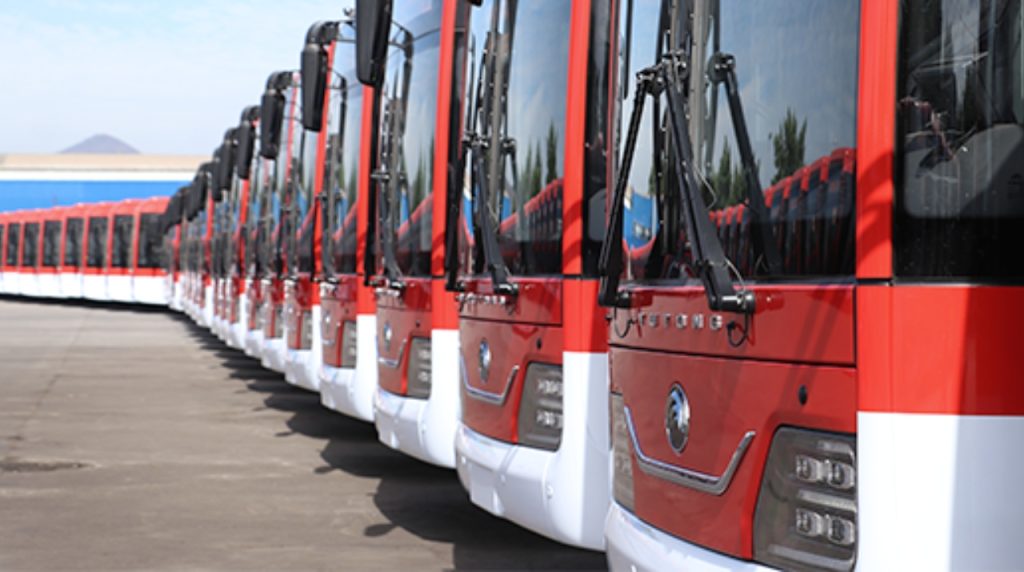
The initiative, which involves an investment of over 9 billion Chilean pesos, aims to replace internal combustion vehicles with modern, safe, zero-emission electric buses.
This project, carried out in coordination with the Ministry of Transport and Telecommunications, is part of a national plan that aims to put 4,400 electric buses on the road during 2026 – which would represent roughly 68% of the Red Movilidad system fleet.
You may also be interested in | Expansion of Electric Vehicle Offering in Colombia: Xpeng Lands through Inchcape and BYD Projects Over 11,000 Sales
Technological Leap for the Southern Macrozone
The Special Program for the Renewal of Electric Buses, Minibuses, Trolleybuses and Taxibuses 2026-2027 is aimed at owners and operators of major public transit services – both urban and rural – throughout the La Araucanía region.
The measure responds to the urgent need to modernize an aging, polluting fleet, replacing old diesel‑burners with zero‑emission technology that drastically cuts the carbon footprint and improves residents’ quality of life.
The program doesn’t just cover the purchase of new units. It also requires scrapping old vehicles as an indispensable condition, guaranteeing that obsolete buses are permanently removed from the transit system.
This ensures a real reduction in polluting emissions and a much better ride for passengers – with quieter, more accessible, and more reliable buses.
“This program is a concrete sign of how we are investing regional resources to improve an essential service for thousands of families. We’re not just renewing buses – we are raising the standard of public transit in La Araucanía,” said regional governor René Saffirio.
Saffirio also emphasized the environmental commitment: “There’s also a commitment to the environment here. We want cleaner, more efficient transportation that meets the current needs of our region.”
Incentives and Application Conditions
The program includes differentiated economic incentives, with amounts varying depending on the type of conventional bus being retired and the specs of the electric bus replacing it.
Extra benefits are added for complying with the Red standard and universal accessibility criteria – promoting more inclusive public transit for older adults, people with reduced mobility, and rural communities.
Applications will be accepted until July 27, 2026, and must be submitted in person at the Regional Secretariat of the Ministry of Transport, located at Claro Solar 950, 7th floor, office 701, Temuco, Chile.
Results will be published starting October 28, 2026 on the institutional website of the Regional Government of La Araucanía.
The Minister of Transport and Telecommunications, Rodrigo Lagos, highlighted the project’s strategic value in the national electromobility push. “Improving public transportation means improving people’s quality of life. Furthermore, in the current context, we are moving toward a system that depends less on fossil fuels – cleaner and with lower emissions.”
La Araucanía Joins the National Plan
This regional initiative is part of a broader national strategy to position Chile as a world leader in electric public transit (outside of China).
The Red Movilidad system has grown exponentially in recent years. According to official data, the fleet went from 922 electric buses in 2022 to 4,088 units in February 2026, and is projected to reach 4,400 electric buses during 2026 – a figure equal to roughly 68% of the entire system fleet.
In the Metropolitan Region of Chile, more than 3,400 electric buses are already running, supplied by manufacturers such as BYD, Foton, Zhongtong, and Yutong. The massive 2023‑2024 tender added 1,267 new units, awarded to operators like Voy Santiago, Empresa de Inversiones Gran Américas, and Consorcio Conecta, with strong participation from Copec Voltex in building electric terminals.
Now, La Araucanía is stepping up with a program that not only renews the fleet but also lays the groundwork for a sustainable, equitable, and decentralized mobility model – one that can be replicated in other regions of the country.
The Conversation Continues
Through its stops in Mexico City, Colombia, and Chile,Latam Mobility will continue to promote a collaborative approach to accelerate the transition to cleaner, more efficient, and more inclusive transportation systems, positioning Latin America as a relevant player in sustainable mobility at the global level.
Be part of the movement that is accelerating Latin America’s energy and urban transformation. If you would like to learn more about how to participate and positioning options, click here.