


The future of electric mobility is being redefined by a technology that promises to democratize access to zero-emission vehicles: sodium-ion batteries.
Supported by the abundance and low cost of sodium — an element 1,000 times more available than lithium — these batteries are overcoming technical barriers and moving toward mass production. The latest advances, led by Chinese industrial giants, mark a turning point: the ability to fully charge a vehicle in just 11 minutes — a performance that beats even many current smartphones.
You may also be interested in | From 500 to 800 km: How the Range of Electric Vehicles in Latin America Is Advancing
Ultra-fast Charging and 450 km of Range
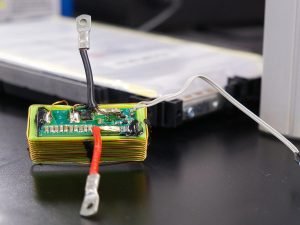
Chinese manufacturer Beijing Automotive Group (BAIC Group) has taken a decisive step in the sodium battery race. Its R&D division (BAIC R&D) announced the completion of a sodium-ion battery prototype that has achieved an industry-leading level.
The company confirmed that it has validated the mass production process for prismatic-format cells, paving the way for future commercialization.
The performance parameters of this battery are impressive: it offers an energy density exceeding 170 Wh/kg — putting it at the top technological level in the sector. In terms of range, it can achieve 450 kilometers under the CLTC (China Light-Duty Vehicle Test Cycle) — a figure comparable to many current lithium electric vehicles and more than enough for average daily commuting.
Its most disruptive feature is compatibility with 4C ultra-fast charging, which allows a full recharge in approximately 11 minutes under test conditions.
BAIC has integrated this technology into its “Aurora Battery” platform, which now covers lithium, solid-state, and sodium technology paths, creating an independent battery system tailored to different applications. The company has already filed 20 patent applications related to sodium systems, covering materials, cell design, manufacturing processes, and testing methodologies.
CATL and Changan Lead Mass Production
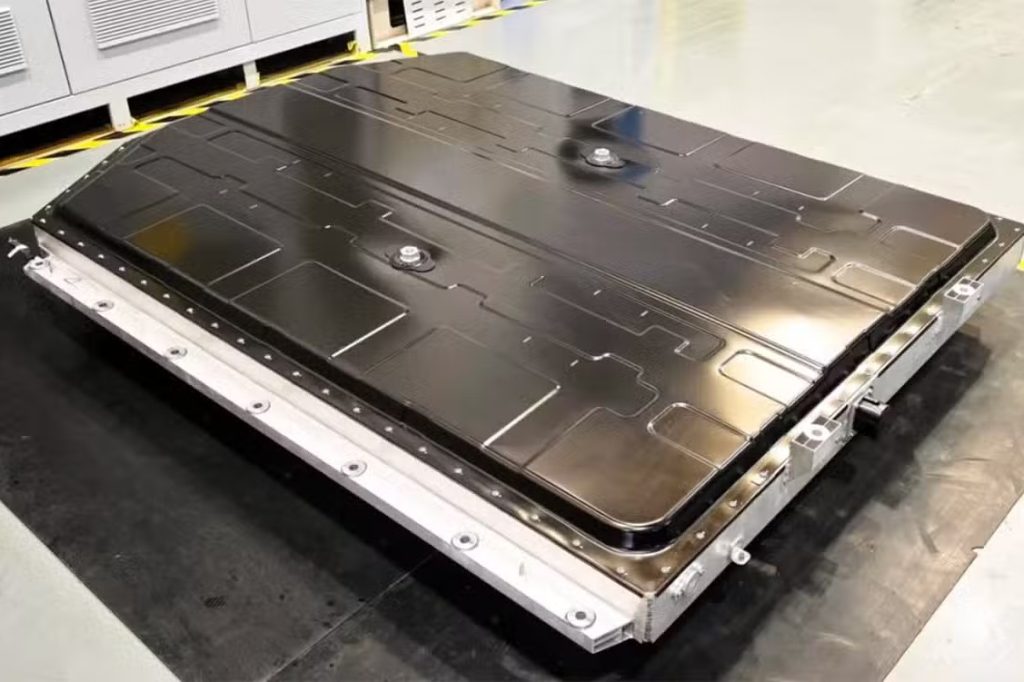
While BAIC accelerates prototype development, the alliance between CATL (the world’s largest electric vehicle battery manufacturer) and Changan Automobile has achieved an even more significant milestone. In February 2026, the companies presented the world’s first mass-production passenger vehicle equipped with a sodium-ion battery.
The chosen model is the Changan Nevo (Qiyuan) A06, a sedan that will reach the market in mid-2026. It will be powered by the CATL Naxtra battery, which boasts an energy density of up to 175 Wh/kg — a record for sodium batteries in mass production — and a range exceeding 400 kilometers on a single charge.
CATL anticipates that as technology and the supply chain advance, the range of these vehicles could reach 500 to 600 kilometers in the coming years.
Gao Huan, Director of Technology for CATL‘s electric vehicle business in China, said: “The arrival of sodium technology marks the beginning of a dual-chemistry era,” referring to the strategy of having sodium and lithium technologies coexist to meet diverse market needs. CATL will supply its Naxtra batteries to all Changan group brands, including Avatr, Deepal, Qiyuan, and UNI.
Cold-weather Performance: Lithium’s Achilles’ Heel
One of the greatest advantages of sodium-ion batteries is their superiority in cold climates — a historical weakness of lithium batteries.
BAIC designed its battery to operate stably over a wide temperature range from -40°C to 60°C, maintaining energy retention above 92% at -20°C.
CATL‘s results are equally impressive: its Naxtra battery offers discharge power nearly three times higher than that of lithium iron phosphate (LFP) batteries of equal capacity at -30°C, and retains more than 90% of its capacity at -40°C — able to deliver power stably even at -50°C.
In tests conducted in Yakeshi, Inner Mongolia, the Changan vehicle demonstrated that it could start without preheating at -30°C, offering discharge power far superior to traditional lithium models under the same conditions.
Furthermore, safety is another fundamental pillar of this technology. BAIC subjected its battery to extreme abuse tests, demonstrating that it neither caught fire nor exploded even when overcharged to 200% of its capacity (exceeding the Chinese national standard by 1.7 times) or when heated to 200°C.
CATL, for its part, conducted multi-directional crushing tests, electric drill penetration, and full cutting — and the battery showed no smoke, ignition, or explosion.
On the economic front, sodium batteries offer a theoretical reduction in pack cost of around 15% compared to LFP batteries, due to the elimination of lithium from the material system and the use of hard carbon from biomass.
Sodium’s Pending Challenge
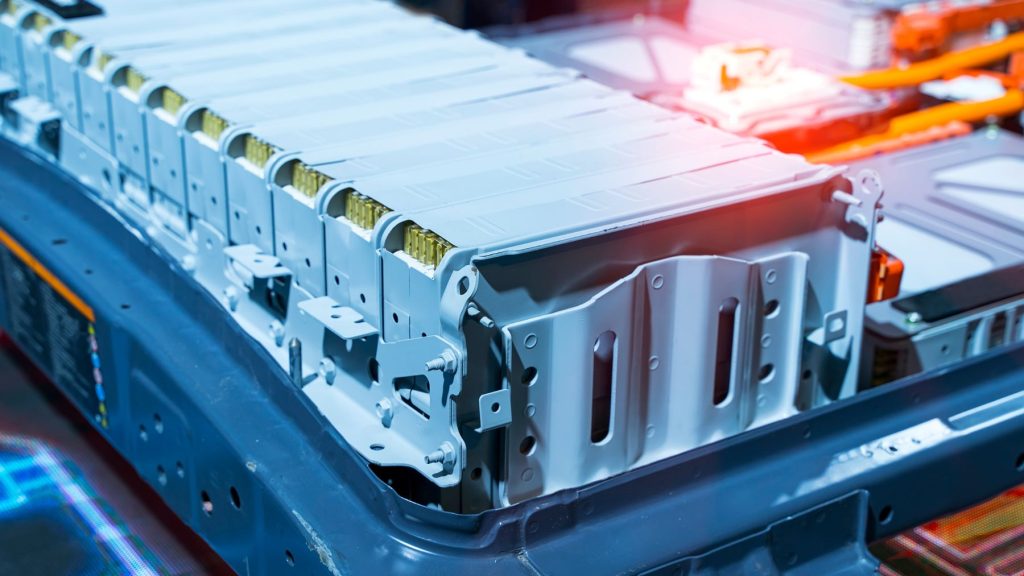
Despite the impressive advances, sodium-ion batteries still face a fundamental challenge in terms of energy density — a crucial factor that determines a vehicle’s maximum range.
BAIC‘s prototype reaches 170 Wh/kg, a figure significantly lower than that of state-of-the-art lithium batteries, which range from 200–300 Wh/kg. Even CATL‘s Naxtra model, currently the benchmark in mass production, reaches 175 Wh/kg.
This difference means that, for the same weight, a vehicle with a sodium battery could have less range than one with a lithium battery. However, manufacturers believe that the current performance level is already more than sufficient to cover the needs of most drivers, especially in urban and suburban environments.
The approach for this technology is to compete in the mass-market segment, where cost-benefit ratio and real-world performance are priorities. Meanwhile, high-density lithium batteries will continue to dominate premium and long-range vehicles.
Finally, the push toward commercialization of sodium batteries is unstoppable. According to industry data, global shipments of sodium-ion batteries reached 9 GWh in 2025, representing 150% growth over the previous year. Projections indicate that this figure could exceed 1,000 GWh in the next four years.
CATL, for its part, has already planned the establishment of more than 3,000 battery swap stations in 140 Chinese cities to support the adoption of this technology, with more than 600 located in the coldest regions of northern China.
By the end of 2026, the first mass-production vehicles with sodium batteries — such as the Changan Nevo A06 — are expected to arrive at Chinese dealerships. The era of sodium batteries is no longer a future promise but a tangible reality that is transforming the electromobility landscape from its foundations.
The Agenda to Decarbonize Transport
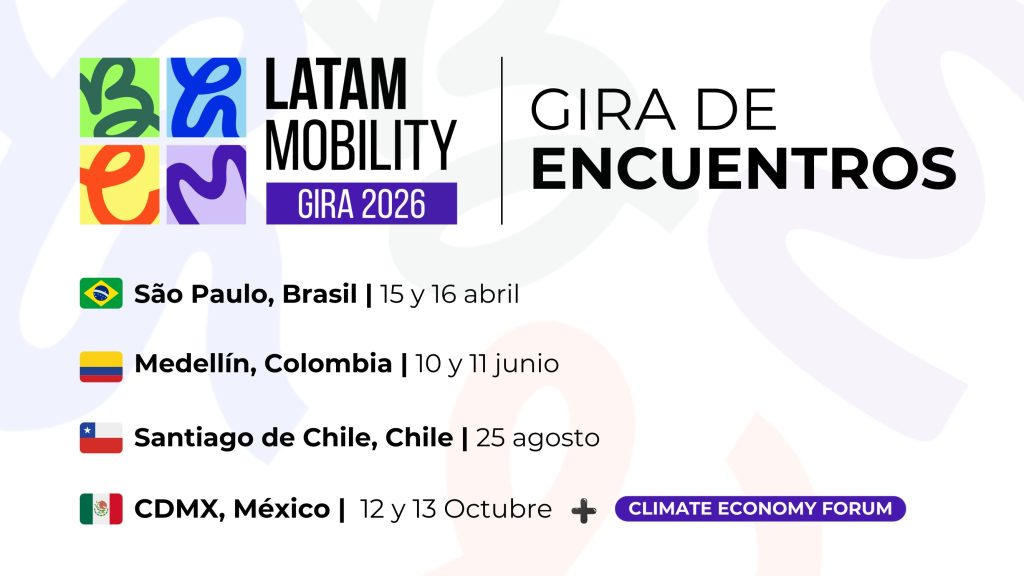
Latam Mobility promotes dialogue among the main players in the sector throughout its 2026 tour, which will visit the region’s key markets to delve deeper into these and other crucial issues for the transformation of mobility.
The Latam Mobility 2026 Tour will travel through some of the region’s most dynamic cities, Mexico City, Brazil, Colombia, and Chile, establishing itself as a unique space to connect the ideas, projects, and leaders who are transforming mobility and the climate economy in Latin America.
The transition is already underway. The 2026 Latam Mobility Tour will be the gathering point to accelerate decisions, connect key players, and collaboratively build sustainable mobility for Latin America.