


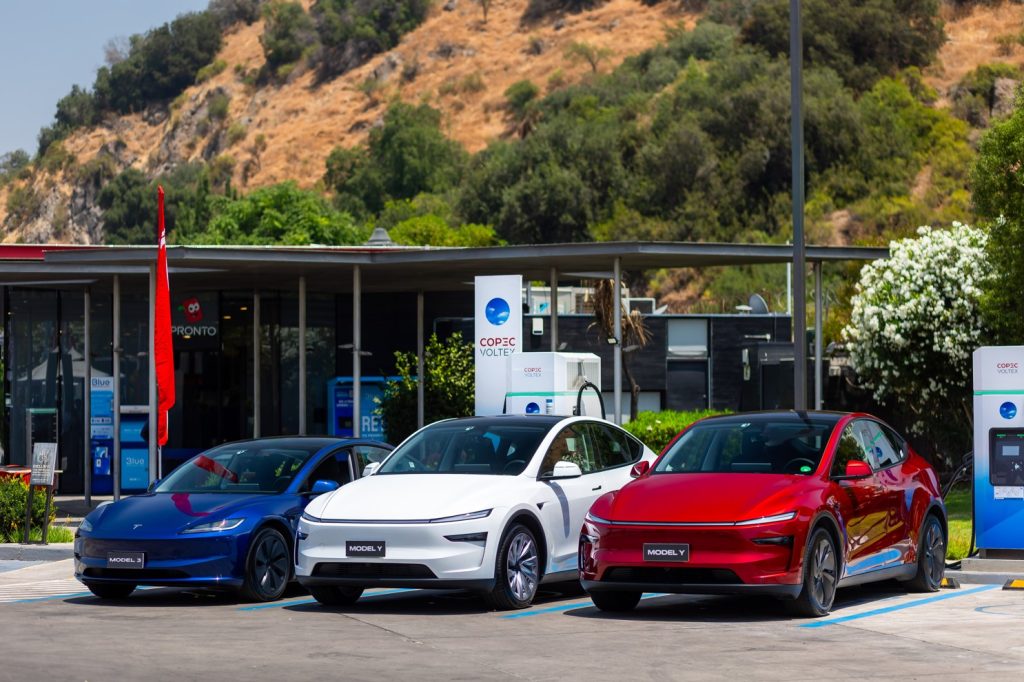
Tesla, the US manufacturer of electric vehicles and energy solutions, and Empresas Copec, Chile‘s leading fuel and energy services distribution company, announced a strategic alliance to develop a network of ultra-fast chargers for electric vehicles (EVs) along key routes in the country.
The initiative aims to accelerate the adoption of electric mobility, improve sustainable transportation infrastructure, and offer electric car users a more efficient and widespread charging experience.
You may also be interested in | Report: Mass transition to electric vehicles could avoid emissions equivalent to those of the United States or India
Key Agreement for Electromobility
The agreement between Tesla and Copec was made official at the end of January 2026, marking a significant step in the transformation of transportation in Chile toward cleaner alternatives.
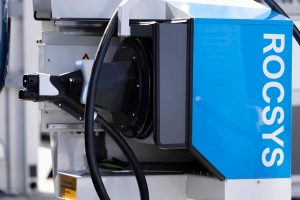
Under the joint plan, high-power Tesla Superchargers will be installed at Copec service stations strategically located between La Serena and Puerto Montt, two of the country’s main transportation corridors.
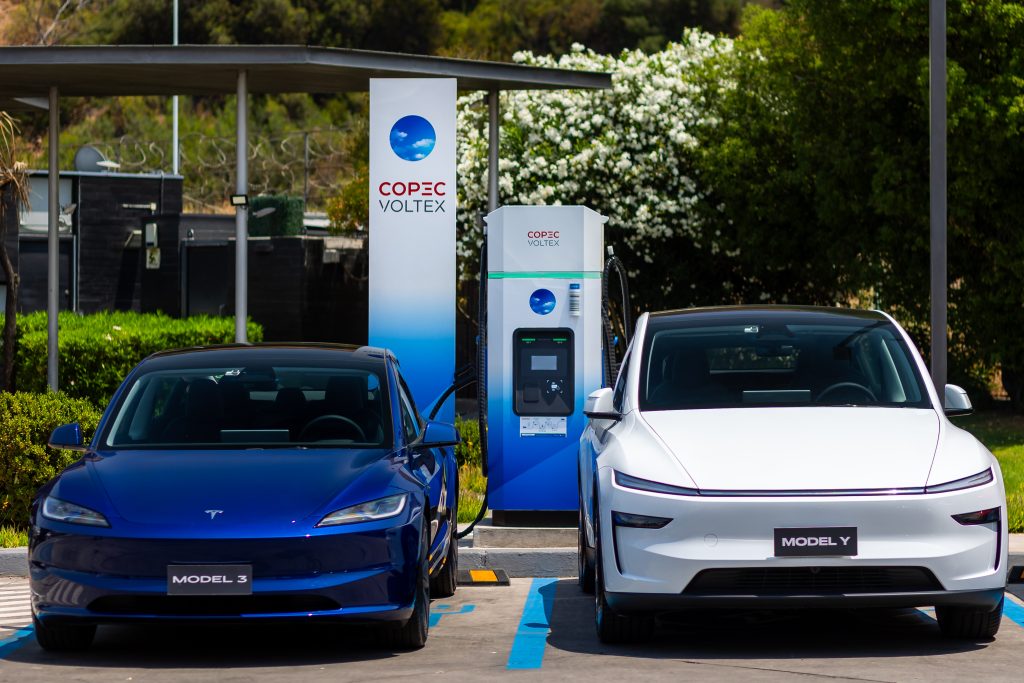
Under the terms of the collaboration, each station will have a Supercharger with four charging points, capable of supplying up to 250 kW of total power.
This will allow electric vehicle drivers to recover up to 280 kilometers of range in just 15 minutes of charging, a capacity that represents a substantial advance for interurban travel in EVs.
100% Renewables
The energy that will power these charging points will come entirely from renewable sources, supplied by Copec Emoac, a Copec subsidiary dedicated to clean energy solutions.
This approach will not only reduce the carbon footprint associated with transportation, but also reinforce both companies’ commitment to energy transition and sustainable development.
The Supercharger network will be located approximately 124 miles apart, allowing drivers to plan long road trips without worrying about coverage, helping to eliminate one of the main obstacles to the mass adoption of electric vehicles: range anxiety and the scarcity of charging points on long routes.
In addition to the physical infrastructure, the charging services provided under this agreement will be integrated into the digital ecosystems of both companies.
Users will be able to access charging points through both the Copec App and the Tesla App, facilitating the management of payments, reservations, and benefits associated with loyalty programs, such as the Chilean company’s Full Copec program.
For Copec, this alliance represents an opportunity to complement its already extensive fast-charging network, considered one of the largest in Latin America, consolidating its leadership in the development of electromobility solutions in the country.
Vision and Strategic Objectives
On the Chilean side, Arturo Natho, General Manager of Copec, highlighted the project’s role in making electric vehicles a real and reliable alternative for daily transportation and intercity travel.
“At Copec, we believe that contributing to the transition to electromobility is part of our commitment to Chile. That is why, through Copec Voltex, we have developed the most extensive charging network in Latin America and, thanks to this alliance with Tesla, we will be able to complement that network with world-class technology,” he said.
“This will allow us to strengthen the road infrastructure, improve the user experience, and contribute to making electric vehicles a real and reliable alternative for traveling around Chile,” Natho said.

For his part, Agustín Amoretti, General Manager of Tesla Chile, has pointed out that the expansion of the Supercharger network is a key pillar for accelerating the adoption of electromobility in the country, through a fast and reliable charging experience for all users.
“Our focus is not only on adding charging points, but also on offering a reliable, fast, and accessible experience that allows users to travel with complete peace of mind in and out of major cities. We are convinced that a solid infrastructure is essential for the sustainable development of the market,” explained Amoretti.
Phased Implementation
The implementation of this network will take place progressively throughout 2026, with rollouts expected to begin at the main service stations selected for this project.
Although the companies have not disclosed specific details about the amount of the investment, the initiative is seen as a significant effort toward modernizing energy infrastructure and sustainable mobility in Chile.
This project joins other Copec initiatives related to electromobility and renewable energy solutions, such as the deployment of its public charging network throughout the country and partnerships to integrate large-scale stationary batteries into solar projects.
With the announced partnership between Tesla and Copec, Chile continues to position itself as an important player in the transition to sustainable mobility in Latin America, combining Tesla‘s global technological expertise with Copec‘s robust presence in energy infrastructure and services.
These types of collaborations not only benefit current electric vehicle drivers, but also encourage new users to adopt cleaner technologies, reducing emissions and promoting more efficient transportation for future generations.
2026 as a Year of Consolidation
Rather than ambitious announcements, 2026 will be a year for measuring results. Electric and low-emission mobility will no longer be evaluated by the number of pilot projects but will be judged by its ability to operate at scale, reduce real emissions, and improve the quality of urban life.
For Latin America, the challenge will be to capitalize on its experience in electric public transportation, close infrastructure gaps, and build stable policies that allow the transition to be not only green but also inclusive and economically viable.
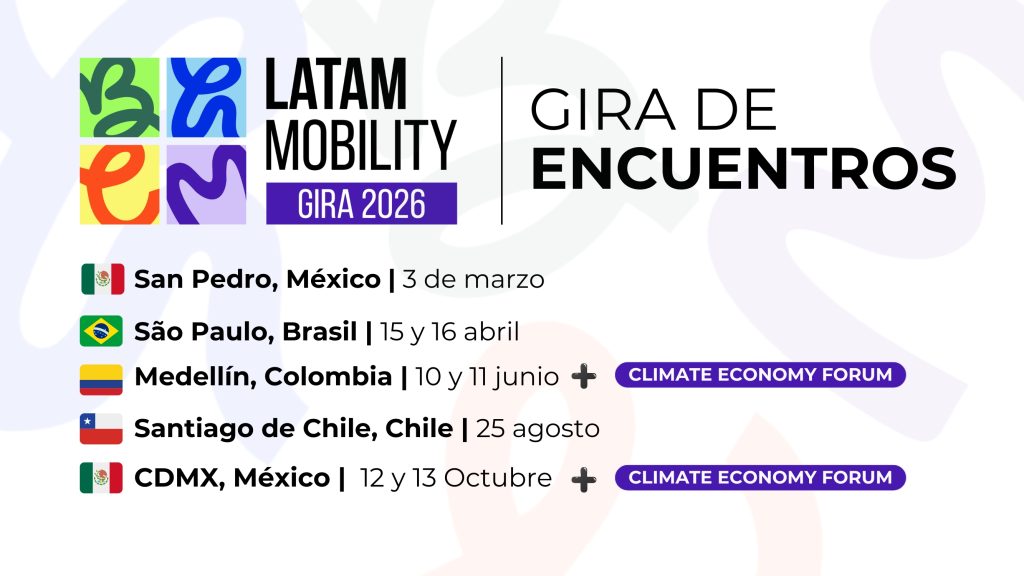
With the 2026 Tour, Latam Mobility reaffirms its commitment to building a regional agenda that connects vision, public policy, innovation, and the market.
Through its stops in Monterrey and Mexico City, Brazil, Colombia, and Chile, the platform will continue to promote a collaborative approach to accelerate the transition to cleaner, more efficient, and more inclusive transportation systems, positioning Latin America as a relevant player in sustainable mobility at the global level.
Be part of the movement that is accelerating Latin America’s energy and urban transformation. If you would like to learn more about how to participate and positioning options, click here.