



The electric vehicle market in Colombia just had a historic March, with 267% growth driven by Tesla’s entry into the local market.
According to the latest report from the National Association for Sustainable Mobility (Andemos), 5,083 zero-emission vehicles were registered during the third month of the year — a number that shows just how fast electromobility is being adopted in the country.
This surge has completely shaken up the competitive landscape. Traditional brands like Chevrolet and Toyota are still active, but they’re having to adapt their strategies to an increasingly electrified environment.
You may also be interested in: Toyota Projects Sales Growth and Reaffirms Commitment to Hybrid Mobility in Colombia for 2026
General Motors: Solid Performance
General Motors, through its Chevrolet brand, has managed to put together an attractive electric vehicle lineup in Colombia, with the Spark EUV as its main standout.
During March 2026, the company registered 194 electric vehicle units — a 397.4% increase compared to the same month last year. That performance made Chevrolet the fifth best-selling electric brand in the country for the month.
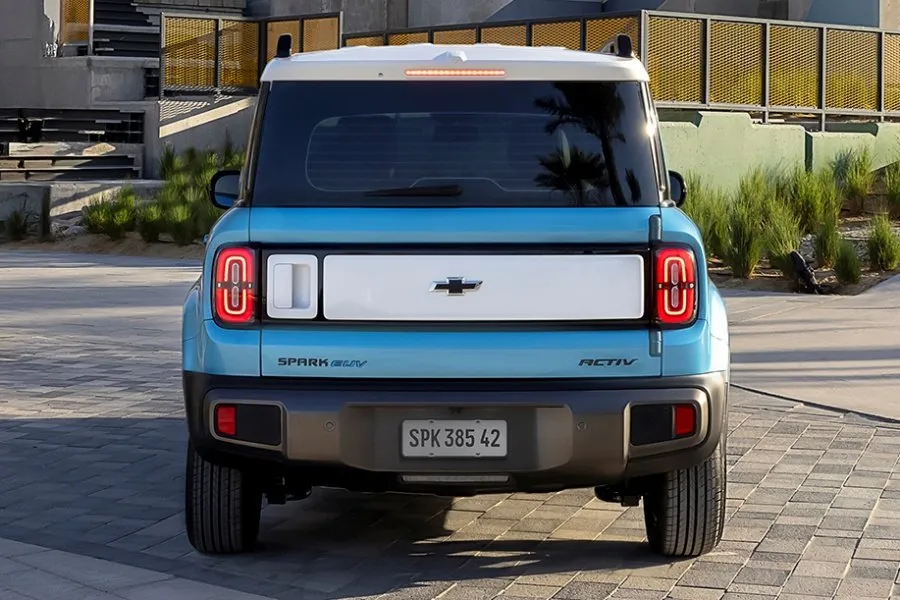
The Chevrolet Spark EUV has become one of the most appealing options for Colombians looking to go zero-emission. Since its launch, this urban SUV has become the second best-selling vehicle in the electric B-SUV segment in the country, offering a range of up to 360 kilometers and a competitive price of around 90 million Colombian pesos.
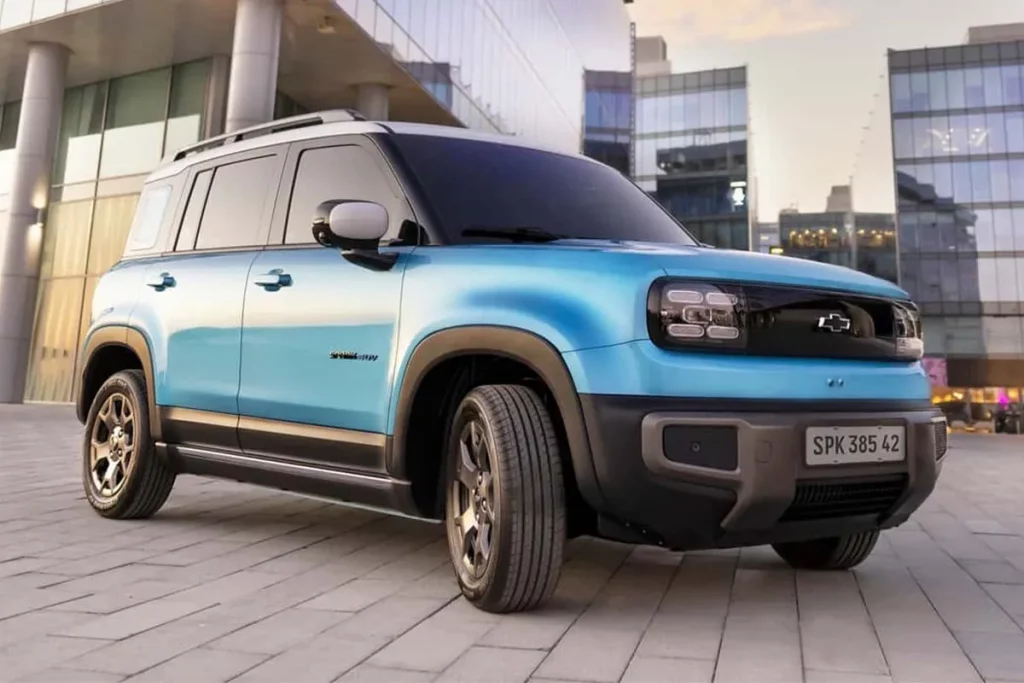
Recognition came fast: the Spark EUV was named Electric Car of the Year 2026 for the South America region by the International Federation of Automotive Journalism (FIPA) — an award that backs up Chevrolet’s strong momentum in Colombia.
Beyond its pure EV numbers, Chevrolet has also pushed electrification forward with models like the Captiva, available in both plug-in hybrid and fully electric versions, which have found a growing audience among Colombian buyers.
Toyota: Leadership in SUVs and Off-road Vehicles
Toyota, one of the most iconic and longest-standing brands in Colombia, has taken a gradual approach to electrification — first betting on hybrids and now making its first moves into the pure electric segment.
In March 2026, the Japanese firm registered 56 fully electric vehicles, representing a staggering 2,700% growth in this category — one of the highest expansion rates in the market. This huge jump is explained by the recent official launch of its first zero-emission model in the country.
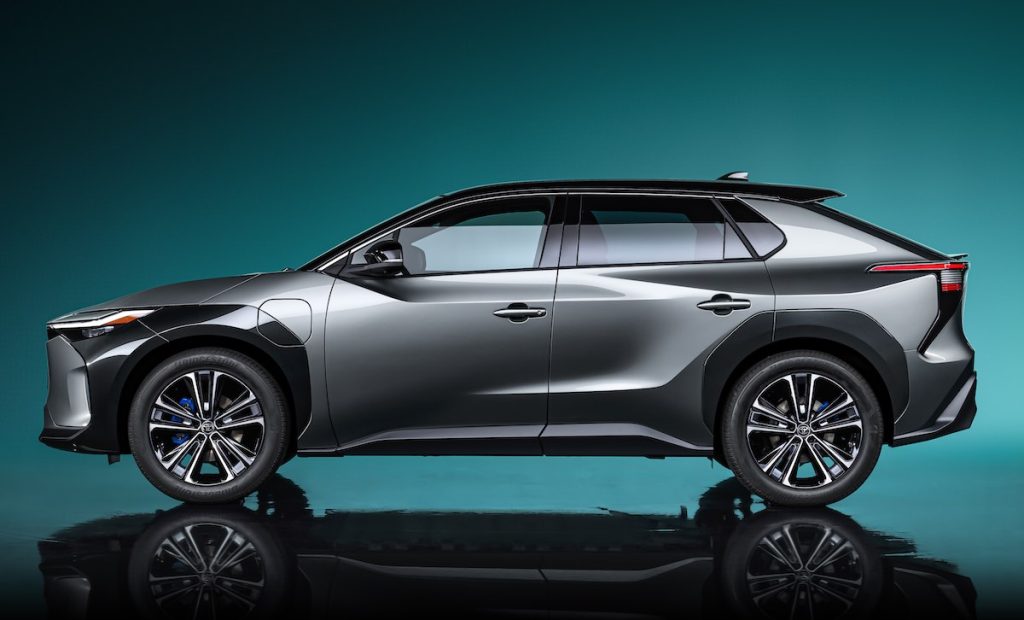
The Toyota bZ4X, a midsize 100% electric SUV made in Japan, is the realization of the company’s “Beyond Zero” vision, which focuses on achieving carbon neutrality. With a range of up to 480 kilometers and equipped with the Toyota Safety Sense 3.0 package, the bZ4X officially hit the Colombian market at the start of 2026 (though independent imports had been recorded since 2024).
Even though Toyota‘s electric sales volume is still small compared to other players, the 2,700% growth in March sends a clear signal about the potential of its offering and the growing interest of Colombian consumers in zero-emission tech. The company expects 2026 to be a year of accelerated adoption of electrified vehicles in the country.
The Tesla Phenomenon
The biggest milestone of the month was undoubtedly Tesla‘s overwhelming performance. Tesla started operations in Colombia at the end of 2025 and registered 2,459 electric vehicles during March — making it the third best-selling brand in the country’s overall market and first in the electric segment with a 48.4% share.
That volume accounted for nearly half of all zero-emission vehicle sales in Colombia during the month.
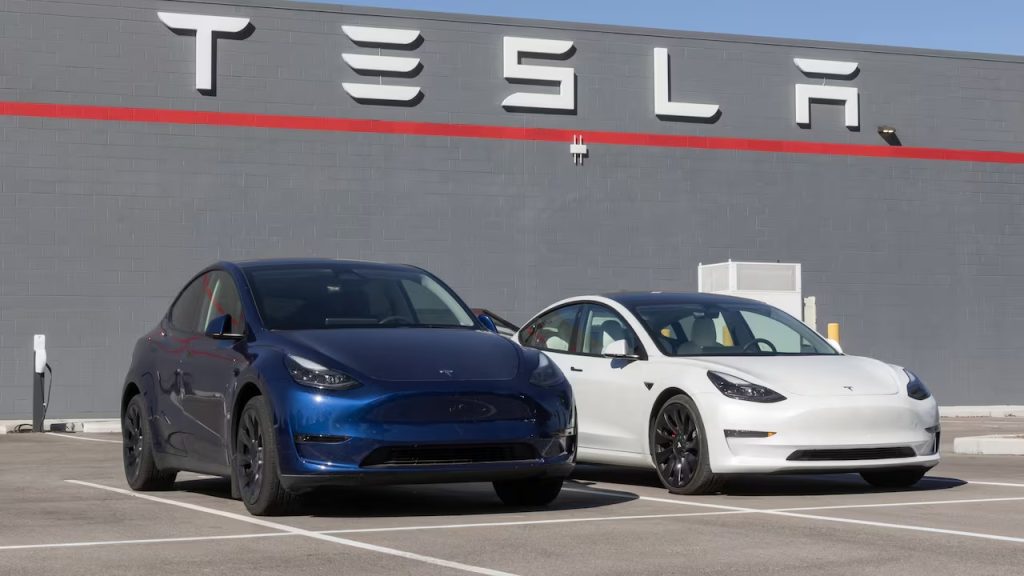
The Tesla Model Y became the first electric vehicle ever to lead monthly sales in Colombia, reaching an impressive 1,791 units and a 6.4% share of the national market — beating out traditional internal combustion models.
Meanwhile, the Tesla Model 3 ranked sixth overall with 666 units, becoming the best-selling electric sedan in the country.
Tesla‘s success comes from a mix of factors: the mass delivery of reservations that had piled up over several months, an aggressive pricing strategy that has pushed down EV costs in general, and Colombians’ growing interest in sustainable mobility — further encouraged by tax benefits like the reduced 5% VAT for electric vehicles (compared to 19% for combustion cars).
The Bigger Picture
The electric vehicle market in Colombia isn’t just about the top players. BYD, the Chinese giant that traditionally led the segment, is still a strong contender even though it lost the top spot to Tesla. During March, BYD registered 906 units, a 9.2% increase, and has accumulated 2,684 units in the first quarter of the year — very close to the lead. Its Yuan Up model remains a market favorite, with 616 units in March.
Other brands have also seen extraordinary growth in the electric segment. Chery, boosted by the successful iCAR 03, recorded 263 units in March — growth of over 4,000% compared to the same month in 2025.
MG, with its S5 EV model, reached 240 units and 757.1% growth. GAC, though still with a modest volume, reported the highest expansion rate in the market: a 5,900% increase in its electric vehicle sales.
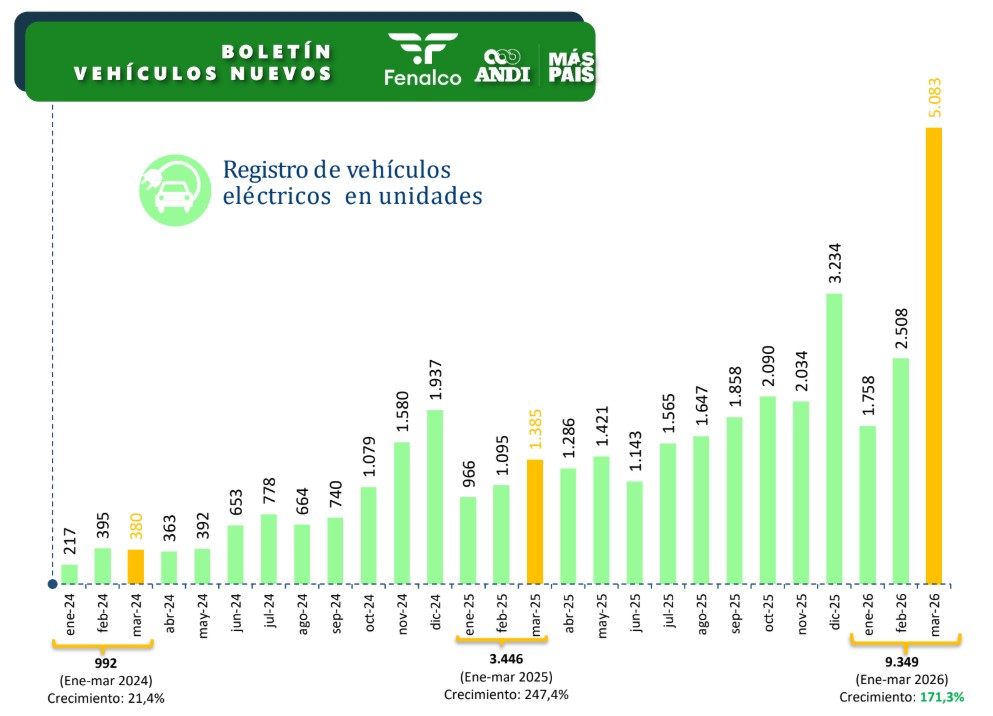
Looking at the first quarter of 2026, 9,349 new electric vehicles have been registered in Colombia — 171.3% growth compared to the same period in 2025. Compared to the first quarter of 2024, when only 992 electric units were registered, that’s 842% growth in just two years. That trend shows that electromobility is truly taking hold in the country.
The future of the electric segment in Colombia looks bright. With new players arriving, traditional brands like Chevrolet and Toyota expanding their offerings, and tax incentives still in place, growth is expected to continue in the coming months.
Electromobility is no longer just a promise — it has become a tangible reality on Colombian streets.
A 2026 of Consolidation for Mobility
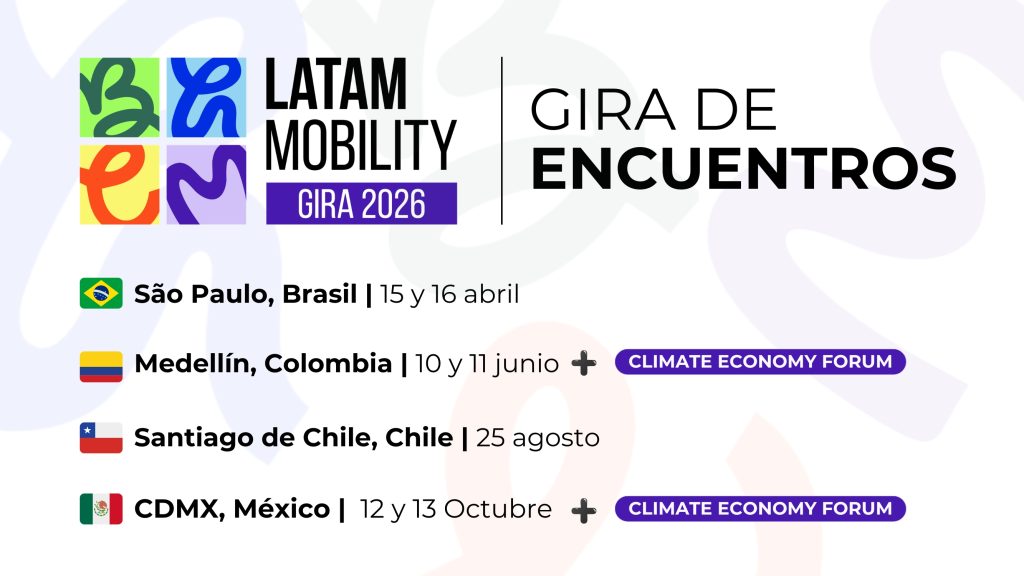
The Latam Mobility 2026 Tour continues its journey through the region, with the next meeting taking place in São Paulo, Brazil, on April 15 and 16. There, leaders from the public and private sectors will gather to analyze the progress and challenges of sustainable mobility, the electrification of transportation, and new opportunities for the energy transition in Latin America.
This event has established itself as a key platform for connecting companies, authorities, startups, and institutions that are driving innovative solutions in clean transportation, charging infrastructure, renewable energy, and new technologies for the mobility of the future.
After Brazil, the tour will continue in Medellín, Colombia, on June 10 and 11, and then arrive in Santiago, Chile, on August 25, bringing together experts and strategic stakeholders to further strengthen the sustainable mobility ecosystem in the region.
The tour will conclude in Mexico City on October 12 and 13, alongside the Climate Economy Forum, at an event that will bring together industry leaders to further drive the transition to more efficient, sustainable, and low-emission transportation systems in Latin America.
The transition is already underway. The Latam Mobility Tour 2026 will be the meeting point to accelerate decisions, connect key stakeholders, and collaboratively build sustainable mobility in Latin America.