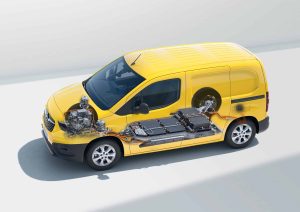




The year 2026 is marking a turning point in commercial mobility across Latin America. What just a few years ago was a bet on the future has become a consolidated reality: 100% electric vans are now the backbone of the transformation of urban delivery fleets in the region.
Driven by falling battery costs, increased range, and an increasingly favorable regulatory framework, these vehicles are redefining last-mile logistics in the continent’s major cities.
You may also be interested in | C40 Cities: Brazil, Colombia, Mexico, and India will drive 359,000 electric vehicle chargers by 2035
Regional Context: A Market in Full Expansion
The regional context is ideal. According to the Electric Mobility Monitor for Latin America and the Caribbean from the Latin American and Caribbean Energy Organization (OLACDE), during the first quarter of 2026, 106,765 light electric vehicles were sold in the region, raising the total fleet in circulation to 837,014 electrified units.
If this pace continues, Latin America and the Caribbean will surpass one million electrified vehicles in circulation for the first time before the end of 2026.
Brazil leads this transformation with 473,362 light electric vehicles, representing more than 50% of the regional total. It is followed by Mexico, with 143,514 units; Colombia, with 48,973; Uruguay, with 38,802; and Costa Rica, with 38,323.
In terms of per capita adoption, Uruguay ranks first regionally, followed by Costa Rica, Brazil, Chile, and Mexico.
In this scenario, electric delivery vans have positioned themselves as one of the most dynamic categories. Their ability to operate in urban environments with zero local emissions, less noise, and significantly reduced operating costs makes them the ideal tool for courier, parcel, food distribution, and last-mile service companies.
Dynamic Landscape Across Multiple Sectors
Electric delivery vans have become one of the fastest-growing segments within this transformation. Their ability to operate in urban environments with zero local emissions, less noise, and significantly reduced operating costs—up to 50% lower than diesel vehicles—makes them the ideal tool for last-mile logistics.
According to OLACDE, electric vehicles and buses currently in circulation in the region generate annual savings of USD 1.157 billion compared to the use of traditional fuels, which is equivalent to avoiding the consumption of 890 million liters of gasoline and 340 million liters of diesel each year.
Companies across all sectors—logistics, e-commerce, food and beverage—are making multimillion-dollar investments to incorporate electric vans into their daily operations, consolidating delivery fleet electrification as one of the major drivers of the energy transition in the region.
Below is a look at the main players and their fleets in the most relevant markets in Latin America.
Brazil: The Regional Electromobility Giant
Brazil not only leads the electrified vehicle fleet in the region with 473,362 units but also tops the public charging infrastructure ranking with 21,061 stations.
The Brazilian electric commercial vehicle market is experiencing accelerated growth, with new players arriving and existing fleets expanding.
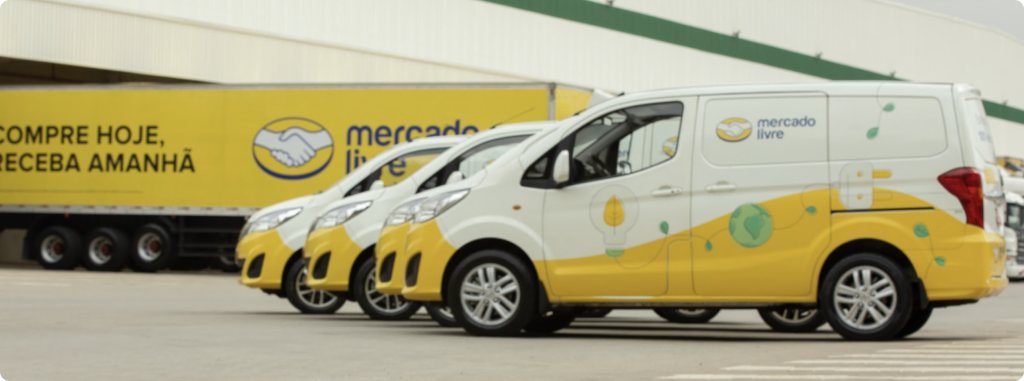
Mercado Libre has a significant presence in Brazil, with more than 1,300 electric vehicles operating in the country. Ford Pro closed a deal for 300 units of the E-Transit electric van with the company, of which more than 100 have already been delivered. Brazilian startup Arrow Mobility also signed a contract to supply 50 electric vans to the company.
Meatpacking multinational JBS made one of the most aggressive bets on fleet electrification in Brazil. In April 2025, it announced that it had multiplied its 100% electric vehicle fleet by seven over the last three years, avoiding the direct emission of more than 5,200 tons of CO₂ during that period. Through its No Carbon unit, the fleet reached 281 vehicles, serving the Friboi and Seara brands across all regions of the country.
Fever, a company specializing in electric commercial vehicle rentals, raised **R$50 million** in April 2026 to expand its fleet. This funding will finance approximately **280 electric vehicles** in the first phase, with projections to reach R$250 million in future funding. The company anticipates having 500 vehicles by the end of 2026 and has positioned itself as the leader in electric utility vehicle sales in the first four months of this year.
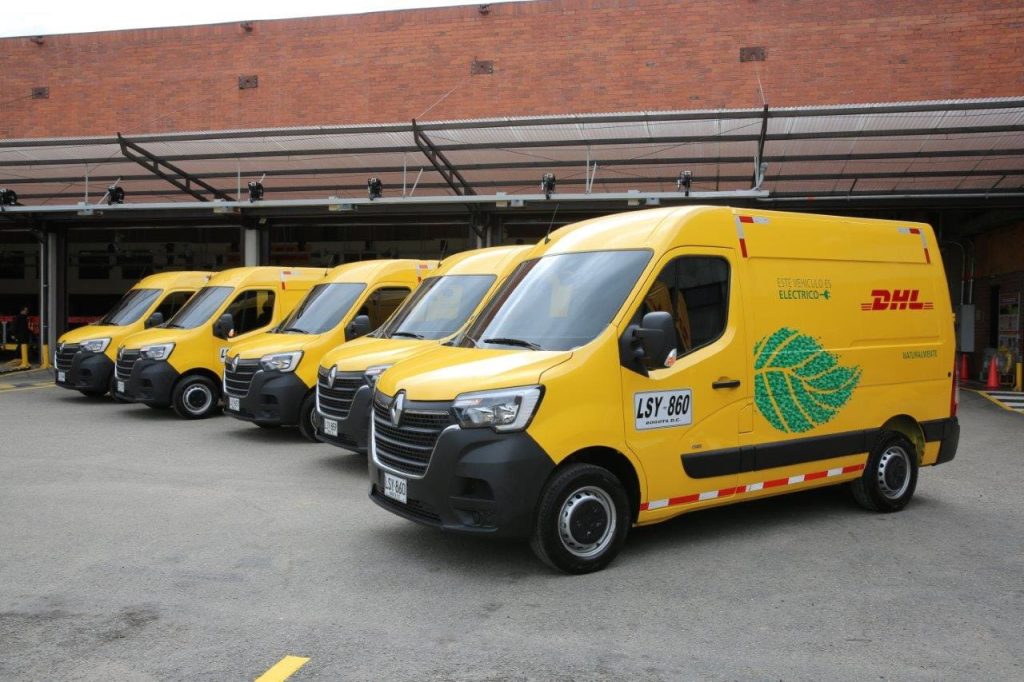
DHL Express Brazil operates more than 140 electric vehicles in Brazil, and its goal is for 35% of its total fleet to be electric by 2026, including bicycles, scooters, utility vehicles, vans, and trucks; while in June of this year, FedEx Brazil added 17 electric vans to its operations, reaching 53 zero-emission vehicles in the country.
Amazon Brazil doubled its delivery capacity with electric vehicles in 2025, in partnership with Brazilian company To Do Green, and that year it doubled its delivery capacity with electric vehicles in the country, reaching more than 180 cities in the states of São Paulo and Minas Gerais.
Finally, rental car company Unidas stated in March 2026 that it has a fleet of 700 electric vehicles.
Mexico: Large Fleets and Corporate Bets
Mexico, with 143,514 electrified vehicles and 2,046 public charging stations, is consolidating its position as the second most important market in the region. The country is witnessing some of the most ambitious corporate bets on delivery fleet electrification.
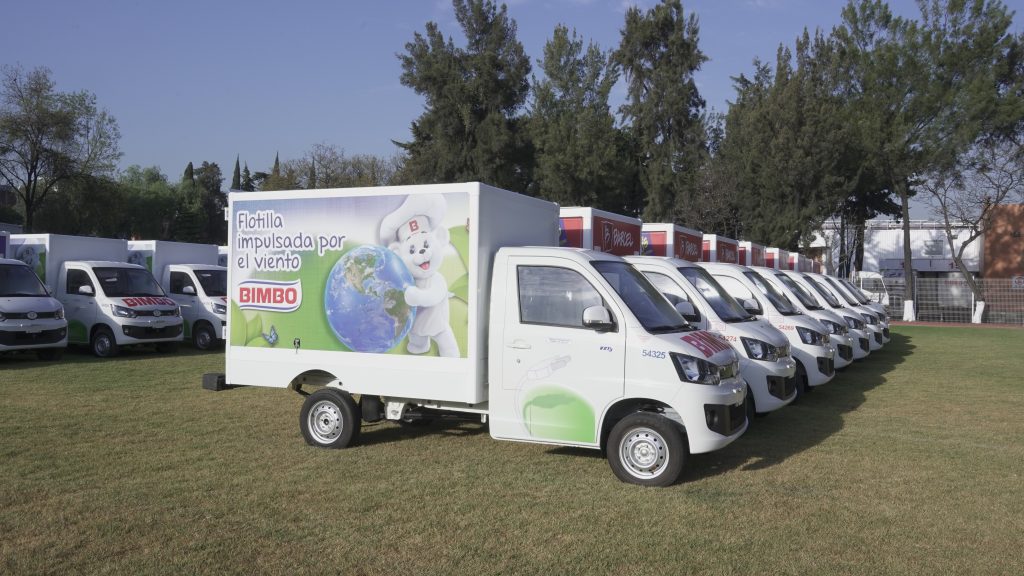
Grupo Bimbo currently operates the largest electric fleet in the region, with 4,200 units in circulation, including Vekstar Stellar vans, JAC e10x vehicles, Scania trucks, and BYD tractor-trailers, among others. The bakery company has been a pioneer in electrifying its distribution logistics globally and maintains its leadership in Mexico with a fleet that continues to grow.
Meanwhile, PepsiCo Mexico announced in May 2025 an investment of 2.3 billion pesos (approximately USD 117.8 million) to add 1,070 Ford E-Transit electric vans to its distribution fleet, which will reduce approximately 3,900 tons of CO₂ annually. The units will be rolled out in phases, operating from the Sabritas distribution center in Tlalpizáhuac, State of Mexico, as well as in the Valley of Mexico and Nuevo León.
Mercado Libre adds 150 electric vans to its fleet in Mexico, consolidating the largest sustainable fleet dedicated to e-commerce in the country. The company already had 548 electric vehicles in operation in the region, and these new units operate in nine Mexican cities.
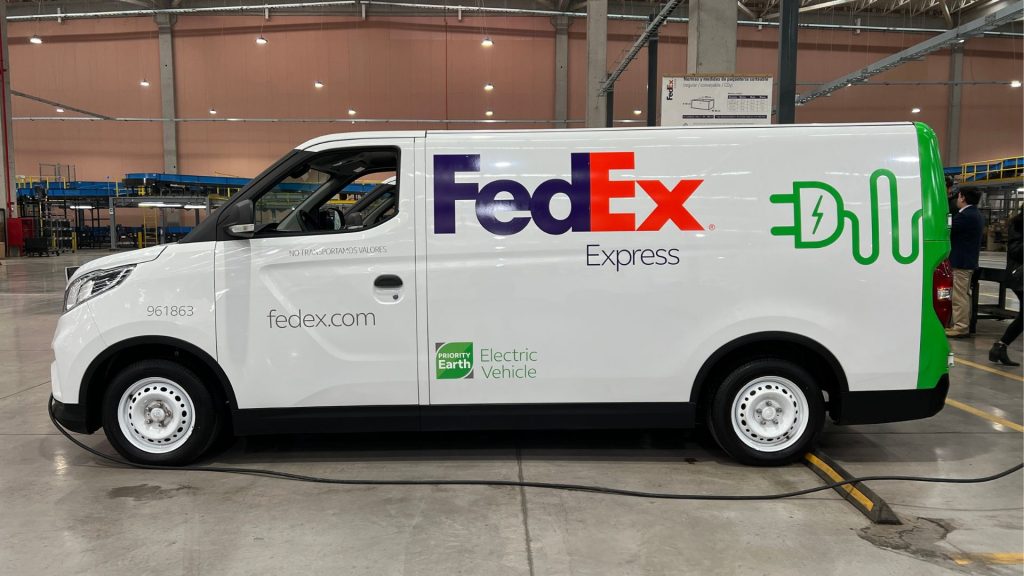
FedEx has added 72 electric vehicles to its fleet in Mexico, with Mercedes-Benz eSprinter and Ford units, as part of its global strategy to achieve zero emissions by 2040. The expansion is part of a strategic plan also being implemented throughout Latin America.
Other companies with an electric presence in Mexico include:
- Amazon launched an innovative last-mile plan using Rivian electric vans, optimizing routes and minimizing environmental impact.
- Carryt, a logistics startup with operations in Colombia and Mexico, makes last-mile deliveries with BYD electric vehicles.
- DHL Express Mexico added a fleet of electric vehicles (SPEC van-type trucks) with a range of up to 170 km and a payload capacity of two tons.
- Estafeta invested 42 million Mexican pesos in the acquisition of 35 electric vehicles.
Chile: Multiple Logistics Options
Chile stands out not only for its electrified vehicle fleet but also for being the country with the highest density of public chargers per electrified vehicle, with 8.04 chargers for every 100 units.
The country has 2,159 public charging stations, reflecting a favorable ecosystem for the adoption of electric commercial vehicles. Notable companies include:
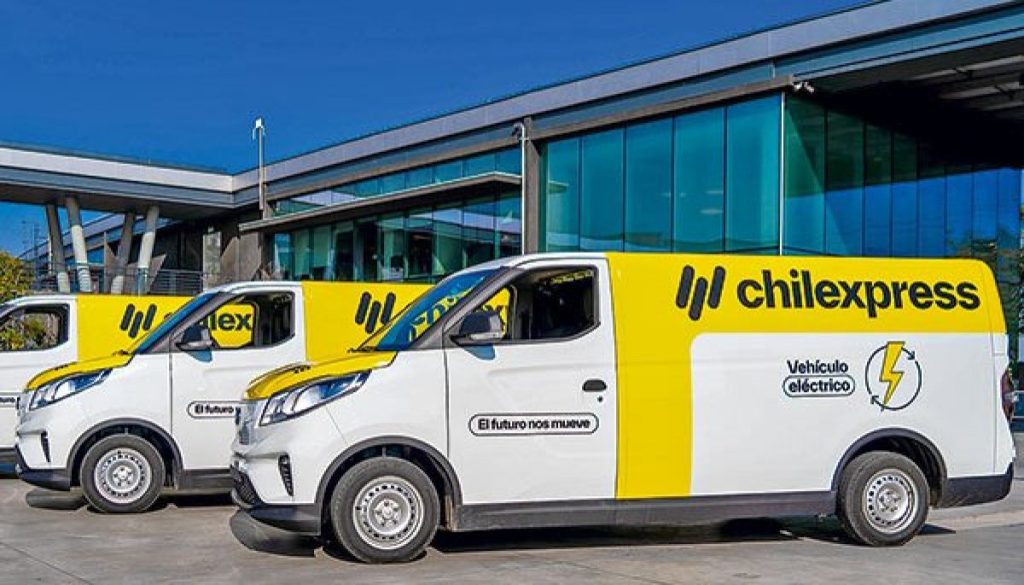
Chilexpress (courier and logistics company) announced in June of this year the addition of 140 units of the Maxus eDeliver 3 100% electric van, in an operation carried out in partnership with Grupo Kaufmann and Gama Mobility, representing an investment of USD 5 million. The units will operate in more than 10 cities across the country, and once the deployment is complete, they will represent approximately 25% of the company’s total fleet.
Mercado Libre has been one of the most active players in electrification; it has more than 150 electric vans; announced the addition of 100 additional units; and installed 30 charging points at its last-mile center in Renca, consolidating its infrastructure to support the operation of these vehicles. The company uses models such as the Maxus EV30 in Chile, as part of a regional strategy that also includes the Renault Kangoo Z.E. and the BYD T3 in other markets.
Logistics multinational DHL has a consolidated presence in Chile with its electric vehicle fleet. At the end of 2025, it operated more than 35 electric vans for last-mile deliveries in Santiago. Regionally, it projects having more than 1,000 electric vehicles in Latin America, and its operations in Chile are part of this decarbonization strategy.
FedEx began implementing its electric fleet in Chile in 2023, with eight Maxus eDeliver 3 vans, and nearly 50% of its last-mile fleet in the country is electric. In April 2026, it confirmed the integration of new electric vehicles into its operations in Chile, joining the deployments already carried out in Argentina, Brazil, Colombia, and Mexico.
Home improvement chain Easy implemented in 2026 the dispatch of orders from its e-commerce platform using zero-emission vans and pickup trucks. The vehicles are charged overnight, and each one avoids emitting approximately 4 tons of CO₂ per year compared to its combustion equivalent.
Automotive distributor Gildemeister added Chinese brand Farizon to its portfolio in 2026, specializing in clean-energy utility vehicles. The first models arriving in the country are the Farizon V6E, a van with 1,130 kg of payload capacity; and the Super Van Cargo, with 1,160 kg of capacity, with ranges of 319 or 398 kilometers depending on the version.
Other companies with different options include EVMOB, a firm specializing in operational leasing of 100% electric vehicles for fleets in Chile, which offers a comprehensive electrification service including fleet supply, charging infrastructure, and operational management. There is also Llegó.cl, providing last-mile logistics services with electric and reefer (refrigerated) fleets, offering versatility for all types of operations and cargo.
Colombia: Growth and New Opportunities
The Colombian market is undergoing a deep transformation in 2026 in the commercial fleet space. According to industry data, in the first four months of the year, 6,069 new cargo vehicles were registered, representing 86.3% growth compared to the same period the previous year.
The segment of trucks from 0 to 10.5 tons led this growth with a 139.1% increase and 3,326 units sold. In this context, the electrification of delivery and logistics fleets is advancing steadily, with dozens of companies across all sectors incorporating electric vans and trucks into their daily operations. Let’s take a look:
Grupo Bimbo Colombia has consolidated the largest private electric delivery vehicle fleet reported in the country, with 100 electric utility vehicles for distribution in Bogotá, Medellín, Cali, and Barranquilla. This deployment is part of Grupo Bimbo’s global strategy, which operates more than 4,200 electric units across the region.
PepsiCo Colombia added 54 BYD T4K light trucks in 2025 for urban distribution, as part of its decarbonization strategy. In 2024, it also began operating a Scania electric semi-trailer truck on the Funza Tenjo route, considered a milestone in the country. The multinational has been one of the pioneers in adopting electric vehicles for logistics in the Colombian market.
BYD confirmed that 2026 will be the year of its largest operation of electric buses and trucks assembled in Colombia. The company projects assembling 215 electric buses, with estimated revenues of USD 65 million. In addition to the buses, it estimates more than 200 additional units in operation, primarily in Bogotá and Cali, with expansion toward Medellín and Pereira.
Coca-Cola FEMSA Colombia deployed 22 electric cargo vehicles (trucks and vans) for distribution in Bogotá in September 2023; it indicated that operations are expected to expand to other regional capitals and stated its goal of having 34% of its fleet electric by 2030.
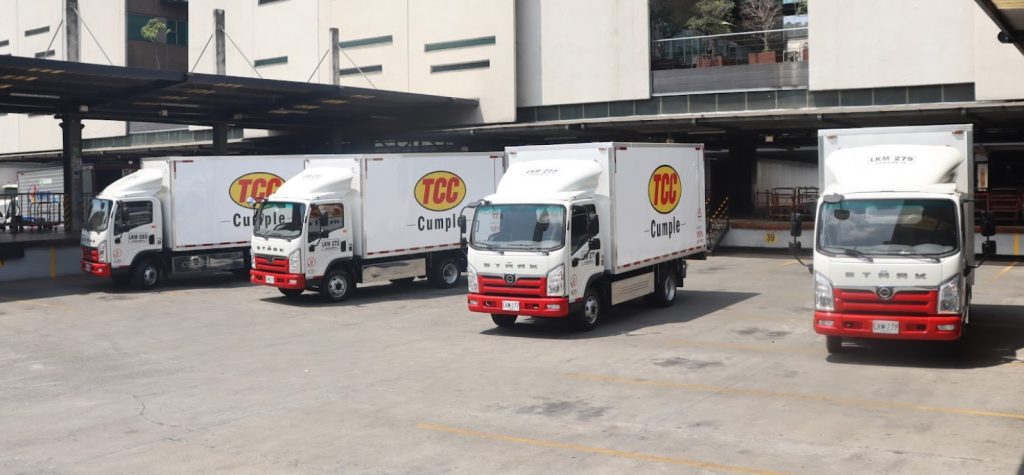
TCC, a logistics and courier company, made a leap in January 2025 with 20 Foton FKR 3.4 EV medium-duty trucks, deployed in Bogotá, Medellín, Barranquilla, and Cartagena, destined for urban parcel delivery, establishing itself as one of the most concrete cases of transition toward sustainable fleets in the logistics sector.
Meanwhile, Grupo Nutresa and its logistics operator Opperar are leaders in refrigerated electric logistics in Colombia: they operate 12 fully electric trucks equipped with electric refrigeration systems (Thermo King), implemented through Renting Colombia since 2023.
At the end of 2025, FedEx announced the arrival of the first electric vehicles to its operations in Colombia, consisting of Ford E-Transit vans, with an estimated range of 300 kilometers per full charge. In Medellín, FedEx aims to reach 100% electromobility for its main collection and delivery fleet by the end of the year. The fleet is equipped with a pre-collision assistant and 360° camera, and enables up to a 40% reduction in operating costs.
Finally, Carryt, a logistics startup with a presence in Colombia and Mexico, makes last-mile deliveries with BYD electric vehicles and has a network of drivers and clients operating with electric fleets for urban distribution, while Farizon Colombia, the electric commercial vehicle brand of the Geely Group, made the first delivery of a fleet of 15 electric units in the country in February of this year.
Range, Charging, and Cost: The Three Keys to Success
Range anxiety, which for years was the main barrier to the adoption of commercial electric vehicles, has been left behind in 2026.
The most in-demand models for fleets in the region—Ford E-Transit, Mercedes-Benz eSprinter, Renault Kangoo E-Tech, Maxus eDeliver 3, and Iveco eDaily—are certified for between 300 and 380 kilometers under the WLTP (World Harmonized Light-duty Test Procedure) urban cycle. In a real delivery cycle with starts and stops, this translates to a full day of 180 to 220 effective kilometers without the need for intermediate recharging.
Payload capacity is another pillar that has driven the adoption of electric vans in Latin America, and the available offering in 2026 covers a wide spectrum of logistics needs, with maximum payloads ranging from 800 to 1,200 kilograms depending on the version.
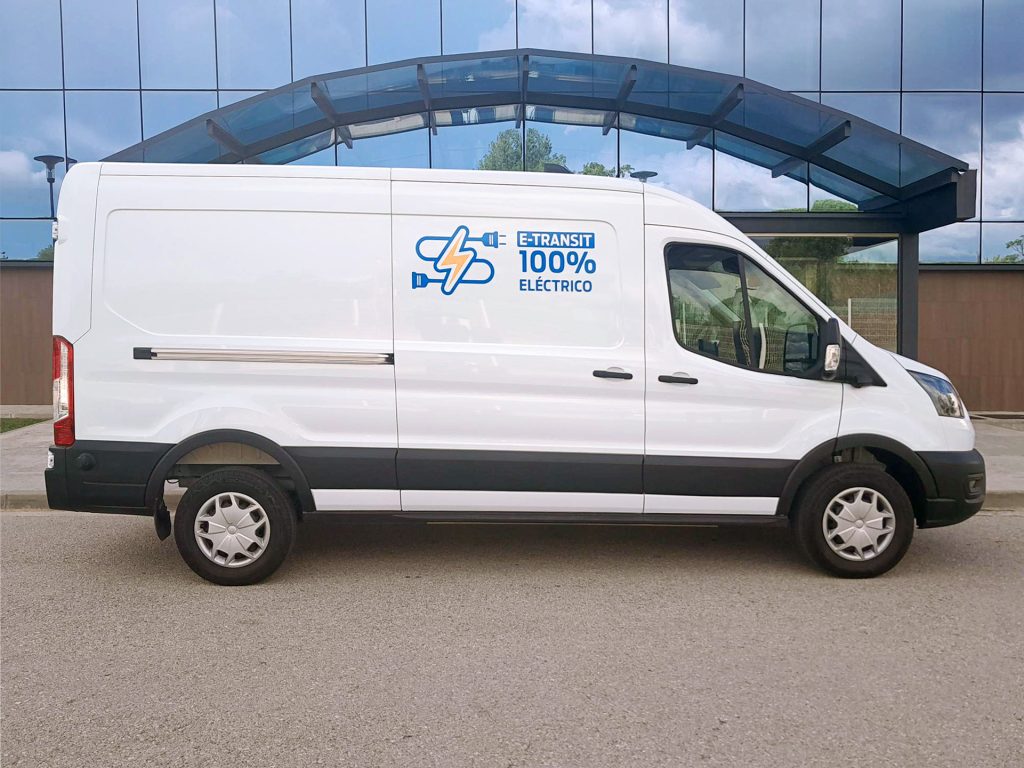
Cost per kilometer is the determining factor tipping the scales toward electrification. An equivalent diesel van consumes between 8 and 9 liters per 100 kilometers, which, with current fuel prices in the region, represents a much higher expense.
The difference is even more pronounced in total operating cost: electric vans have a cost per kilometer between 40% and 50% lower than diesel in intensive use. In addition, maintenance costs are significantly lower than combustion vehicles, as they have fewer moving parts and eliminate the need for oil changes, filters, and exhaust systems.
Although the purchase price of an electric van remains higher than its diesel equivalent, the lower operating cost allows this difference to be recouped within a few years, especially in fleets with high daily mileage.
Added to this are tax incentives, exemption from pollution-based restrictions, and preferential access to low-emission zones, which are beginning to be implemented in many Latin American cities.
For all these reasons, 2026 confirms that electric vans are not a passing fad, but rather a structural solution to the mobility and sustainability challenges facing Latin American cities. The combination of sufficient range, competitive payload capacity, and much lower operating costs is transforming the urban delivery sector.
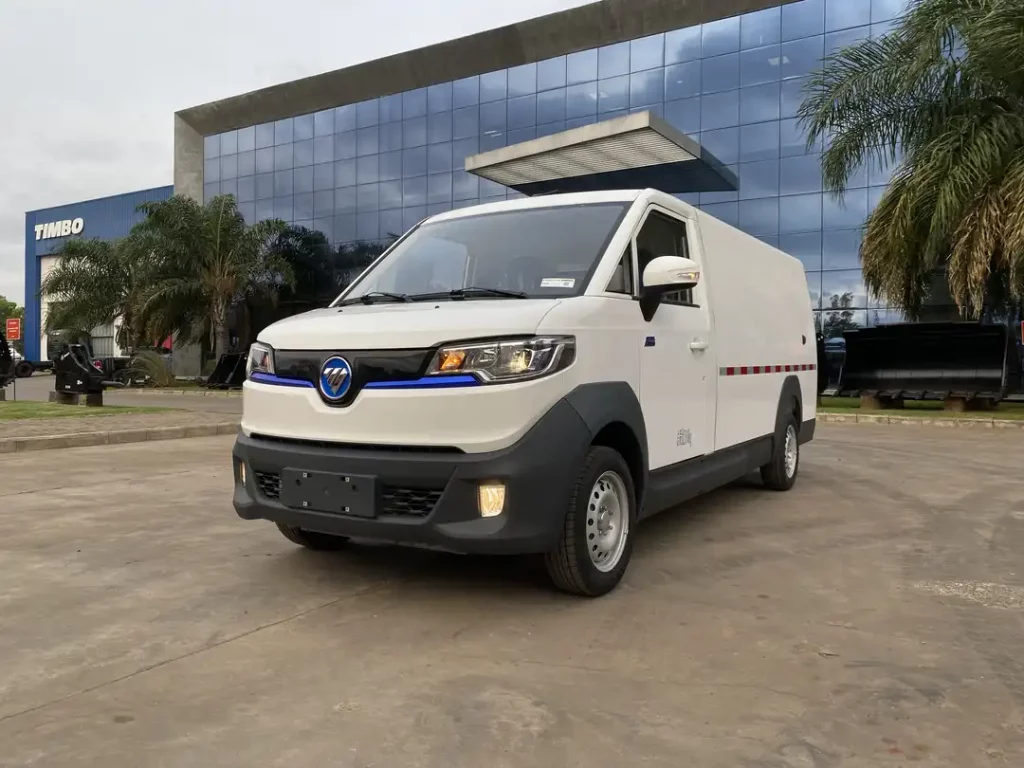
The Ideal Space for Fleets in Latin America
The Latam Mobility 2026 Tour will arrive in Santiago, Chile, on August 25, bringing together experts and strategic players to further strengthen the sustainable mobility ecosystem in the region.
The tour will end in Mexico City on October 12 and 13, alongside the Climate Economy Forum, in a meeting that will bring together sector leaders to continue driving the transition toward more efficient, sustainable, low‑emission transportation systems in Latin America.
The transition is already underway. The Latam Mobility 2026 Tour will be the meeting point to accelerate decisions, connect key players, and collaboratively build sustainable mobility in Latin America.