



The Chilean automotive market is going through an unprecedented shift. According to the National Automotive Association of Chile (ANAC), between January and May 2026, 4,168 new 100% electric vehicles were sold—a 96.8% surge compared to the same stretch last year.
The growth is even steeper in other electrified categories. Plug-in hybrids moved 2,955 units, while extended-range electric vehicles hit 679 units. Together, those two segments posted a combined 327.5% increase during the period, underscoring a rapid pivot in Chilean consumer preferences.
That uptick ties directly to rising fuel costs, driven by the Middle East conflict, which has pushed more buyers to consider electric alternatives.
You May Also Be Interested In | Chile Inaugurates the Largest Battery Storage Plant on the Continent
Tesla Leads the Market, Followed by Volvo and BYD
Ignacio Rivas of the Center for Sustainable Mobility explained that EV sales jumped from 4% to 10% of total light-vehicle sales in April 2026—meaning one out of every ten cars sold that month was electric.
That leap builds on an already steady growth base. Before 2024, EVs represented less than 1% of sales in Chile. That year, the Energy Efficiency Law for light vehicles took effect—a pioneering regional regulation that forces manufacturers and importers to gradually fold more efficient models into their lineups. As a result, the number of available 100% EV models went from roughly 40 to about 150 in the domestic market, and that figure tops 200 if you include plug-in hybrids.
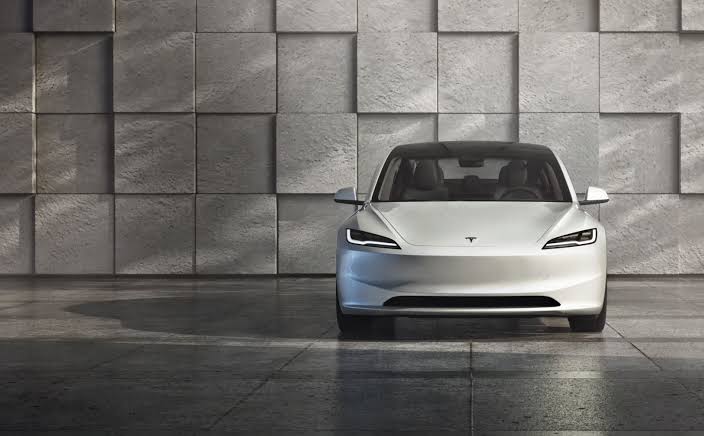
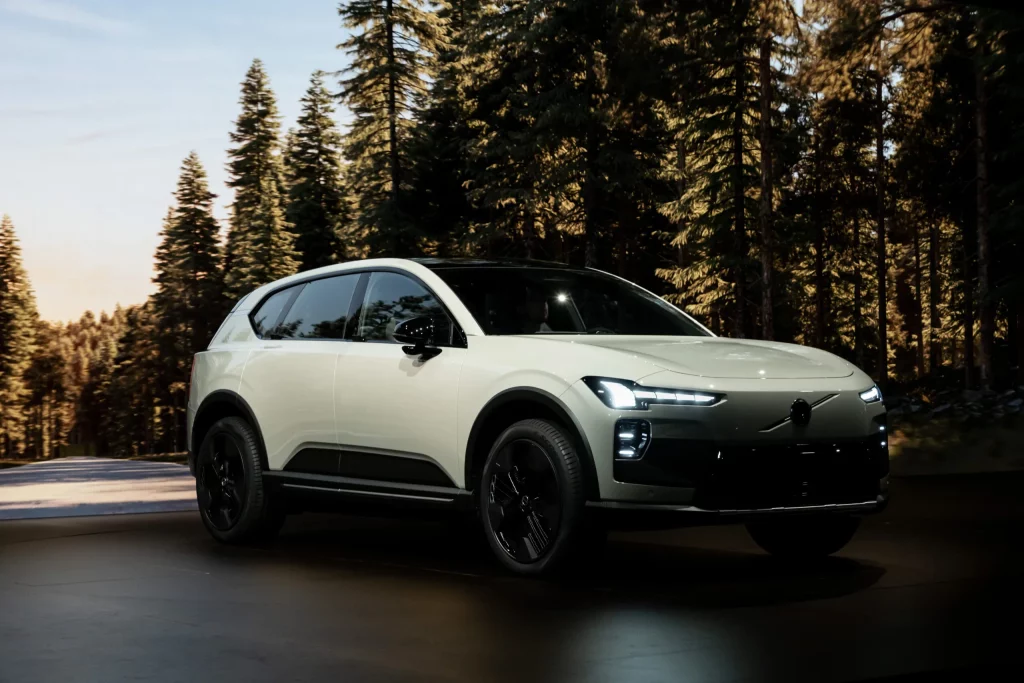
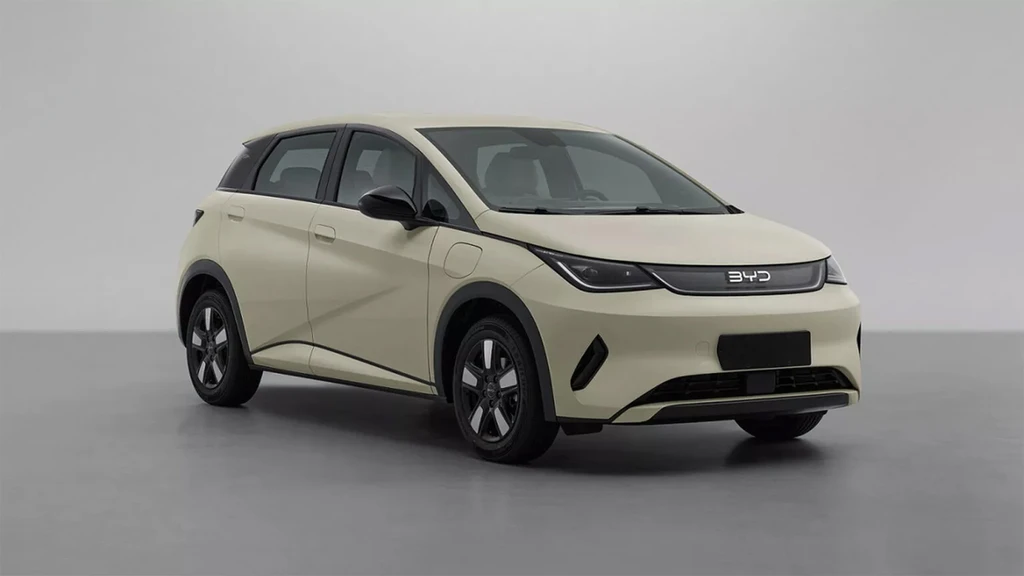
In the pure-EV segment, Tesla is the undisputed leader in Chile, with a 27.1% share and 1,128 units sold so far in 2026. It’s followed by Volvo at 8.4% (350 units) and BYD at 8.3% (345 units). Rounding out the top sellers are Maxus (8%), Chevrolet (5.3%), Renault (5.3%), and Geely (5%), among others.
ANAC stressed, however, that Chile remains “in an early adoption phase” for plug-in mobility. While the percentage growth is impressive, cumulative plug-in penetration sits at just 6.1% —still far from the levels needed for true mass adoption. The trade group warns that hitting the 20% penetration target by 2030 would require quadrupling current plug-in sales volume.
Charging Infrastructure Can’t Keep Up
The booming demand stands in sharp contrast to the sluggish rollout of charging infrastructure. Ignacio Rivas of the Center for Sustainable Mobility noted in a recent interview: “Chile is selling more EVs by the day, but the charging infrastructure just isn’t arriving on time.”
Rivas explained that while buying an EV takes days or weeks, installing a single public charging point can take months or even years—creating a gap the industry hasn’t yet closed. Right now, roughly 60% of the country’s municipalities have zero public charging points—a shortfall that hits remote areas especially hard, where low demand makes private investment a tough sell.
The Center for Sustainable Mobility proposes that those territories need direct state funding, following the model used in northern Norway, where the government covered 100% of installation costs to guarantee coverage.
Charging in condominiums also runs into regulatory red tape. The Condominium Law requires a majority of ownership rights in a community to approve any modifications to common spaces for charger installation. In a 100-unit building, that means at least 51 votes in favor—a quorum that’s tough to round up in practice.
The Center for Sustainable Mobility is pushing for a legal tweak to exempt minor installations from that requirement, and wants new buildings to include electrical conduits from the get-go, following standards already in place in California, the EU, and the UK. According to the group, that kind of forward planning adds less than 1% to a project’s total cost.
The Government Updates Strategy
To tackle these challenges, Chile’s Ministry of Energy unveiled the updated National Electromobility Strategy 2030 on June 9—continuing a state policy first launched in 2017 to steer the country’s transport system toward cleaner, more efficient, and more competitive ground.
The new roadmap sets an interim goal of 20% zero-emission light- and medium-vehicle sales by 2030 , as a stepping stone to the ultimate target of 100% by 2035. The strategy is built around five core pillars:
- Charging infrastructure is treated as a critical enabler, with measures to expand coverage at residential, urban, and strategic route levels.
- New segments are being brought in, including heavy freight transport (both urban and intercity), where incentives, pilot programs, and regulatory tweaks will speed up electrification.
- The scope now expands to maritime, river, and lake transport , promoting electric solutions on short-haul routes and in specific regional contexts.
- A circular economy pillar focuses on battery reuse and second-life applications, along with new markets for battery management—with an emphasis on traceability, safety, and storage-system integration.
- Institutional coordination gets a boost through new governance, monitoring, and collaboration bodies that bring public and private players together.
With this update, Chile doubles down on its electric mobility push and sets a fresh benchmark for the transport transition, aiming for one in five light and medium vehicles sold in the country to be zero-emission before the decade is out.
Savings of Up to 90% and New Rates Under Study
On the cost side, Ignacio Rivas detailed that charging an EV at home delivers savings of 70% to 80% compared to a gas-powered vehicle. The Center for Sustainable Mobility, together with the Institute for Complex Systems Engineering (ISCI) , is currently studying new electricity tariff structures that could make going electric even more attractive for Chilean households.
Chile already boasts one of the largest electric bus fleets in the world outside China. Now the challenge is bringing that success to private passenger vehicles. With the updated government strategy, strong market leadership from brands like Tesla , Volvo , and BYD , and ongoing research from centers like the Center for Sustainable Mobility , the outlook is full of promise—provided charging infrastructure can finally catch up to surging consumer demand.
A Year 2026 of Consolidation for Mobility
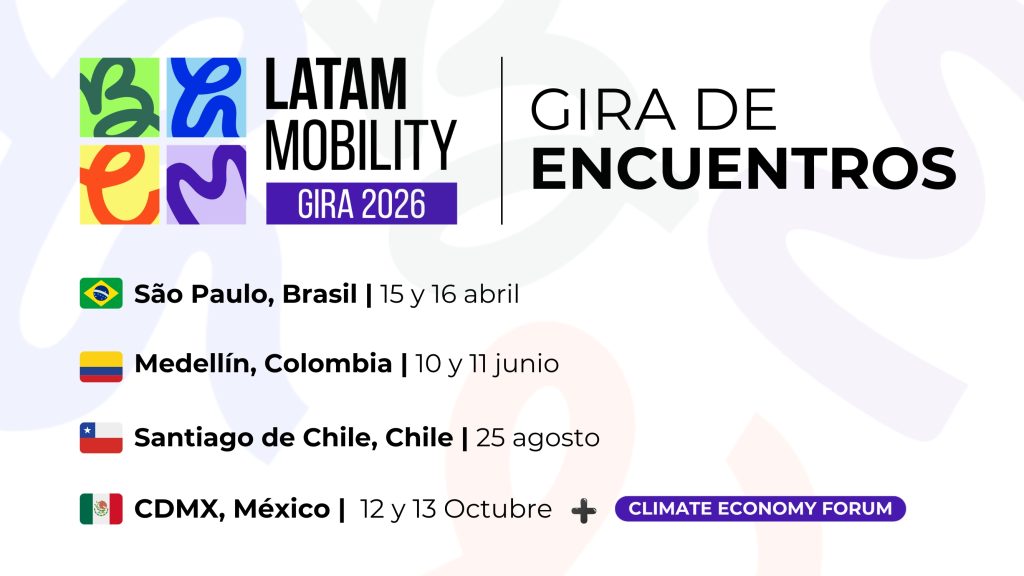
The Latam Mobility 2026 Tour will arrive in Santiago, Chile, on August 25, bringing together experts and strategic players to further strengthen the sustainable mobility ecosystem in the region.
The tour will end in Mexico City on October 12 and 13, alongside the Climate Economy Forum, in a meeting that will bring together sector leaders to continue driving the transition toward more efficient, sustainable, low‑emission transportation systems in Latin America.
The transition is already underway. The Latam Mobility 2026 Tour will be the meeting point to accelerate decisions, connect key players, and collaboratively build sustainable mobility in Latin America.