



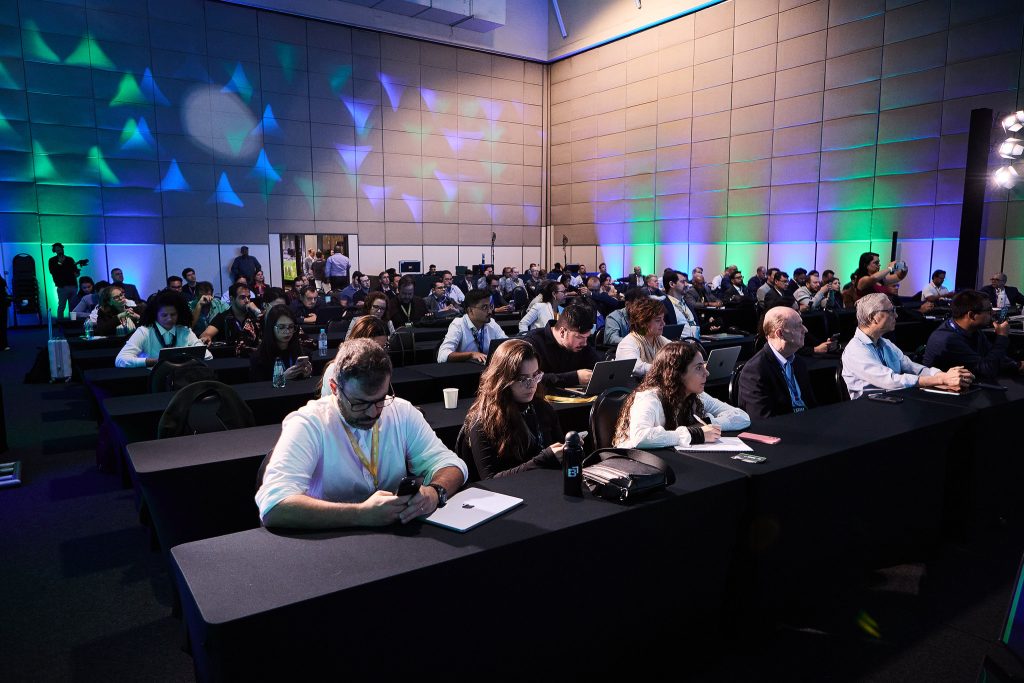
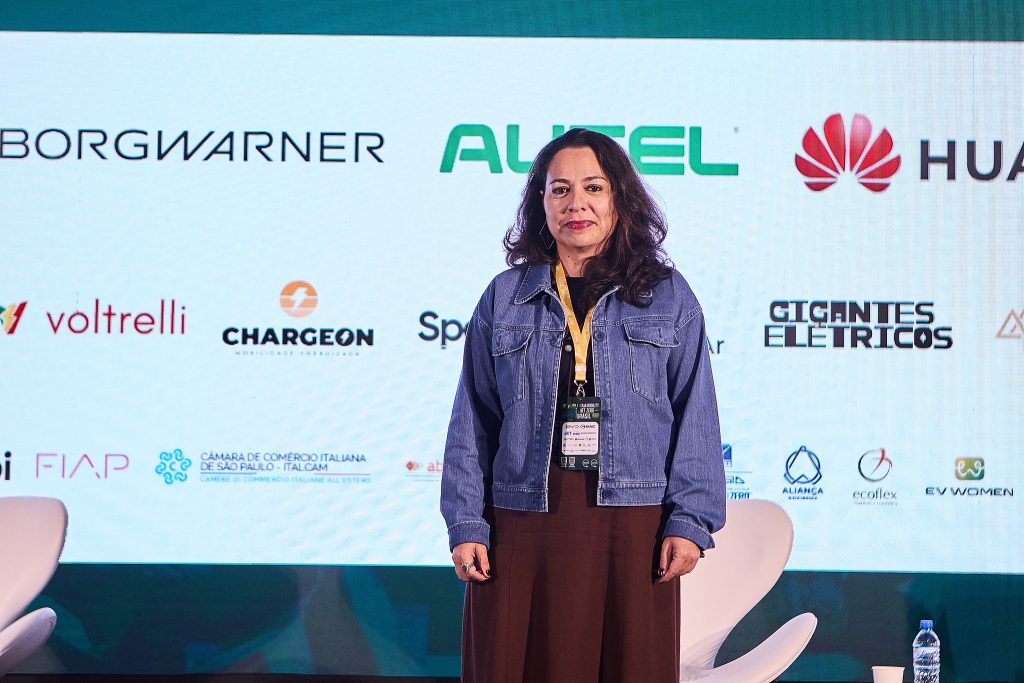
During the second day of “Latam Mobility & Net Zero Brasil 2026,” Patrícia Ferrini Rodrigues, international project consultant at Instituto AR, gave a keynote address titled “Zero-emission trucks in Brazil: health, economy, and the future of heavy transport.”
During her presentation, the expert presented compelling data on the impact of air pollution generated by trucks in the country and advocated for electrifying the heavy freight sector as the most viable path from a health, economic, and environmental perspective.
The presentation is part of the “Caminhos para o futuro” (Paths to the Future) program, an initiative focused on the future of clean transportation and sector decarbonization in Brazil, whose structuring has the support of Patrícia Ferrini Rodrigues.
In this context, the speaker detailed one of the program’s core projects: the decarbonization of heavy freight transport in Brazil.
You may also be interested in | JET, the São Paulo Innovation Secretariat, and UITP debate the use of data and connectivity for smart cities
A Silent Pandemic that Kills Every Year
Patrícia Ferrini Rodrigues began her intervention with a chilling comparison: exposure to air pollution kills between 7 and 8 million people globally per year, a figure equivalent to the total number of COVID-19 deaths during the entire pandemic. “That happens every year,” she stressed.
This problem is now the third leading cause of global mortality from non-communicable diseases, according to data presented by the specialist.
In this regard, the transport sector contributes approximately 30% of greenhouse gas and air pollutant emissions.
And within that universe, heavy freight transport is the main source of air pollutant emissions, despite representing only 5% of the vehicle fleet. “It emits about 80% of air pollutants,” warned the Instituto AR executive.
Brazil’s Structural Challenges
The Instituto AR specialist detailed the specific obstacles Brazil faces in this matter. The Brazilian truck fleet is one of the oldest in the world, with an average age of 20 years, and vehicles over 30 years old are still circulating on the roads.
Added to this are precarious road conditions and legislation that allows vehicles to carry more weight than is permitted in other global markets such as Europe or the United States.
These degraded conditions mean that even if cleaner fuels were used, the fleet emits more pollutants than allowed by mechanical and fuel standards.
“We are fueling a fleet that operates under degraded conditions,” emphasized Patrícia Ferrini Rodrigues.
Unequal Impact
The speaker focused on Brazil‘s road transport corridors—the routes where trucks travel—and the communities surrounding them. The population most affected by pollution includes residents on the outskirts of large cities, urban and suburban settlements along highways, riverside communities, and indigenous peoples.
“Emissions coming from trucks impact the population differently, and that impact is concentrated on the most vulnerable population,” argued the Instituto AR representative.
As an example, she mentioned that nitrogen oxide, a highly toxic gas associated with infant mortality from respiratory diseases and asthma, is emitted in greater quantity by biodiesel from plants than by fossil diesel. “Children living near the routes are subjected to frequent asthma episodes,” she warned.
According to an Instituto AR study based on data from DataSUS of the Ministry of Health, between 2013 and 2023, Brazil spent 25 million reais on treating diseases associated with air pollution, such as cardiovascular conditions, cerebrovascular diseases, diabetes, and lung cancer. This figure does not include expenses from the supplementary health system, only the public one.
“The social damage resulting from this exposure is very large,” stated Patrícia Ferrini Rodrigues, who stressed the need to incorporate health costs into any discussion about fuels for heavy transport.
A Health and Food Security Problem
While from a decarbonization standpoint, biofuels such as soybean biodiesel may seem attractive, the specialist warned about their harmful effects on air quality.
“Biodiesel from plants emits more nitrogen oxide than fossil diesel,” she explained. This makes it a more polluting option for people’s health, especially for children living near roads.
Furthermore, Patrícia Ferrini Rodrigues revealed a key fact: supplying Brazil’s entire truck fleet exclusively with biodiesel would require planting soybeans on 25% of the country’s territory.
Considering that 70% of current biodiesel comes from soybeans, and climate change reduces arable land, this alternative comes into direct conflict with the food security of Brazil and the world, given that the country is a major food exporter.
Given this scenario, the Instituto AR study, recognized by UN Environment as a key publication in the sector, estimates that electrifying heavy vehicles only in the state of São Paulo could generate potential savings of 5 billion reais by 2050 in health and environmental expenses. Moreover, full decarbonization of that fleet would achieve a 46% reduction compared to using fossil diesel.
“Electrification has proven to be one of the most viable paths from the perspective of air quality, economic benefits, and health,” concluded Patrícia Ferrini Rodrigues.
The specialist recalled that Brazil has made commitments under the Paris Agreement and to transport decarbonization. In that framework, she urged public, private, and civil society actors to prioritize heavy transport as one of the sectors that deserves greater attention on the national climate agenda.
A Year of Consolidation for Mobility
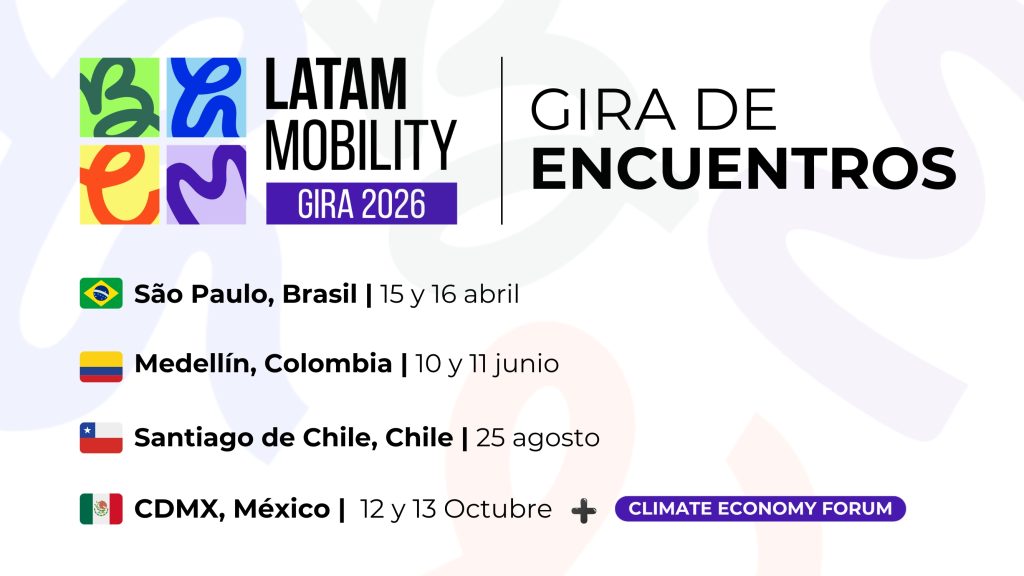
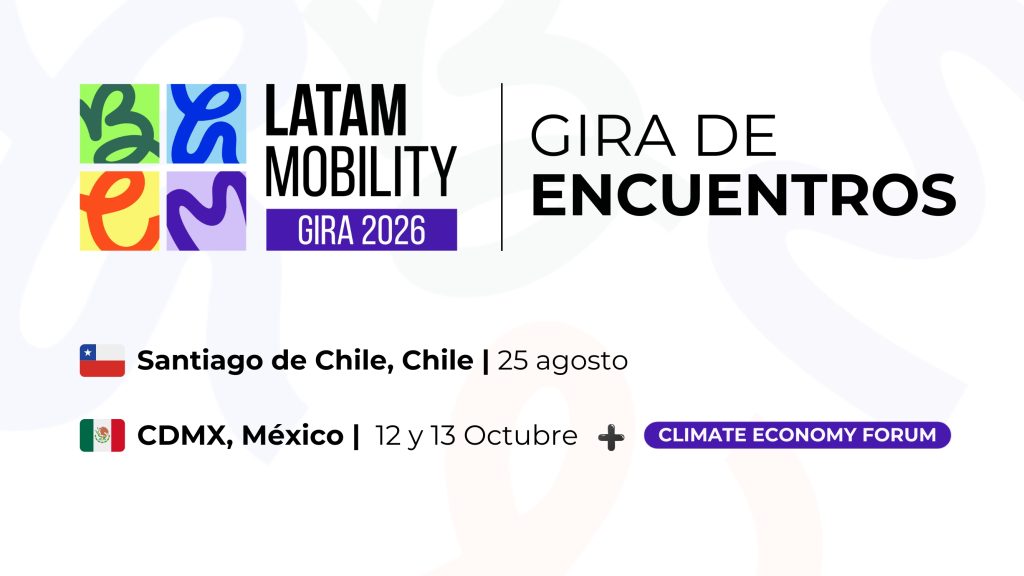
The Latam Mobility 2026 Tour continues its journey in Medellín, Colombia, on June 10–11, and will later arrive in Santiago, Chile, on August 25, bringing together experts and strategic players to further strengthen the sustainable mobility ecosystem in the region.
The tour will conclude in Mexico City on October 12–13, alongside the Climate Economy Forum, in an event that will bring together leading figures from the sector to continue driving the transition toward more efficient, sustainable, and low‑emission transportation systems in Latin America.
The transition is already underway. The Latam Mobility 2026 Tour will be the meeting point to accelerate decisions, connect key players, and collaboratively build sustainable mobility for Latin America.