


Within the framework of Earth Day, Chile became the setting for a decisive meeting on sustainable mobility in the region. The gathering brought together government officials, companies, and citizens, leaving a clear conclusion: moving toward cleaner, more efficient transportation is a joint effort. Public policies and their effective implementation are the fundamental pillar of this transition.
During the event, a position aligned with Chile’s new government was consolidated, aimed at driving the sector from a strategic, long-term perspective. Participants underscored that collaboration between public and private leaders is not an optional extra but a necessary condition to accelerate the energy transition in the country and throughout Latin America.
You may also be interested in | BYD, GAC, GWM, PARAR, and Stellantis: keys to regional production of sustainable vehicles in Brazil and Latin America
Leadership and Commitment of Key Players
The meeting stood out for the quality of its participants. Andrés García Giraldo contributed his vision and leadership to the conversation, emphasizing the urgency of articulating efforts across different sectors.
He was joined by representatives from top‑tier institutions and companies, including the University of the Americas, the Energy Sustainability Agency, the National Automotive Association of Chile (ANAC A.G.), Codexverde, Enerlink, E‑Auto Global, and the Seremi of Health of the Metropolitan Region, along with other key actors who actively participated throughout the day.
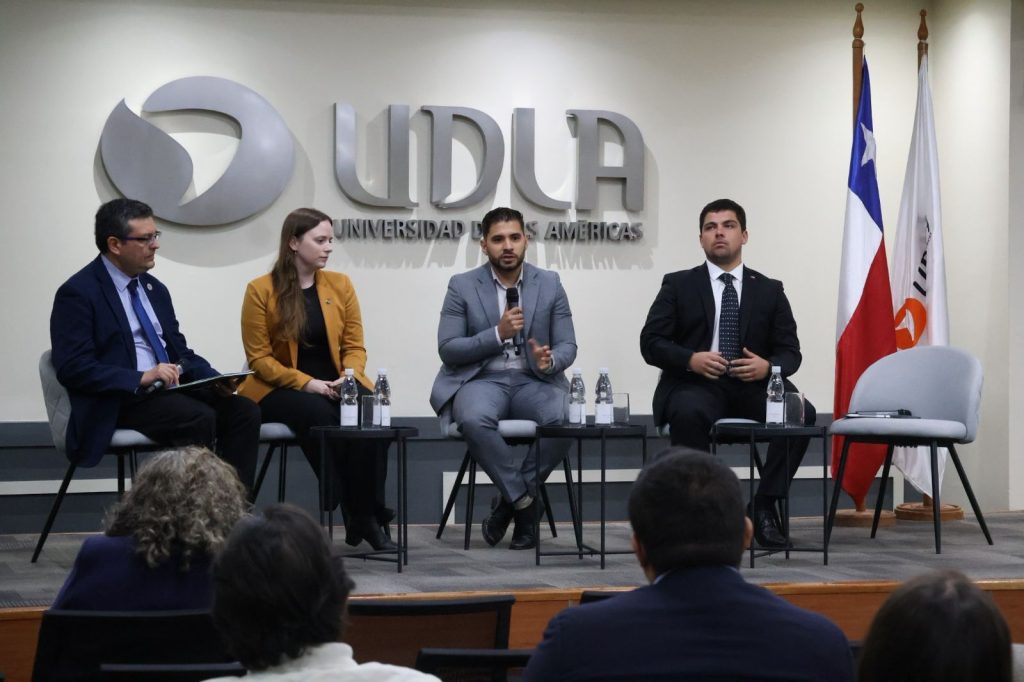
The gathering created a dynamic space for dialogue where practical experiences were shared, barriers were identified, and concrete roadmaps were outlined.
Among the main conclusions, the importance of generating dialogue that goes beyond technical issues and reaches citizens was highlighted. Sustainable mobility will not become a reality if it does not earn a place on the daily agenda of people, schools, and communities.
In this sense, the value of designing communication and training strategies that break down cultural barriers and democratize access to electromobility information was underscored.

From Theory to Action: Experiences to Transform
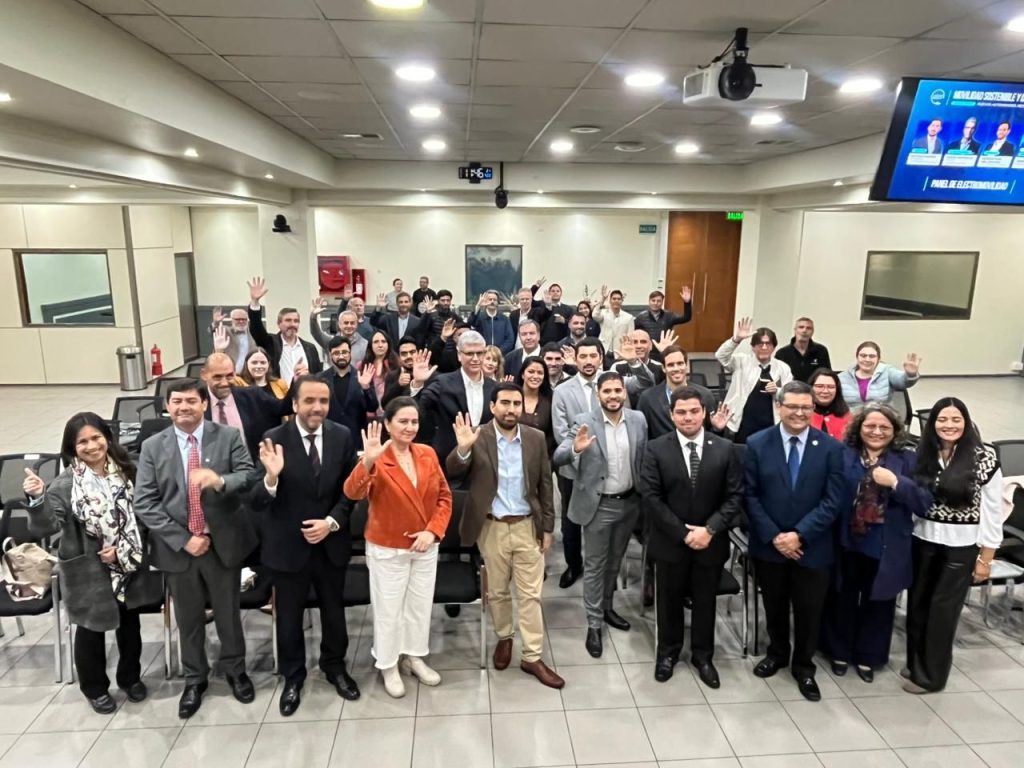
The day was not only an opportunity for strategic reflection but also for exchanging experiences and best practices. Through panels and dialogue spaces, sustainable mobility was brought closer to different audiences, fostering interaction between companies, educational institutions, trade associations, and citizens.
This synergy laid the groundwork for new alliances and demonstrated that the transition to cleaner mobility requires coordination, shared knowledge, and territorial commitment. Participants agreed that collaboration between the public and private sectors must be consistent, agile, and adaptable to the specific challenges of each territory.
Regions play a leading role in this transformation, and meetings like the one in Chile help connect actors, showcase projects, and accelerate the networking needed for technology to evolve in a bilateral and coordinated manner.
Next Step: Latam Mobility ConoSur 2026
This meeting, held within the framework of Earth Day, represented the starting point of an agenda that will be further deepened at the region’s next major milestone: Latam Mobility ConoSur 2026.
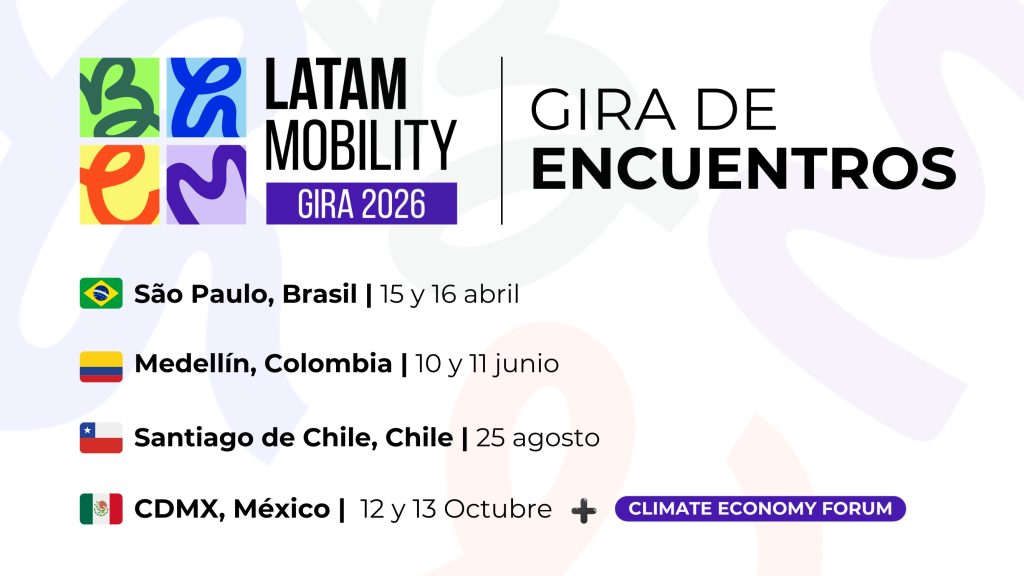
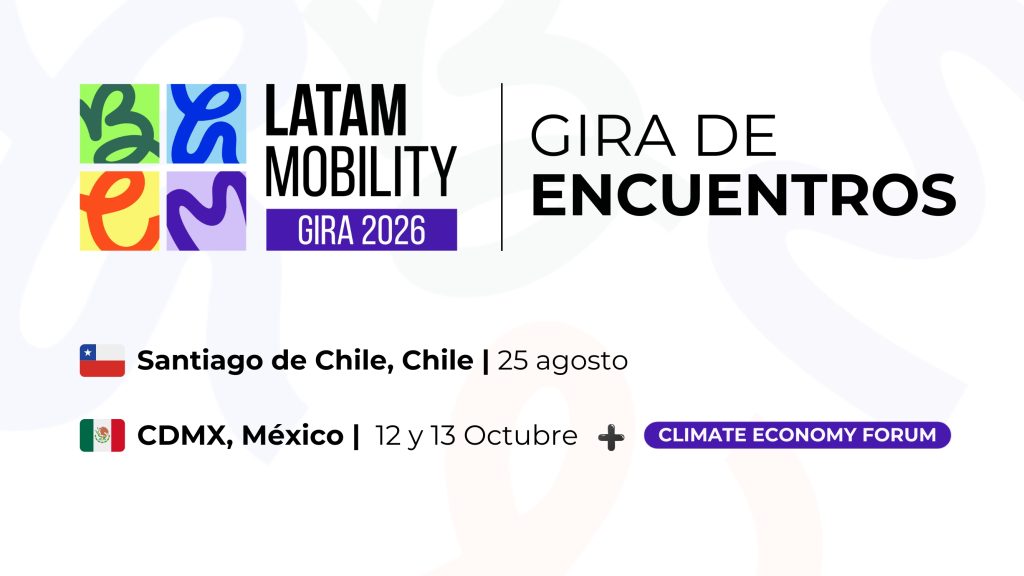
The event will take place on August 25, 2026, at the Hotel Intercontinental in Santiago, Chile, and promises to once again bring together the leaders who are shaping the future of sustainable mobility in Latin America.
The 2026 Tour will continue its journey through the region with stops in Medellín, Colombia (June 10 and 11) and Mexico City, Mexico (October 12 and 13), reaffirming the commitment to keep building, through collaboration and innovation, a mobility ecosystem that is fairer, more efficient, and more sustainable for all.