



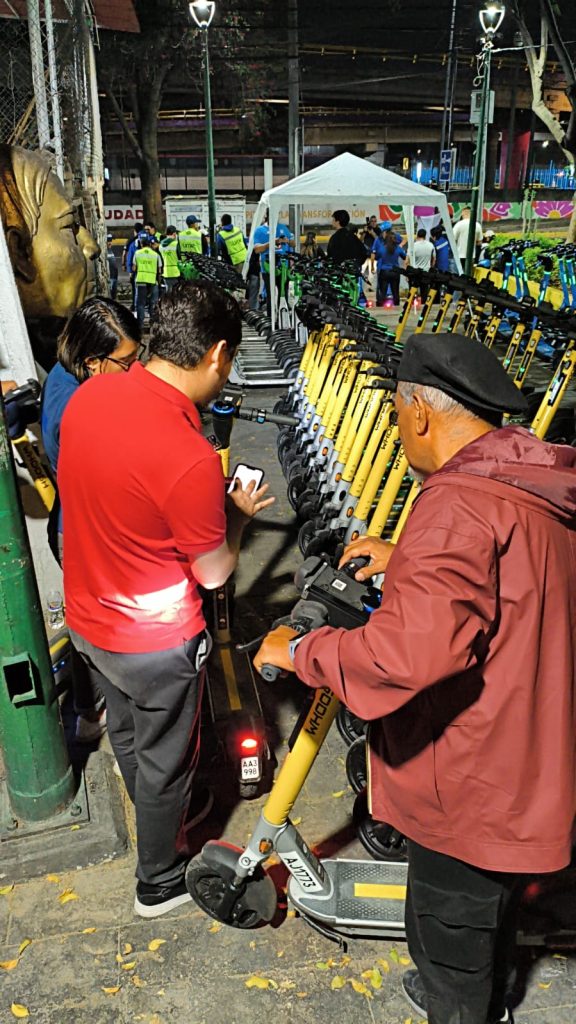
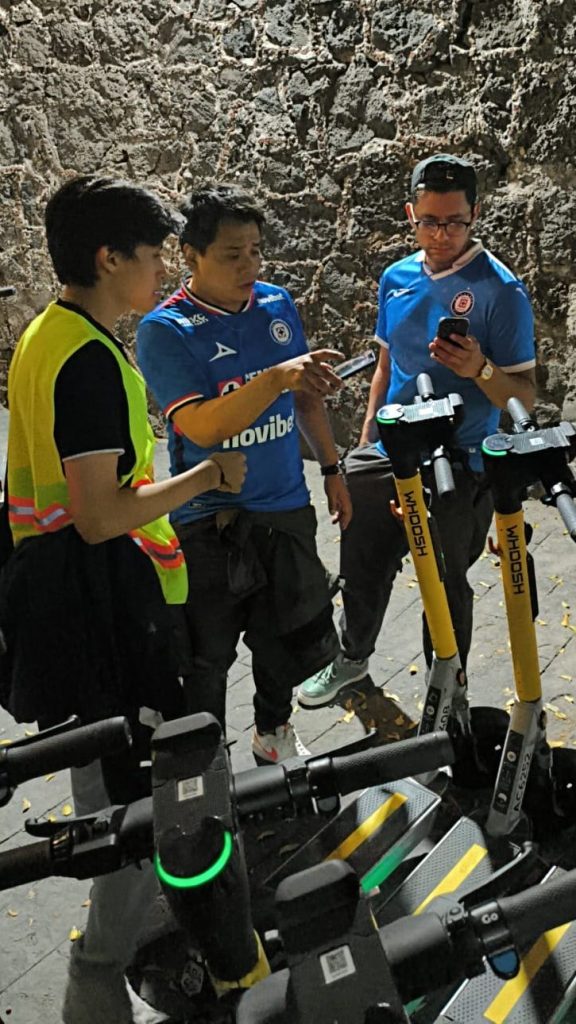
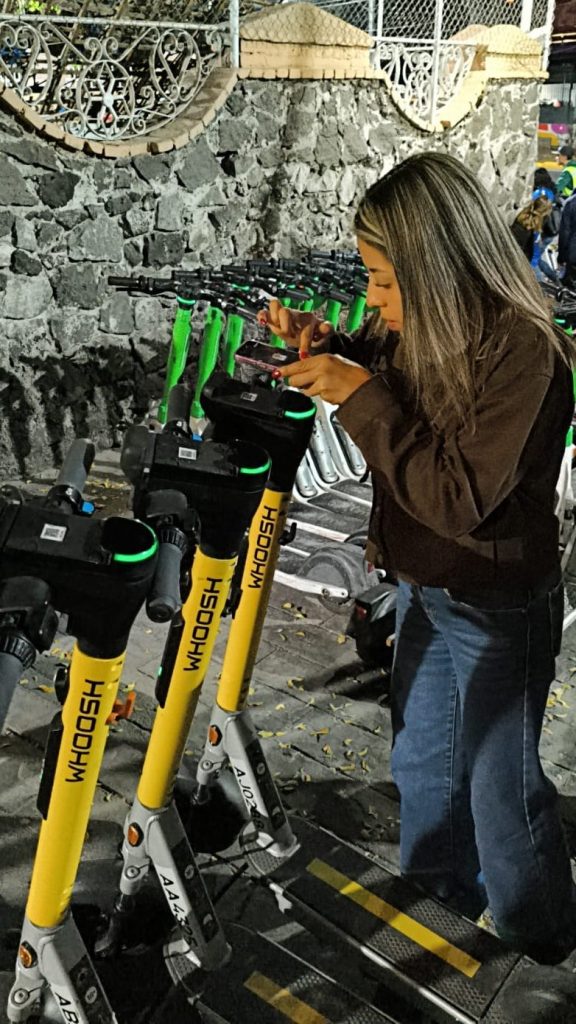
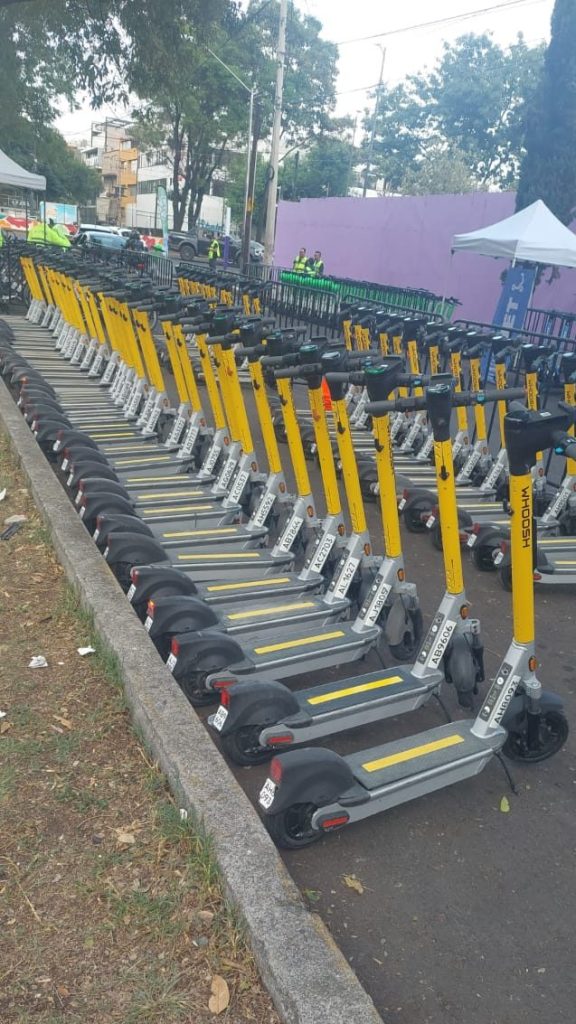
As part of preparations for the FIFA 2026 World Cup, Whoosh – a global micromobility company with a strong presence in Latin America – received positive results from a recent technical integration test carried out in a defined area of Mexico City.
The test ran for six hours on May 9, deployed 150 electric scooters, and recorded 134 trips. These results confirm that Mexico City has the operational and infrastructure readiness to adopt alternative transportation methods that complement the urban mobility system during the major sporting event.
Whoosh acknowledged the collaboration and leadership of the Ministry of Mobility (SEMOVI) and the Government of Mexico City for their open, forward‑looking approach in promoting this type of initiative – an approach that is essential for reducing car dependency and strengthening sustainable transportation options.
“We appreciate the leadership of the authorities. This push is essential to offer mobility alternatives that reduce car dependency. This trial is a firm step in our collaboration to ensure the city provides a world‑class mobility experience,” said Sebastien Declety.
You may also be interested in | Changan Invests in Brazil, Launches Models in Mexico, and Begins Testing Batteries With Over 1,500 km of Range
Preparations for Unprecedented Demand
The FIFA 2026 World Cup, which kicks off on June 11, 2026, at Mexico City Stadium (Banorte/Azteca Stadium), is expected to bring approximately 6 million visitors to Mexico during the tournament.
This massive influx of tourists represents an unprecedented challenge for the capital’s transportation and service infrastructure. In this context, data from the Whoosh pilot test reveals three key findings:
- Rapid scooter adoption – showing positive user response and a clear need for agile mobility options.
- Seamless connection – the service efficiently links tourists and residents with the mass transit network, making last‑mile connectivity a priority.
- Environmental benefits – integrating these vehicles contributes to a cleaner, less congested city, aligning with the current administration’s sustainability goals.
The Mexico City test follows Whoosh‘s recent entry into the national market, which began on April 16 of this year in the municipality of San Pedro Garza García, Nuevo León.
In that area, the company now operates a fleet of more than 1,080 electric scooters and recorded over 15,000 trips during the month of April alone – making it the first Mexican city to formally integrate this service on its roads.
Whoosh is the fourth company within its group to operate in Latin America, complementing its presence in Brazil, Chile, and Colombia. The company plans to expand its fleet of personal mobility devices in Latin America to approximately 30,000 units during 2026, with the goal that the Latin American segment will represent between 30% and 40% of the group’s revenue in the medium term.
Synergy With the Public Transportation System
The success of this trial reaffirms that collaboration between private enterprise and the public sector is the key to solving the challenges of one of the largest and most dynamic cities in the world.
Whoosh values the vision of the Government of Mexico City and SEMOVI in pursuing new mobility alternatives that can integrate with and complement established systems such as ECOBICI.
In fact, the capital’s public bike‑sharing system is currently expanding, aiming to grow its fleet from the current 9,300 bikes to 15,000 in 2026 and reach 20,000 by 2027 – all part of the mobility strategy leading up to the World Cup.
Additionally, Whoosh‘s entry into Mexico City comes at a time of regulatory evolution for the sector. SEMOVI established that starting July 1, 2026, high‑speed electric scooters and motorcycles (those exceeding 25 km/h) must have license plates and official registration – a regulatory framework designed to organize the circulation of these vehicles.
The pilot test conducted by Whoosh aligns with this process, demonstrating the feasibility of integrating shared micromobility systems that meet the highest safety and regulatory standards.
Whoosh reaffirms its commitment to continue working hand in hand with authorities and citizens to build a more connected, sustainable city – one fully prepared for major urban challenges and international events like the FIFA 2026 World Cup.
The Conversation Continues
Through its stops in Mexico City, Colombia, and Chile,Latam Mobility will continue to promote a collaborative approach to accelerate the transition to cleaner, more efficient, and more inclusive transportation systems, positioning Latin America as a relevant player in sustainable mobility at the global level.
Be part of the movement that is accelerating Latin America’s energy and urban transformation. If you would like to learn more about how to participate and positioning options, click here.